Choosing the right flooring can make your life dramatically easier or turn daily cleaning into a frustrating chore. After years of helping homeowners navigate flooring decisions, I’ve seen too many people get swayed by pretty samples without considering the daily reality of maintenance.
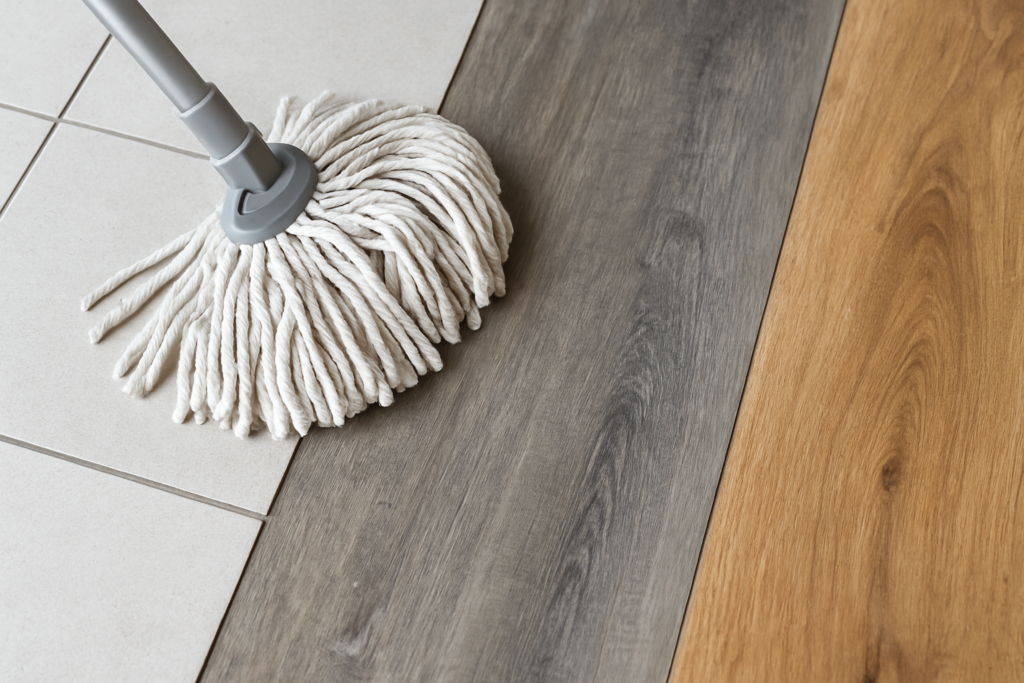
The three most popular options for easy-care flooring are tile, vinyl, and laminate. Each has distinct advantages, but they perform very differently when it comes to cleaning, durability, and long-term maintenance. Your choice will depend on your specific needs, budget, and tolerance for upkeep.
Let’s break down exactly how these flooring types stack up in real-world conditions, including the costs and installation factors that often surprise homeowners.
Tile Flooring: The Gold Standard for Easy Cleaning
Ceramic and porcelain tiles dominate the easy-cleaning category for good reason. These materials are completely waterproof, stain-resistant, and can handle virtually any cleaning product you throw at them.
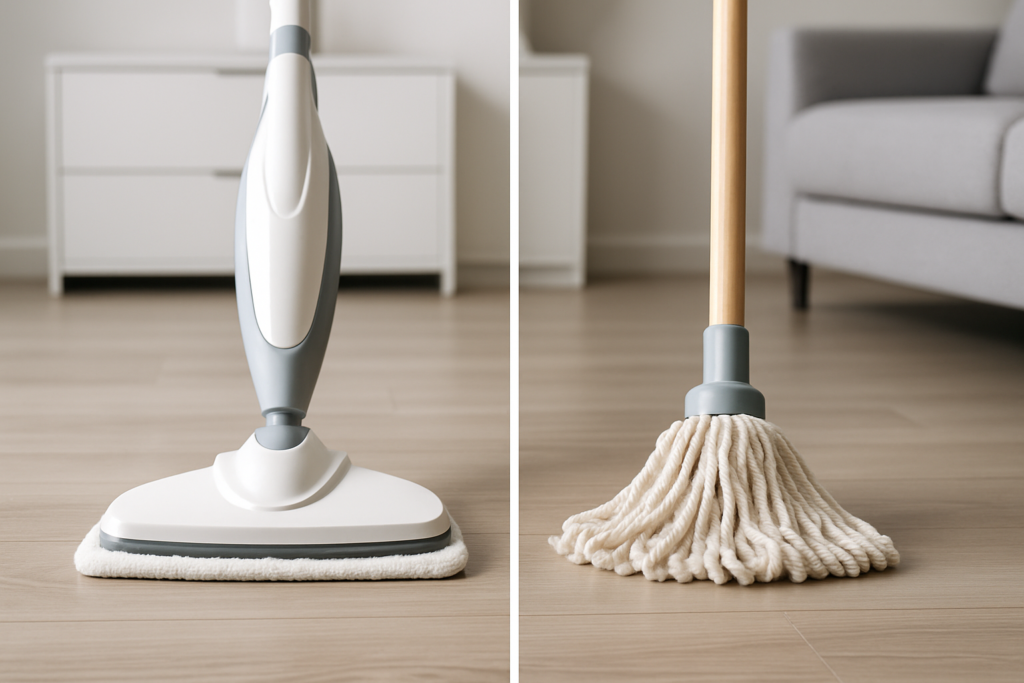
Daily maintenance involves simple sweeping or vacuuming to remove debris, followed by mopping with any standard floor cleaner. You can use bleach solutions, ammonia-based products, or even steam mops without worry. Spills simply sit on the surface until you wipe them up.
Grout: The Only Real Challenge
Grout lines present the main maintenance challenge with tile floors. Traditional cement-based grout absorbs stains and requires regular sealing every 1-2 years. Dark-colored grout hides dirt better than light colors, but epoxy grout eliminates most maintenance issues entirely.
For new installations, I recommend epoxy grout like Spectralock Pro Premium. It costs about 30% more than regular grout but never needs sealing and resists stains permanently.
Durability and Longevity
Quality porcelain tiles can last 50+ years with minimal wear. Brands like Daltile and American Olean offer excellent warranties and consistent quality. Expect to pay competitively priced-8 per square foot for good porcelain tiles, plus competitively priced-12 per square foot for professional installation.
Cracked tiles require professional replacement, which can be challenging if you don’t have extras from the original batch. Always buy 10-15% extra tiles and store them for future repairs.
Luxury Vinyl Plank (LVP): The Maintenance Winner
Modern luxury vinyl plank flooring offers the easiest daily maintenance of any flooring type. The wear layer on quality LVP completely repels water and most stains, requiring only basic sweeping and occasional damp mopping.
Products like COREtec Pro Plus and Shaw Floorte Pro have earned excellent reputations for durability and easy care. These floors handle pet accidents, muddy boots, and kitchen spills without permanent damage.
Installation and Cost Advantages
Most LVP features click-lock installation that homeowners can tackle as DIY projects. Professional installation typically competitively priced-4 per square foot, while quality LVP ranges from competitively priced-7 per square foot.
The floating installation method means you can install LVP over most existing floors, reducing preparation costs and time. Subfloor requirements are minimal compared to tile.
Performance Limitations
Heat sensitivity represents LVP’s main weakness. Steam mops, excessive sunlight, and hot items can cause permanent damage. Stick to regular mops and room temperature cleaning solutions.
Quality varies dramatically between brands. Avoid thin planks under 5mm thickness or products without rigid cores. These cheaper options dent, scratch, and wear quickly.
Laminate Flooring: Budget-Friendly with Caveats
Laminate flooring offers wood and stone looks at attractive prices, typically competitively priced-4 per square foot. Daily cleaning involves sweeping and light mopping with laminate-specific cleaners.
However, laminate’s wood-fiber core makes it vulnerable to moisture damage. Water sitting on the surface for extended periods can cause swelling and permanent damage.
Cleaning Restrictions and Requirements
Never use steam mops, wet mops, or excessive water on laminate floors. Manufacturers like Pergo and Mohawk specify damp mopping only, using their approved cleaning solutions.
Spills require immediate cleanup to prevent seepage into joints. Even water-resistant laminates like Pergo Outlast can fail if water penetrates the locking system.
Durability and Replacement Considerations
Quality laminate floors last 15-25 years with proper care. The AC rating system helps predict durability: AC3 for residential use, AC4 for heavy residential traffic, and AC5 for commercial applications.
Damaged planks can be replaced individually, but color matching becomes challenging as the floor ages and the product line changes.
Room-by-Room Recommendations
Kitchens and Bathrooms
Porcelain tile wins in wet areas due to complete water resistance. LVP works well in powder rooms and kitchens if you clean spills promptly. Avoid laminate in full bathrooms entirely.
For kitchen islands and high-traffic areas, large format tiles (12″ x 24″ or larger) reduce grout maintenance while providing maximum durability.
Living Areas and Bedrooms
LVP excels in living spaces, offering comfort underfoot and excellent scratch resistance for pet owners. Quality products like Shaw Floorte Pro handle furniture legs and regular traffic beautifully.
Laminate works well in bedrooms and formal living rooms with lighter traffic. The comfort and warmth appeal to many homeowners, despite maintenance limitations.
Basements and Mudrooms
LVP handles moisture and temperature fluctuations better than laminate, making it ideal for basements. Tile works well but feels cold without radiant heating.
Mudrooms benefit from tile’s easy cleanup, especially with slip-resistant textures and darker grout colors that hide dirt.
Cost Analysis: Initial Investment vs Long-Term Value
Initial costs tell only part of the story. Factor in installation, maintenance, and replacement timing for accurate comparisons.
Tile requires the highest upfront investment (competitively priced-20 per square foot installed) but offers the longest lifespan and lowest maintenance costs. Professional installation is usually necessary, but the result lasts decades.
LVP falls in the middle range (competitively priced-11 per square foot installed) with easy DIY installation options. Replacement every 20-25 years keeps long-term costs reasonable.
Laminate offers the lowest initial cost (competitively priced-8 per square foot installed) but requires more careful maintenance and earlier replacement every 15-20 years.
My Top Recommendations by Category
Easiest Overall Maintenance
COREtec Pro Plus LVP takes first place for daily cleaning ease. The surface repels virtually everything, installation is DIY-friendly, and repairs are simple.
Best Long-Term Value
Porcelain tile from Daltile or American Olean provides unbeatable longevity. Choose larger formats to minimize grout maintenance and invest in epoxy grout for the easiest care.
Best Budget Option
Pergo Outlast laminate offers water resistance improvements over standard laminate while maintaining budget-friendly pricing. Just remember the moisture limitations.
Installation Considerations That Affect Maintenance
Proper installation dramatically impacts long-term maintenance requirements. Poor installation creates problems that cleaning can’t solve.
Tile installations require level subfloors and proper waterproofing in wet areas. Lippage (uneven tile edges) makes cleaning difficult and creates wear patterns.
LVP needs clean, flat subfloors but tolerates minor imperfections better than tile. Expansion gaps around perimeters prevent buckling and maintain the floor’s integrity.
Laminate installation requires moisture barriers over concrete subfloors and careful attention to expansion gaps. These details prevent future moisture problems.
Frequently Asked Questions
Can you use steam mops on all three flooring types?
Only ceramic and porcelain tiles can safely handle steam mops. The high heat and moisture will damage both LVP and laminate flooring. Stick to damp mopping for vinyl and laminate floors.
Which flooring type works best for homes with pets?
LVP handles pet accidents, scratches, and daily wear better than the other options. The surface completely repels moisture and odors, while the wear layer resists scratches from claws. Tile works well too but feels harder on pet joints.
How often do you need to replace each flooring type?
Quality porcelain tile can last 50+ years with proper maintenance. LVP typically needs replacement every 20-25 years depending on traffic and quality. Laminate floors usually require replacement every 15-20 years, sooner in high-moisture environments.
What’s the biggest maintenance mistake people make with each flooring type?
For tile, skipping grout sealing leads to permanent staining. With LVP, using steam mops or harsh chemicals causes surface damage. For laminate, allowing water to sit on the surface creates swelling and permanent damage that requires plank replacement.