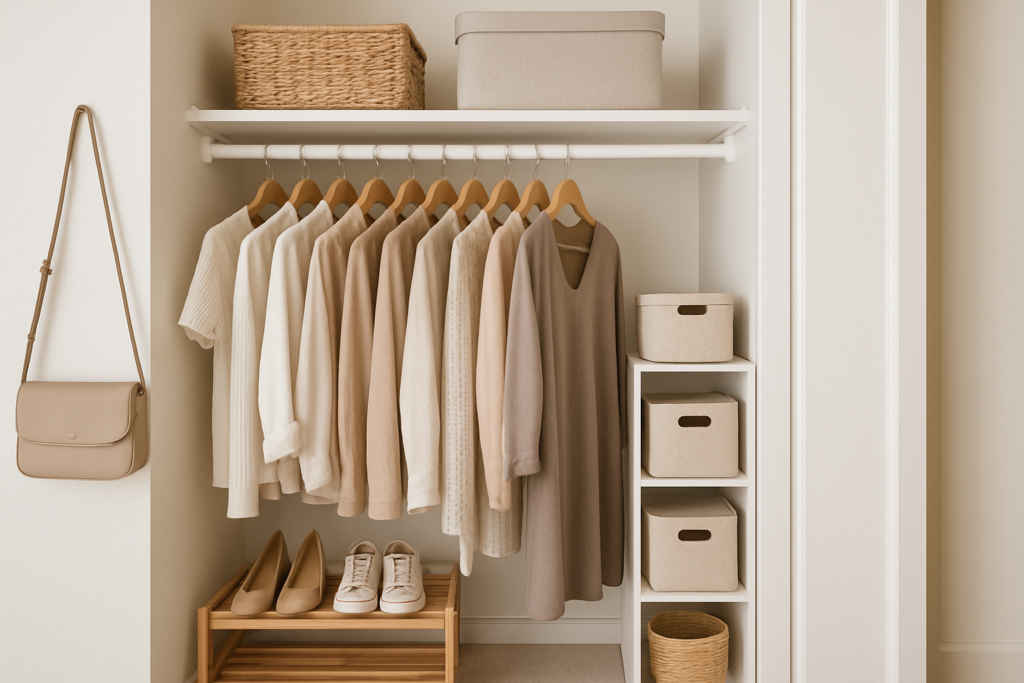
Staring at your tiny closet while your clothes pile up on the bedroom chair? You’re not alone. Most of us are dealing with closets that feel more like narrow phone booths than functional storage spaces. The good news is that even the smallest closet can become surprisingly organized with the right approach.
Small closets force you to be creative, but they also make you more intentional about what you keep. With a few smart strategies and the right tools, you can transform that cramped space into a well-organized wardrobe that actually works for your daily routine.
These tips aren’t about cramming more stuff into a tiny space. They’re about making every square inch count so you can find what you need quickly and maintain your organization long-term.
Start With a Complete Closet Cleanout
Before you buy a single organizer, empty your entire closet. This step makes many people groan, but it’s absolutely essential. You can’t organize what you can’t see, and you’ll waste money on storage solutions for items you don’t actually want to keep.
Create three piles: keep, donate, and toss. Be ruthless here. That shirt you haven’t worn in two years but keep “just in case”? It needs to go. Items with stains, holes, or that no longer fit should head straight to the toss pile.
Focus on keeping only items you genuinely love and wear regularly. In a small closet, every piece needs to earn its place. Aim to reduce your wardrobe by at least 30% during this process.
The One-Year Rule
Turn all your hangers backward at the start of the year. When you wear an item, turn the hanger forward. After 12 months, any clothes still on backward hangers clearly aren’t part of your regular rotation and can be donated.
Maximize Your Vertical Space
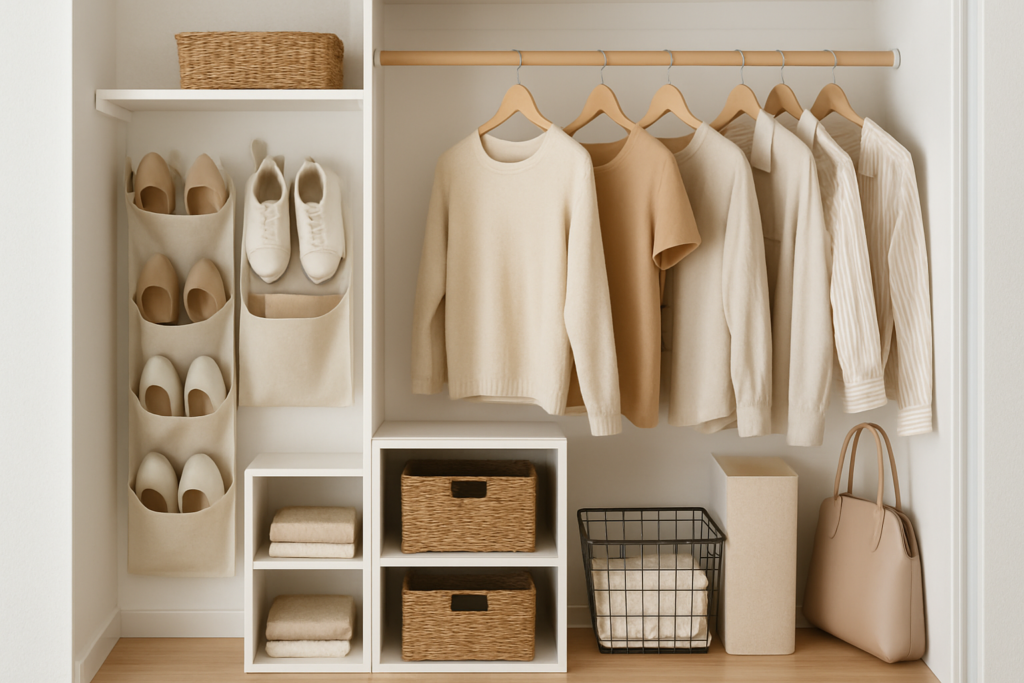
Most small closets have wasted space above the single hanging rod. Installing a second rod doubles your hanging capacity instantly. Place the top rod about 80 inches from the floor and the bottom rod around 40 inches high.
This double-rod setup works perfectly for shorter items like shirts, blouses, and folded pants. Reserve single-rod areas for longer pieces like dresses and coats.
SONGMICS Double Rod Closet Organizer
This expandable system adjusts to fit most closet widths and creates instant double hanging space
Add Shelving Above the Rods
Install shelves all the way to the ceiling if possible. Use the highest shelves for out-of-season items and things you rarely need. Wire shelving works well because you can see through it, but solid wood shelves look more polished.
Consider adjustable shelving systems that let you change shelf heights as your storage needs evolve. The Container Store’s Elfa system is popular, but you can find similar adjustable wire shelving at home improvement stores.
Make Your Closet Doors Work Harder
Closet doors offer prime real estate that most people completely ignore. Over-the-door organizers can hold shoes, accessories, cleaning supplies, or even folded clothes.
For shoes specifically, clear over-the-door shoe organizers let you see everything at a glance. Each pocket can hold one pair, and you’ll be amazed how many shoes fit this way.
Hanging jewelry organizers with clear pockets keep necklaces untangled and earrings paired up. These work especially well on the inside of closet doors where they stay hidden but accessible.
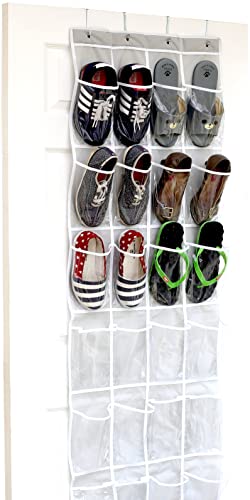
SimpleHouseware Over Door Shoe Organizer
Clear pockets make it easy to spot the shoes you want while maximizing door space
Install Door-Mounted Hooks
Add a few sturdy hooks to the inside of your closet doors for frequently worn items like robes, pajamas, or tomorrow’s outfit. Choose hooks that can hold at least 10 pounds each to prevent bending or breaking.
Strategic Storage Solutions for Small Spaces
The key to small closet organization is choosing storage solutions that work well together and maximize every inch. Mixing different types of organizers creates a custom system that fits your specific needs.
Drawer Units for the Closet Floor
Plastic drawer units utilize the space under your hanging clothes perfectly. Use them for underwear, socks, t-shirts, and other small items that don’t need to hang. Clear drawers let you see contents instantly.
Stack multiple units if you have the height, but make sure the bottom unit is sturdy enough to support the weight above it. Three-drawer units typically offer the best balance of storage and stability.
Hanging Organizers Save Floor Space
Hanging closet organizers with multiple shelves create storage without taking up floor space. These work great for sweaters, jeans, and bulky items that might get wrinkled in drawers.
Look for organizers with at least 5-6 shelves to maximize the vertical space between your hanging rods. Some models include small drawers or zippered compartments for extra versatility.
Storage Boxes and Bins
Clear storage boxes stack neatly on closet shelves and keep seasonal items dust-free. Label everything clearly, even if the boxes are see-through. Future you will appreciate the extra organization.
For the highest shelves, choose boxes with handles for easier retrieval. Avoid making boxes too heavy, or you’ll struggle to get them down safely.
IRIS USA Clear Storage Boxes
These stackable boxes with secure lids keep seasonal items organized and easily accessible
Smart Hanging Strategies
The right hangers make a huge difference in small closets. Thin, non-slip hangers take up much less rod space than bulky plastic ones. You can often double your hanging capacity just by switching hangers.
Velvet hangers grip clothes well and prevent sliding, while their slim profile maximizes rod space. Choose one color and style for a cohesive look that makes your closet feel more organized.
Cascade Hangers for Multiple Items
Cascade hooks let you hang multiple items vertically from one rod position. These work particularly well for tank tops, camisoles, or items you wear in layers together.
You can create a DIY version using soda can tabs or purchase purpose-made cascade hooks. Either way, you’ll free up significant rod space.
Group Similar Items Together
Organize your hanging clothes by category and color. Keep all pants together, all blouses together, and so on. Within each category, arrange by color from light to dark.
This system makes choosing outfits faster and helps you spot when you have too many similar items. It also makes your small closet look more intentional and put-together.
Seasonal Rotation Keeps Things Manageable
Small closets simply can’t accommodate four seasons of clothing simultaneously. Seasonal rotation is essential for maintaining organization and making your space functional year-round.
Store off-season clothes in vacuum-sealed bags under the bed, in the top of your closet, or in another location entirely. Keep only the current season plus transitional pieces in your main closet area.
The Two-Season Approach
Instead of rotating four distinct seasons, try a two-season approach: warm weather and cold weather. This reduces the number of clothing swaps you need to do each year while still keeping your closet manageable.
Keep a small section for transitional pieces like light sweaters and jackets that work across multiple seasons. These bridge items reduce the urgency of seasonal swaps.
Storage Solutions for Off-Season Items
Vacuum storage bags compress bulky winter coats and sweaters to a fraction of their normal size. Store these bags in closet corners, under beds, or in other storage areas.
For items that shouldn’t be compressed, like structured blazers or delicate fabrics, use regular storage boxes or garment bags. Cedar blocks or lavender sachets help prevent moth damage during long-term storage.
SpaceSaver Vacuum Storage Bags
These heavy-duty bags compress bulky items to save up to 80% of storage space
DIY Solutions That Actually Work
You don’t need to spend a fortune on closet organizers. Many effective solutions can be made at home with basic materials and tools.
PVC Pipe Boot Holders
Cut PVC pipes into 12-inch sections to create boot holders that keep tall boots upright and prevent creasing. Simply slide the pipes inside your boots before storing them on shelves or in boxes.
This costs a fraction of commercial boot shapers and works just as well. Choose a pipe diameter that fits snugly inside your boots without stretching them.
Tension Rod Dividers
Install small tension rods vertically between shelves to create dividers for storing handbags, clutches, or folded clothes. This prevents items from toppling over and makes better use of shelf depth.
You can also use tension rods horizontally to create additional hanging space for scarves, belts, or ties. They install without tools and won’t damage your closet walls.
Cardboard Box Drawer Dividers
Cut cardboard boxes to create custom drawer dividers for underwear, socks, and small accessories. Cover them with decorative paper if you want a more polished look.
This approach costs almost nothing and creates perfectly sized compartments for your specific items. You can adjust or replace dividers easily as your needs change.
Specialty Storage for Different Items
Different types of clothing and accessories need different storage approaches. Customizing your storage to specific items creates a more functional and organized closet.
Shoe Storage Solutions
Shoes can quickly overwhelm a small closet if not properly organized. Clear shoe boxes stack well and protect your shoes while keeping them visible. They also stack more uniformly than keeping shoes in their original boxes.
For everyday shoes, a shoe rack on the closet floor keeps frequently worn pairs easily accessible. Choose a rack with multiple tiers to maximize vertical space.
Over-the-door shoe organizers work well for flats and sandals but may not accommodate boots or high heels. Consider your shoe collection when choosing storage methods.
Handbag and Purse Organization
Store handbags on shelves with their openings facing out so you can see inside each one. Stuff them with tissue paper or bubble wrap to maintain their shape during storage.
For expensive bags, use dust bags or pillowcases to prevent scratching and color transfer. Store them upright rather than stacked to prevent crushing and shape distortion.
Small clutches and evening bags work well in clear storage boxes with dividers. You can see everything at once and prevent small bags from getting lost behind larger ones.
Belt and Tie Storage
A simple towel bar mounted inside your closet creates perfect storage for belts. They hang neatly without tangling and you can see all your options instantly.
For ties, use a tie rack that mounts inside the closet or on the back of the door. Some models swing out for easy access and tuck away to save space.
Alternatively, roll ties and store them in a drawer with dividers. This method prevents wrinkles and makes ties easier to see than when they’re hanging.
Lighting Makes Everything Better
Good lighting transforms a small closet from a dark cave into a functional dressing space. Many closets have inadequate overhead lighting that creates shadows and makes it hard to distinguish colors.
Battery-operated LED strips stick easily under shelves and inside closet rods. They provide bright, even lighting without requiring electrical work.
Motion-activated lights turn on automatically when you open the closet door and turn off when you leave. This convenience makes you more likely to keep the space organized because you can actually see what you’re doing.
Color Temperature Matters
Choose LED bulbs with a color temperature around 4000K for the most accurate color representation. This helps you match clothes properly and see true colors when getting dressed.
Avoid warm yellow lighting in closets, as it can make colors appear different than they will in daylight or office lighting.
Maintenance Tips for Long-Term Success
Creating an organized closet is only half the battle. Maintaining that organization requires developing good habits and systems that work with your lifestyle.
The One-In-One-Out Rule
For every new item you bring into your closet, remove one item. This prevents your carefully organized space from becoming overcrowded again.
Keep a donation bag in your closet and add items as you realize you no longer wear them. When the bag is full, take it to your preferred donation center.
Weekly Reset Routine
Spend 10 minutes each week returning items to their designated spots. This prevents small messes from becoming overwhelming organization projects.
Use this time to also assess what you wore that week. Items that consistently get passed over might be candidates for donation.
Seasonal Deep Cleans
During seasonal transitions, do a quick assessment of your organization systems. Are they still working? Do you need to adjust shelf heights or reorganize categories?
This is also a good time to vacuum closet floors, wipe down shelves, and check for any needed repairs to organizing systems.
Before and After: Real Results
Sarah’s 4×6 foot closet was completely overwhelmed before she applied these strategies. Clothes were crammed onto a single rod, shoes covered the floor, and she often wore the same few items because she couldn’t find anything else.
After installing a double-rod system, adding over-door shoe storage, and implementing seasonal rotation, she increased her usable storage by nearly 75%. She now uses drawer units for small items and hanging organizers for sweaters.
The key was reducing her total clothing by 40% during the initial cleanout, then maximizing every inch of the remaining space with smart storage solutions.
Mike transformed his narrow reach-in closet by focusing on vertical storage. He installed shelves to the ceiling and uses clear boxes for seasonal items. A tension rod system holds belts and ties, while slim hangers nearly doubled his hanging capacity.
His biggest insight was that organization systems need to match your actual habits. He keeps frequently worn items at eye level and stores occasional-wear pieces higher up.
Frequently Asked Questions
What’s the best way to organize a closet that’s only 3 feet wide?
Focus on maximizing vertical space and using every surface, including doors and walls. Install double rods for shorter items, use over-door organizers for shoes, and add shelving all the way to the ceiling. Keep only current-season clothes in the main space and rotate seasonally. Slim hangers and hanging organizers save significant space compared to traditional storage methods.
How do I decide what clothes to keep when space is really limited?
Use the 80/20 rule: you probably wear 20% of your clothes 80% of the time. Keep only items you’ve worn in the past year and genuinely love. For small closets, each piece should serve multiple purposes or be something you wear frequently. Consider cost-per-wear rather than original purchase price when making decisions.
Should I invest in expensive closet organizers or start with budget options?
Start with budget-friendly solutions to test what works for your space and habits. Many inexpensive organizers work just as well as premium versions. Focus your budget on items that get daily use, like quality hangers and sturdy shoe storage. You can always upgrade