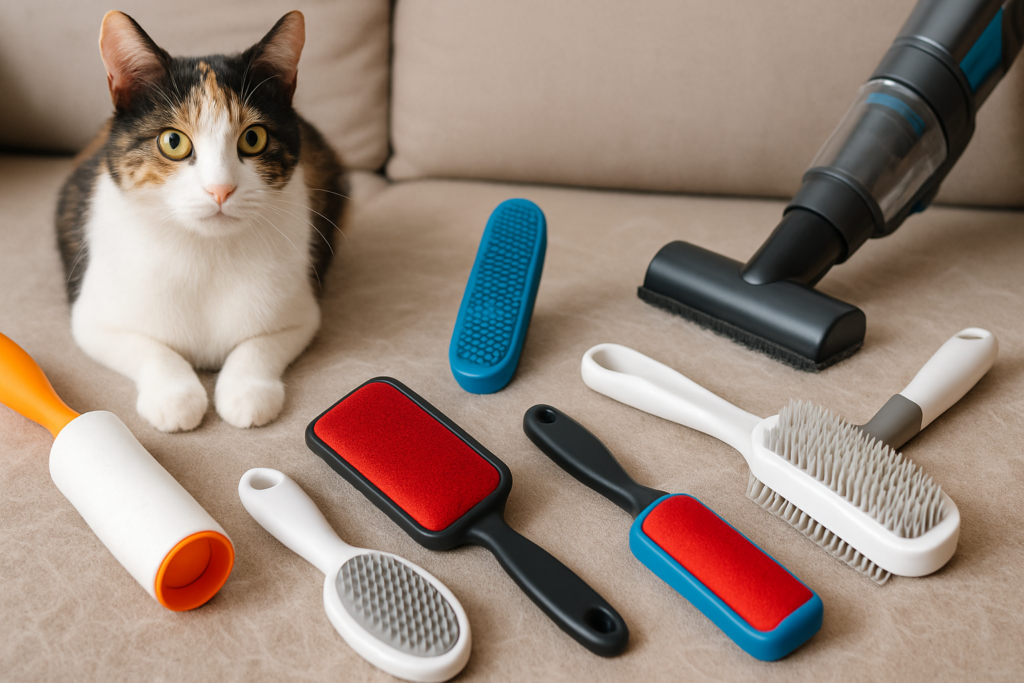
If you’ve ever owned a pet, you know the daily battle against fur tumbleweeds rolling across your floors like tiny dust devils. Pet hair has a supernatural ability to embed itself into every fabric surface, cling to your favorite black sweater, and somehow end up in places your pet has never been.
The pet hair struggle is real, but you don’t have to surrender your home to the fur invasion. After testing dozens of tools and techniques on everything from my golden retriever’s seasonal shedding disasters to my cat’s daily fur contributions, I’ve found the methods that actually deliver results.
Some solutions work better than others, and a few will surprise you with their effectiveness. Here are the 10 pet hair removal tools and techniques that have proven themselves in real-world testing across different surfaces and situations.
1. Rubber Gloves: The Surprisingly Effective Secret Weapon
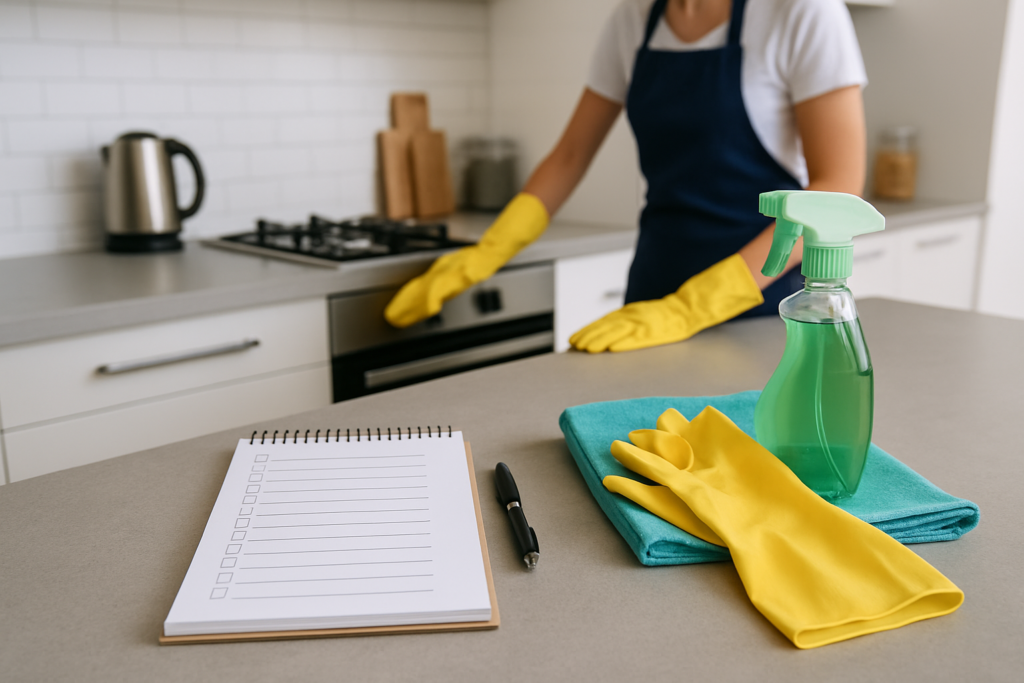
Regular household rubber gloves might be the most underrated pet hair removal tool you already own. The slight tackiness of rubber creates static electricity when you rub surfaces, making pet hair practically jump into your hands.
For furniture, put on slightly damp rubber gloves and run your hands over upholstery in long strokes. The hair will ball up, making it easy to collect. This method works exceptionally well on fabric sofas and car seats.
On carpets, the technique is similar but requires more pressure. Work in sections, and you’ll see the hair gather into clumps that you can pick up by hand. This method gets hair that vacuum cleaners often miss, especially the fine undercoat that gets pressed deep into carpet fibers.
2. The ChomChom Roller: No Batteries, No Replacements
The ChomChom Roller operates on pure physics rather than adhesive strips or electricity. You simply roll it over surfaces, and the internal mechanism captures hair through a combination of fabric and design.
What makes this tool stand out is its reusability. Unlike traditional lint rollers that require constant refills, the ChomChom works indefinitely. The captured hair collects in an easy-to-empty chamber.
Testing showed it works best on upholstery, car seats, and bedding. It struggles with deeply embedded hair in high-pile carpets but excels on medium-pile rugs and furniture. The tool requires no maintenance beyond occasional cleaning.
ChomChom Roller Pet Hair Remover
This reusable roller works on pure physics and never needs refills or batteries
3. Lint Rollers: The Classic That Still Delivers
Traditional lint rollers remain one of the most effective solutions for clothing and quick furniture touch-ups. The adhesive sheets grab hair on contact, making them perfect for last-minute outfit fixes.
Keep multiple lint rollers stationed around your house. One by the front door for clothing checks, another in your car for seat maintenance, and a third in your bedroom for bedding.
The key is using them correctly. Work in overlapping strokes rather than random rolling. Start from the top of garments and work down to avoid redistributing hair. Replace sheets frequently because overloaded adhesive loses effectiveness.
4. Vacuum Attachments: Your Most Powerful Ally
Your vacuum cleaner is probably your most important pet hair weapon, but only if you’re using the right attachments and techniques. The standard floor head often pushes hair around rather than sucking it up.
The upholstery attachment with rubber bristles works best on furniture. These bristles create static while loosening embedded hair. For stairs and tight spaces, the crevice tool prevents hair from escaping around edges.
Vacuum furniture before floors to prevent hair from falling and creating double work. Use slow, overlapping strokes and vacuum each area from multiple directions. Fast passes miss more hair than they collect.
5. Pet Grooming Tools: Prevention as the Best Cure
The FURminator deShedding Tool attacks the problem at its source by removing loose undercoat before it ends up on your furniture. This tool reaches through the topcoat to grab loose undercoat without cutting or damaging healthy hair.
Regular brushing sessions reduce household hair by up to 90% when done consistently. Most pets need brushing 2-3 times per week, with daily sessions during heavy shedding seasons.
The tool works best on dry coats. Brush in the direction of hair growth using gentle strokes. Sessions should last 10-15 minutes to avoid skin irritation. The amount of hair these tools collect will amaze you and explain where all that furniture fur comes from.
FURminator Undercoat Deshedding Tool
Removes loose undercoat before it becomes furniture fur, reducing household hair by up to 90%
6. Dryer Sheets: The Static-Busting Solution
Fabric softener sheets don’t just make clothes smell fresh. They’re excellent at neutralizing the static electricity that makes pet hair cling to surfaces. This makes them particularly effective on electronics, baseboards, and blinds.
Wipe surfaces with a used dryer sheet (new ones can leave residue). The anti-static properties will repel future hair accumulation for several days. This technique works especially well on TV screens, computer monitors, and furniture legs.
For clothing, run a dryer sheet over garments before wearing them. This creates a barrier that makes hair easier to brush off later. Keep sheets in your car for quick touch-ups on fabric seats.
7. Spray Bottles: The Moisture Method
Lightly misting surfaces with water before cleaning helps weigh down pet hair, preventing it from becoming airborne during removal. This technique works particularly well with rubber gloves or microfiber cloths.
Mix water with a small amount of fabric softener in a spray bottle for extra effectiveness. The fabric softener reduces static while the moisture settles the hair. Use sparingly to avoid soaking surfaces.
This method works best on hard surfaces, blinds, and lampshades where hair tends to float around during cleaning. Avoid over-wetting upholstered furniture or electronics.
8. Microfiber Cloths: The Static Electricity Generators
High-quality microfiber cloths create static electricity through friction, making them excellent hair magnets. Unlike regular cleaning cloths, microfiber’s unique structure traps and holds hair rather than pushing it around.
Use dry microfiber cloths for most surfaces. The static buildup increases with use, so these cloths actually get better at collecting hair as you clean. Work in circular motions on furniture and long strokes on flat surfaces.
Wash microfiber cloths separately without fabric softener, which reduces their static properties. Air dry when possible, as high heat can damage the fibers and reduce effectiveness.
9. Carpet Rakes: The Deep-Cleaning Power Tool
Standard vacuums often miss hair that’s deeply embedded in carpet fibers. A carpet rake physically pulls this hair to the surface where vacuums can reach it.
Rake carpets before vacuuming, working in multiple directions to loosen hair from all angles. The rubber bristles on quality rakes create static that helps lift hair while the scraping action breaks the bond between hair and carpet fibers.
Focus extra attention on high-traffic areas and your pet’s favorite spots. These zones typically have the most embedded hair. Follow up immediately with vacuuming to collect the loosened hair.
Carpet Rake with Rubber Bristles
Pulls deeply embedded hair to the surface where vacuums can actually reach it
10. Pumice Stones: The Unexpected Carpet Solution
A clean pumice stone creates incredible friction against carpet fibers, literally pulling embedded hair to the surface. This technique works especially well on areas where hair seems permanently attached to carpet.
Use light pressure and work in one direction to avoid damaging carpet fibers. The stone will quickly fill with hair, which you can remove by hand or vacuum. Test in an inconspicuous area first to ensure your carpet can handle the friction.
This method requires the most physical effort but delivers results on carpets where other methods fail. Reserve it for problem areas rather than whole-room cleaning.
Surface-Specific Strategies
Upholstered Furniture
Fabric furniture requires a multi-step approach. Start with rubber gloves or a ChomChom roller to remove surface hair. Follow with vacuum upholstery attachments for embedded hair. Finish with a lint roller for any remaining strands.
Leather furniture is easier to manage. Damp microfiber cloths collect hair without scratching the surface. Regular leather conditioning also makes hair less likely to stick.
Clothing
Prevention works better than removal for clothing. Store clothes in closed closets and use dryer sheets in drawers. When hair does stick, lint rollers remain the most effective solution.
For washing machines, add a dryer sheet to the wash cycle occasionally. The anti-static properties help hair release from fabric during the wash rather than redistributing.
Carpets and Rugs
Carpet cleaning requires the most aggressive approach. Start with a carpet rake, follow with thorough vacuuming, and finish with rubber gloves for any visible remaining hair.
Change vacuum bags or empty canisters frequently when dealing with heavy hair loads. Clogged filters reduce suction and scatter hair rather than collecting it.
Creating a Hair Removal Routine
Consistency beats intensity when managing pet hair. Daily light cleaning prevents the buildup that requires major cleaning sessions. Focus on your pet’s favorite areas and high-traffic zones.
Establish weekly deep-cleaning sessions for furniture and carpets. Monthly grooming appointments for professional-quality brushing can dramatically reduce household hair levels.
Keep tools easily accessible. Hair removal happens most effectively when tools are convenient to grab during regular activities.
Frequently Asked Questions
How often should I brush my pet to reduce household hair?
Most pets benefit from brushing 2-3 times per week year-round, with daily sessions during spring and fall shedding seasons. Consistent brushing removes loose hair before it ends up on furniture and clothing. Long-haired breeds may need daily attention, while short-haired pets might only need weekly brushing.
Why does pet hair seem to stick to some fabrics more than others?
Static electricity and fabric texture determine how well hair sticks to materials. Synthetic fabrics generate more static, making hair cling tighter. Rough textures like corduroy or wool physically trap hair in their fibers. Smooth, natural fabrics like cotton and leather allow hair to fall away more easily.
Can I use fabric softener to prevent pet hair from sticking to furniture?
Fabric softener reduces static electricity that makes hair cling to surfaces. You can lightly spray furniture with diluted fabric softener or wipe surfaces with used dryer sheets. This creates a barrier that makes future hair removal easier. Avoid over-application, which can leave residue or attract dirt.
What’s the best way to remove pet hair from car interiors?
Car interiors require portable solutions since you can’t use large vacuum attachments easily. Rubber gloves work excellently on fabric seats, while microfiber cloths handle hard surfaces. Keep a lint roller in your glove compartment for quick touch-ups. For deep cleaning, use a shop vacuum with upholstery attachments before applying these hand methods.
This article contains affiliate links. We may earn a small commission at no extra cost to you.