Your home has gradually become a maze of misplaced items, overflowing closets, and cluttered surfaces. You know you need to tackle the chaos, but the thought of organizing an entire house feels overwhelming. What if you could transform your living space from chaotic to calm in just one weekend?
With the right plan and realistic expectations, you can make significant progress organizing your entire home in 48 hours. The key is working smart, not harder, focusing on high-impact areas first and creating sustainable systems that won’t fall apart within a week.
This room-by-room approach breaks down the mammoth task into manageable chunks, complete with time estimates and supply lists. You’ll prioritize the spaces that make the biggest difference in your daily life while building organizational habits that last.
Before You Start: Essential Preparation
Success starts with smart preparation. Gather your supplies on Friday evening so you can hit the ground running Saturday morning. You’ll need clear storage bins in various sizes, a label maker or waterproof markers, trash bags, and donation boxes.
Stock up on cleaning supplies too. You’ll want to wipe down surfaces as you declutter. Keep microfiber cloths and all-purpose cleaner within reach throughout the weekend.
Set realistic expectations for your weekend. You won’t achieve magazine-perfect organization in 48 hours, but you can create functional systems that dramatically improve your daily routine. Focus on progress, not perfection.
STERILITE 64 Qt Clear Storage Box
Perfect size for most organizing projects with clear visibility and stackable design
The 4-3-2-1 Prioritization System
Not every room in your house deserves equal attention during this weekend blitz. Use the 4-3-2-1 system to allocate your time based on impact and daily use.
Level 4 (Most Important): Kitchen, master bedroom, and main bathroom. These spaces affect your daily routine most directly. A organized kitchen makes meal prep easier, a clutter-free bedroom improves sleep quality, and an functional bathroom sets the tone for your morning.
Level 3 (High Priority): Living room and entryway. These areas create first impressions and serve as gathering spaces for family activities.
Level 2 (Medium Priority): Home office, laundry room, and kids’ bedrooms. Important for specific functions but used less frequently than Level 4 spaces.
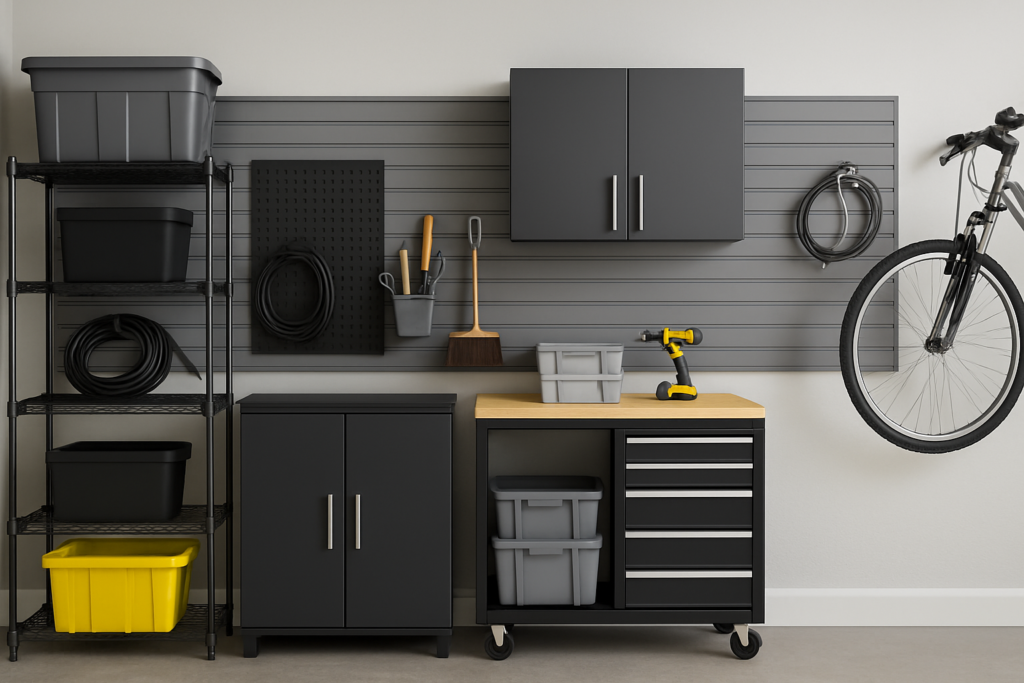
Level 1 (If Time Allows): Guest rooms, basement, attic, and garage. These storage areas can wait until future weekends if you run out of time.
Saturday Morning: Kitchen Deep Dive (3-4 Hours)
Start with your kitchen because it’s the heart of most homes. Begin by clearing all countertops completely. This creates visual progress immediately and gives you workspace for sorting.
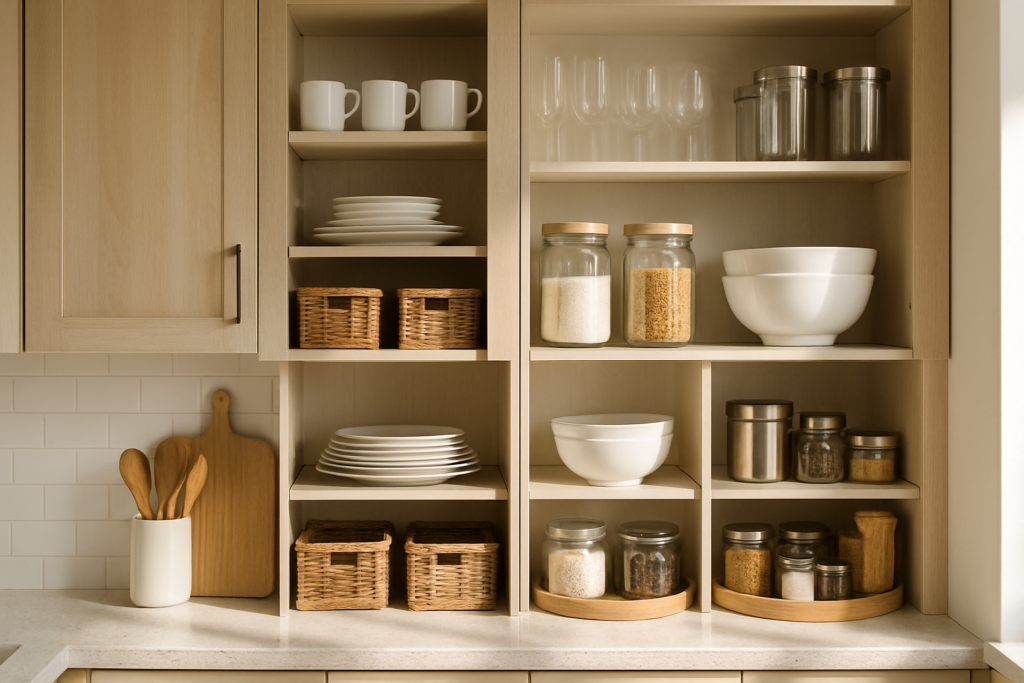
Empty one cabinet at a time. Check expiration dates ruthlessly and toss anything past its prime. Group similar items together: all baking supplies in one area, canned goods in another, spices in a third pile.
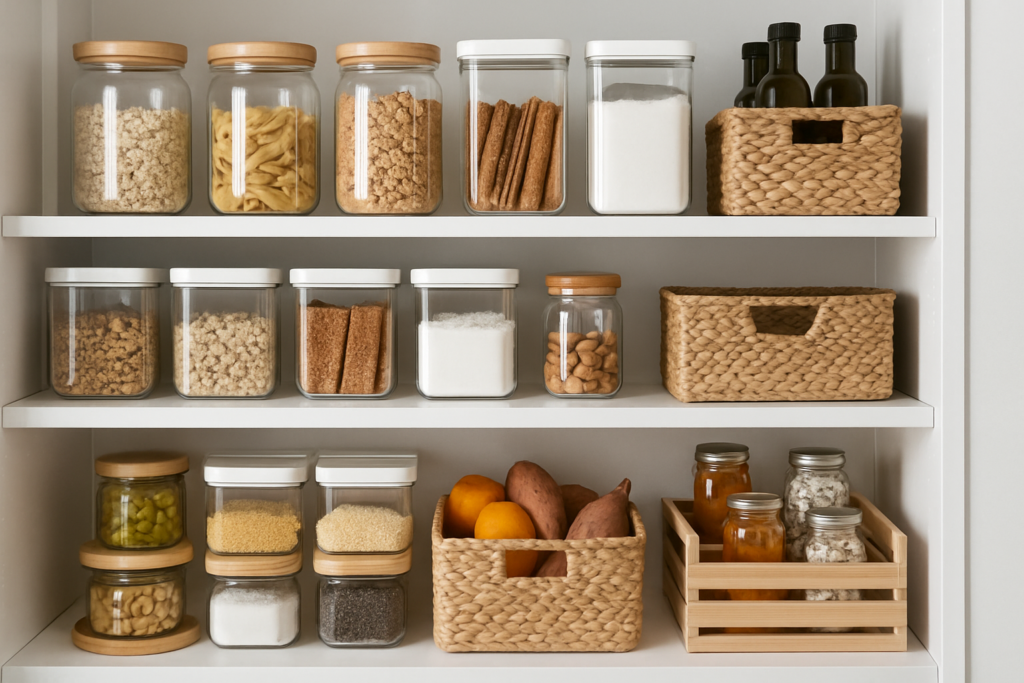
Your pantry needs zones, not random placement. Create designated areas for breakfast items, snacks, cooking ingredients, and baking supplies. Use airtight storage containers for frequently used items like flour, sugar, and cereal.
Tackle the dreaded junk drawer next. Most kitchens have one catch-all drawer that defies logic. Empty it completely, wipe it down, and add small dividers or containers to create designated spots for batteries, rubber bands, pens, and other miscellany.
OXO Good Grips POP Container Set
Excellent airtight seal keeps food fresh and stackable design maximizes pantry space
Kitchen Supply List
- Clear storage containers in multiple sizes
- Drawer dividers or small bins
- Labels (waterproof for containers that might get wet)
- Lazy Susans for corner cabinets
- Over-the-door organizers for cleaning supplies
- Trash bags for expired items
Saturday Afternoon: Master Bedroom Transformation (2-3 Hours)
Your bedroom should be a peaceful retreat, not a clothing storage facility with a bed in the middle. Start by making the bed and clearing all surfaces: nightstands, dresser tops, and that chair that’s become a clothes hamper.
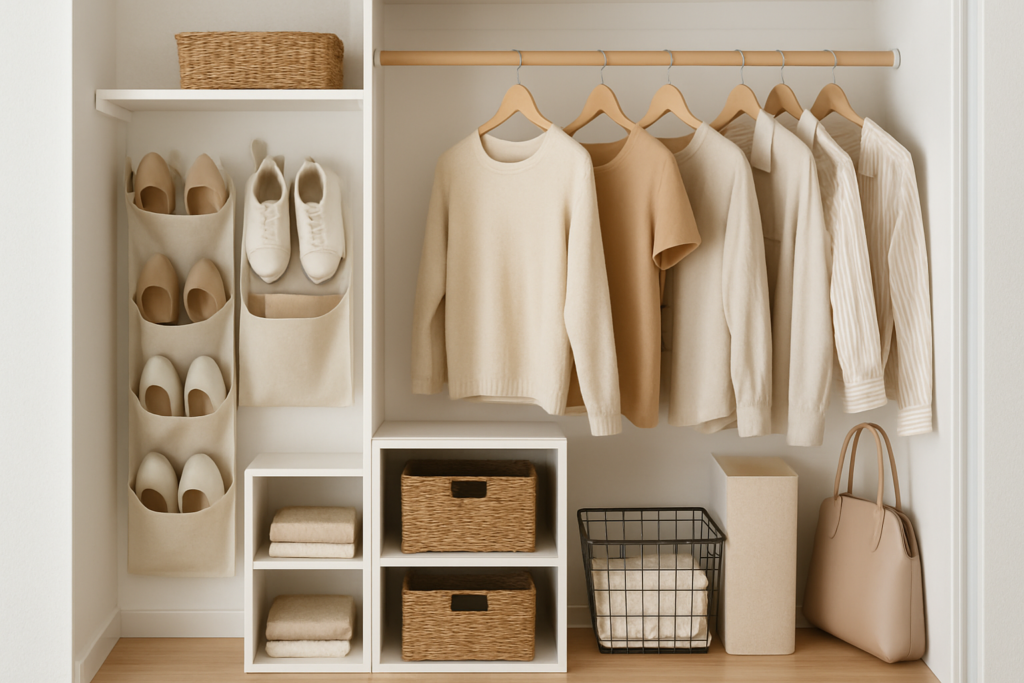
Attack your closet with the one-year rule. Haven’t worn something in a full year? It goes in the donation pile unless it’s a special occasion outfit. Be honest about clothes that no longer fit. Keeping “someday” clothes just creates guilt and clutter.
Organize remaining clothes by category, then by color within each category. All pants together, all shirts together, all dresses together. This system makes getting dressed faster and helps you see what you actually own.
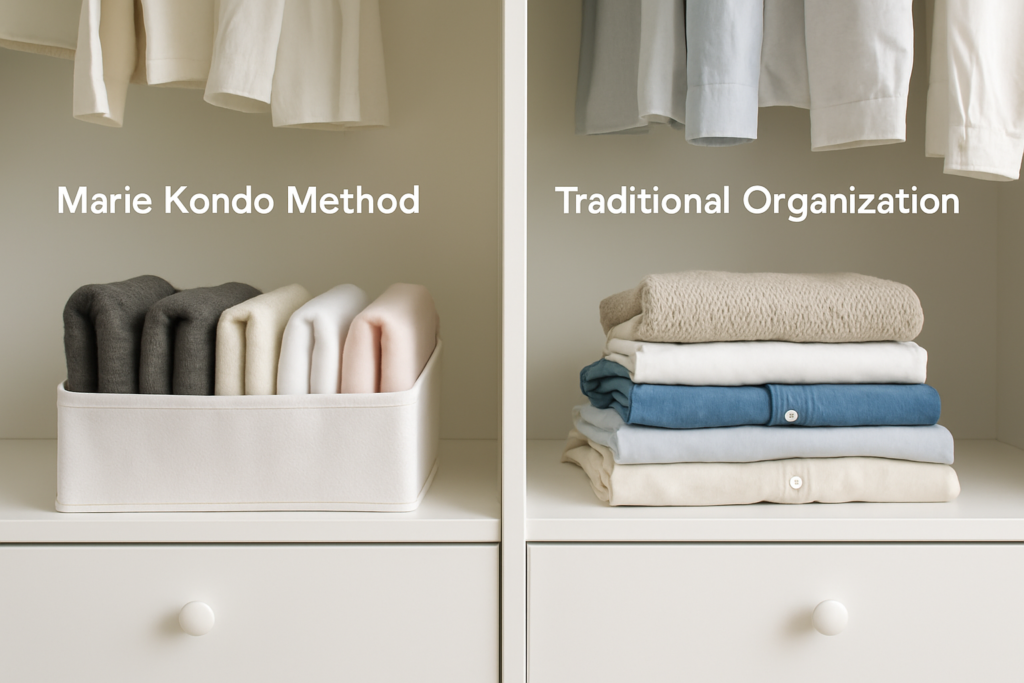
Your dresser drawers need the same treatment. Use drawer dividers to keep underwear, socks, and accessories organized. Roll t-shirts and casual clothes instead of folding them flat. This technique saves space and prevents wrinkles.
Sustainable Closet Systems
Create a donation bag that lives permanently in your closet. When you try on something that doesn’t fit or feel right, immediately put it in the bag instead of hanging it back up. When the bag fills up, donate everything without second-guessing yourself.
Implement the one-in-one-out rule going forward. Every time you buy a new piece of clothing, remove something you already own. This prevents closet creep and maintains your newly organized space.
Saturday Evening: Main Bathroom Blitz (1-2 Hours)
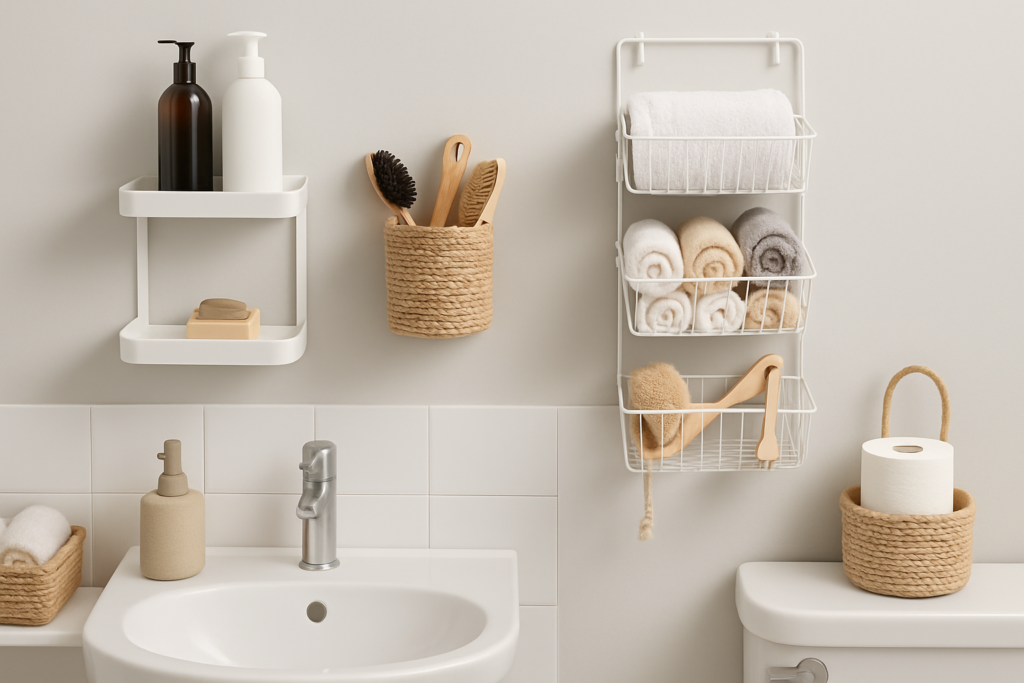
Bathrooms collect an surprising amount of clutter for such small spaces. Empty all drawers and cabinets completely. Check expiration dates on medications, skincare products, and makeup. Most people discover they’re hoarding expired products they forgot they owned.
Group similar items together: all hair products, all skincare items, all first aid supplies. Use small bins or drawer organizers to keep categories separate and easy to find.
Under-sink storage often becomes a black hole of random products. Add a tiered shelf organizer to maximize vertical space and keep cleaning supplies visible and accessible.
Simple Houseware 2 Tier Expandable Under Sink Organizer
Adjustable design fits around most plumbing and doubles your storage space
Sunday Morning: Living Areas and Entryway (2-3 Hours)
Your living room and entryway create first impressions for guests and set the tone when you walk through the door each day. These spaces need to balance function with aesthetics.
Remove everything from coffee tables, side tables, and entertainment centers. Keep only items that serve a purpose or bring joy when you see them. Remote controls, coasters, and one or two decorative items are plenty for most coffee tables.
Create designated homes for items that tend to migrate around living spaces. Mail needs a specific basket or tray near the entrance. Kids’ toys need bins that are easy for small hands to use. Throw blankets need a designated basket or storage ottoman.
Entryway Organization
Your entryway sets the tone for organization throughout your home. Install hooks at different heights for coats and bags. Add a small basket for keys, sunglasses, and other grab-and-go items.
Shoes multiply near entrances like rabbits. Use a boot tray during wet seasons and establish a one-pair-per-person rule for everyday shoes by the door. Store seasonal shoes elsewhere.
Sunday Afternoon: Quick Wins in Remaining Spaces (2-3 Hours)
With your high-priority areas organized, tackle remaining spaces using the “top three” method. In each room, identify the three most problematic areas and focus only on those spots.
In home offices, the top three are usually the desk surface, the filing system, and supply storage. Clear the desk completely, create a simple filing system with broad categories, and use drawer organizers for pens, paper clips, and other supplies.
For kids’ bedrooms, focus on toy storage, the closet, and the area around the bed. Use clear bins so children can see their toys and label everything with pictures for non-readers.
Laundry Room Efficiency
Even small laundry rooms can be highly functional with smart organization. Add shelving above the washer and dryer for detergent and supplies. Use a rolling cart that fits between appliances for sorting or folding space.
Create a lost-and-found basket for items discovered in pockets. Designate specific spots for stain removers and delicate wash bags so they’re always within reach when you need them.
Maintaining Your Organized Home
Organization isn’t a destination you reach and then forget about. It requires ongoing maintenance, but smart systems make this easier than you might expect.
Implement the 15-minute pickup rule. Set a timer for 15 minutes each evening and have family members return items to their designated homes. This prevents clutter from accumulating and overwhelming your systems.
Schedule seasonal reviews for each organized space. Every three months, spend 30 minutes in each priority area removing items that have migrated or no longer serve a purpose. This prevents organized spaces from gradually returning to chaos.
Brother P-touch PTM95 Handheld Label Maker
Simple operation and variety of tape colors make labeling systems sustainable long-term
Creating Sustainable Systems
The difference between temporary organization and lasting change lies in creating systems that work with your natural habits, not against them.
Place items where you naturally want to put them. Don’t force yourself to walk across the house to return something to its “logical” home. Make the organized option the easy option.
Label everything, even obvious items. Labels remind family members where things belong and make it easier to maintain organization when life gets busy. Use a consistent labeling system throughout your home for visual cohesion.
Build flexibility into your systems. Life changes, and your organization should adapt accordingly. Use modular storage solutions that can be reconfigured as needs change.
Frequently Asked Questions
What if I can’t finish everything in one weekend?
That’s completely normal and expected. Focus on completing your Level 4 priority areas first. A fully organized kitchen and bedroom will improve your daily life more than half-organized rooms throughout the house. You can tackle remaining areas during future weekends using the same systematic approach.
How do I get my family on board with the new organization systems?
Start by organizing your own belongings and spaces without asking anyone else to change. When family members see how much easier it is to find things in organized areas, they’ll naturally begin adopting the systems. Make organization the path of least resistance by placing storage solutions where people naturally want to put items.
Should I buy matching storage containers for everything?
Matching containers look nice but aren’t necessary for functional organization. Focus on containers that fit your spaces and needs first, aesthetics second. You can always upgrade to matching sets later, but function should drive your initial decisions.
How often should I declutter after this initial weekend?
Plan quarterly mini-decluttering sessions for high-use areas like kitchens and bedrooms. Annual reviews work fine for storage areas and less frequently used spaces. The key is preventing accumulation rather than dealing with overwhelming clutter again.
Remember, organization is a skill that improves with practice. Your first weekend won’t create perfection, but it will establish functional systems that make daily life smoother and less stressful. Focus on progress over perfection, and celebrate the improvements you make along the way.
This article contains affiliate links. We may earn a small commission at no extra cost to you.