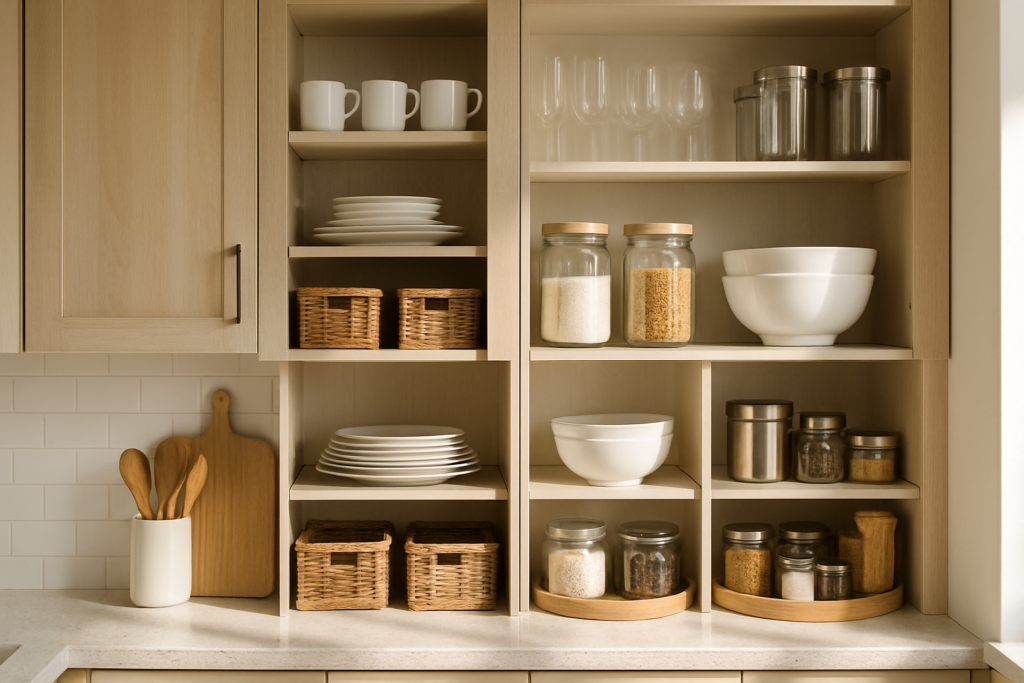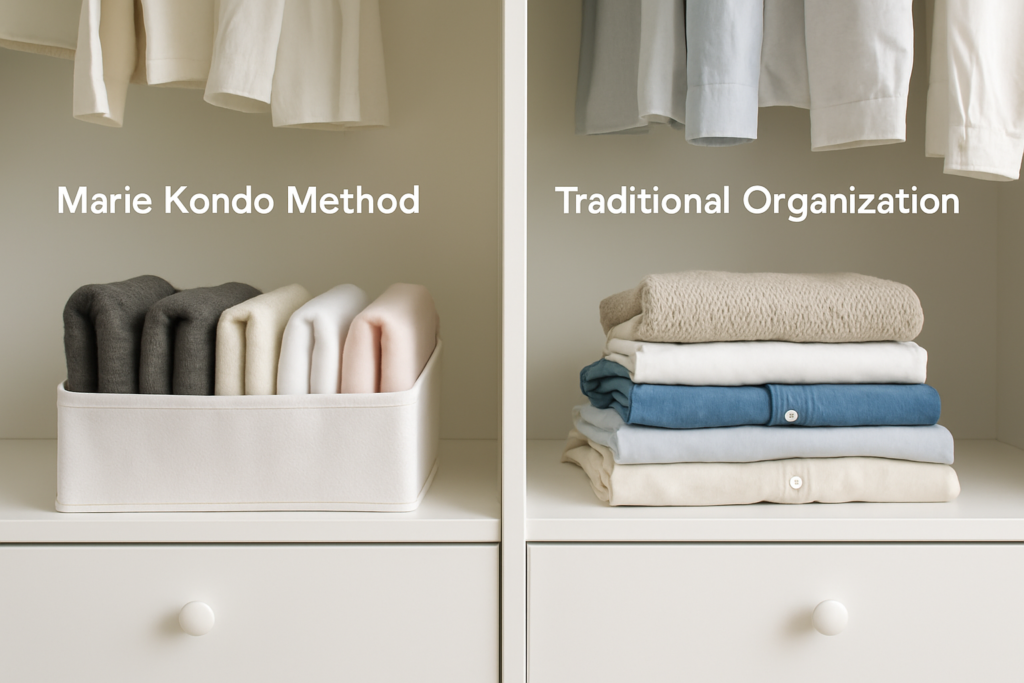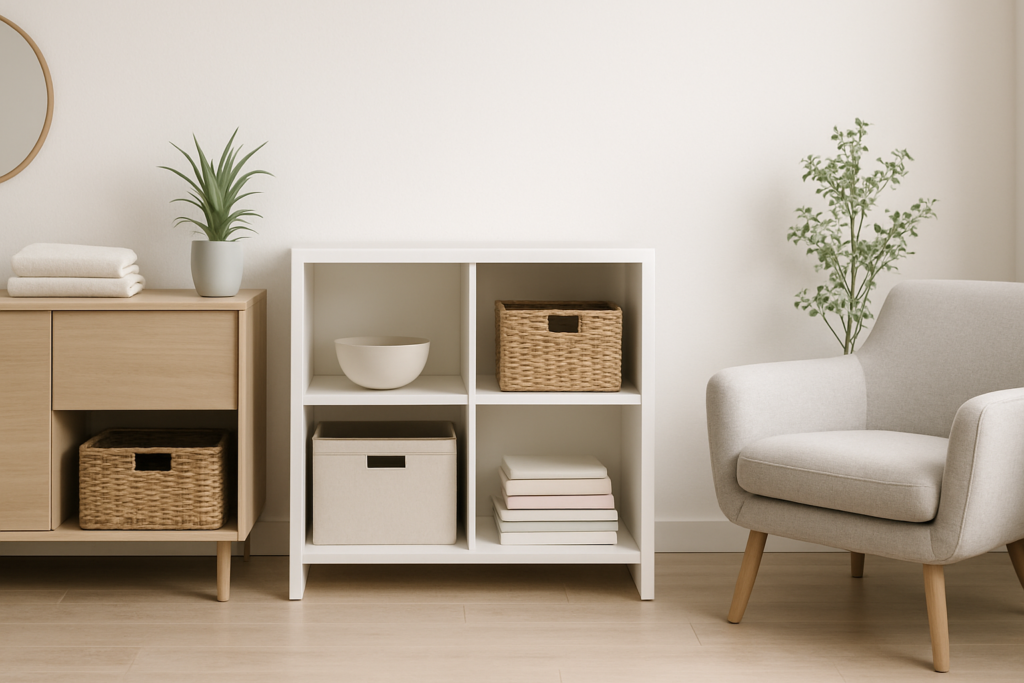
Minimalism and organization aren’t opposing forces competing for space in your home. They’re natural partners that work together to create living spaces that actually function for your daily life. When you combine the minimalist principle of owning less with smart organizational strategies, you end up with homes that stay tidy longer and make everything easier to find.
Most people think getting organized means buying more storage containers and finding clever ways to cram everything they own into designated spots. But this approach misses the fundamental truth about organization: the less you have, the easier it is to keep everything in its place. Your storage solutions can be simpler, more functional, and yes, more beautiful when you’re not trying to hide an overwhelming amount of stuff.
The key lies in choosing quality storage pieces that serve multiple purposes while maintaining the clean aesthetic that makes minimalist homes so appealing. Let’s explore how to create organizational systems that support your minimalist lifestyle rather than complicate it.
The Foundation: Declutter Before You Organize
You can’t organize your way out of having too much stuff. Before investing in any storage solutions, you need to be honest about what you actually use and love. This isn’t about creating a stark, empty space. It’s about keeping only the items that serve a clear purpose in your current life.
Start with the one-year rule for items you haven’t used recently. If you haven’t reached for something in the past year, it’s taking up valuable space that could be used for things you actually need. This applies to kitchen gadgets, clothing, books, and those random items that seem to accumulate in junk drawers.
For sentimental items, create a specific container or small space for them rather than letting them scatter throughout your home. When the container is full, you’ll need to make conscious decisions about what matters most to you.
Don’t forget about digital decluttering either. Those overflowing email inboxes and phone photos create mental clutter that affects how you feel in your physical space.
Choosing Storage Solutions That Actually Work
The best minimalist storage solutions share a few key characteristics: they’re made from quality materials that age well, they serve multiple functions, and they blend seamlessly with your home’s aesthetic. Cheap plastic containers might seem practical, but they rarely look good after a few years of use.
Natural materials like wood, bamboo, and linen work particularly well in minimalist homes because they add warmth without visual clutter. A well-made wooden tray can corral items on your nightstand while looking intentional rather than purely functional.
Multi-Purpose Storage Winners
Storage ottomans remain one of the most practical pieces for minimalist homes. They provide seating, hide clutter, and often double as coffee tables. Look for versions with removable tops that make accessing stored items simple.
Floating shelves create storage without the visual weight of bookcases or cabinets. They work particularly well in small spaces where floor space is precious. Mount them at varying heights to create visual interest while maintaining the clean lines that minimalist design values.
Bamboo drawer organizers bring natural texture to your storage solutions while keeping small items separated. Unlike plastic dividers, bamboo versions look intentional enough to leave drawers slightly open as part of your room’s design.
mDesign Bamboo Drawer Organizer Tray
These adjustable bamboo dividers create custom compartments while adding natural warmth to any drawer.
Kitchen Organization Without the Clutter
Minimalist kitchens function best when countertops stay mostly clear. This means your storage needs to work harder. Invest in drawer organizers that keep utensils sorted and easy to grab quickly. A well-organized utensil drawer eliminates the need for countertop canisters.
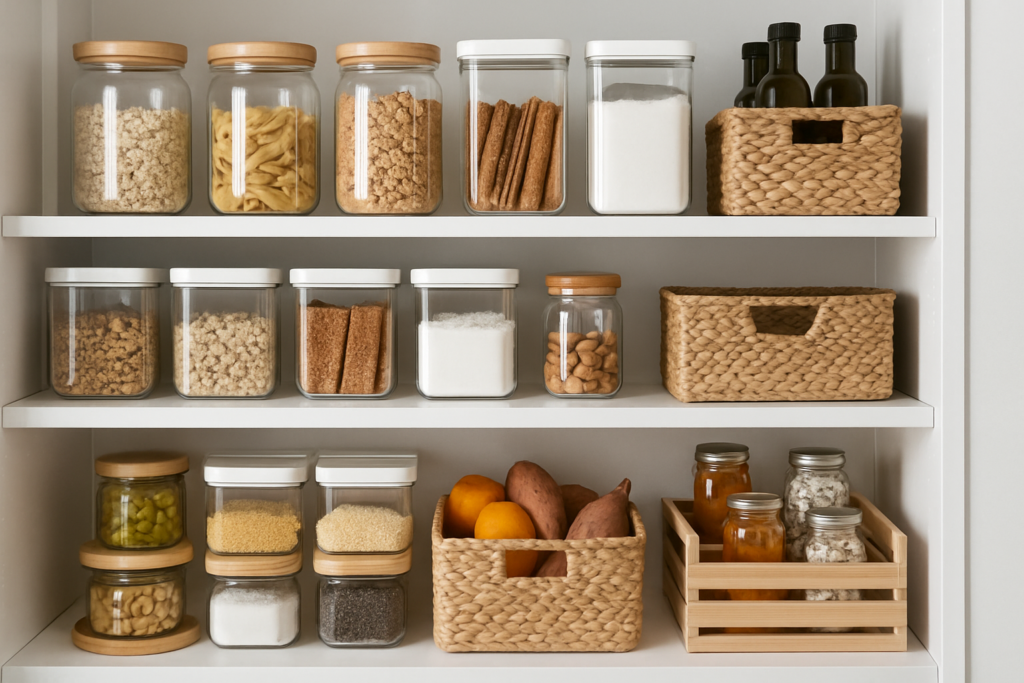
Glass containers with airtight lids store pantry items while letting you see exactly what you have. This visibility prevents overbuying and reduces food waste. Choose containers in just two or three sizes rather than collecting every size available.
Under-cabinet hooks hold mugs and measuring cups without taking up cabinet space. This solution works particularly well in small kitchens where every inch of storage matters.
Creating Systems That Maintain Themselves
The best organizational systems require minimal daily maintenance. This happens when every item has a specific home and returning items to their spots takes less effort than leaving them out.
Place storage solutions close to where you naturally use items. Hooks by the door for keys and bags work better than a decorative bowl across the room. A small basket on your nightstand catches jewelry and change more effectively than remembering to walk to your dresser each night.
Create landing zones for the items that typically create clutter. A small tray near your front door catches keys, sunglasses, and loose change. A basket at the bottom of your stairs collects items that need to go upstairs.
The Five-Minute Reset
Build a five-minute daily reset into your routine. Walk through your main living areas and return items to their designated homes. This small habit prevents clutter from accumulating and keeps your organizational systems functioning.
Focus on high-traffic areas like the kitchen counter, coffee table, and entryway. These spaces tend to collect items throughout the day, and clearing them makes your entire home feel more organized.
Simple Houseware 3 Tier Stackable Desktop Document Letter Tray Organizer
Perfect for mail and paperwork, this sleek organizer prevents paper clutter from taking over surfaces.
Bedroom Storage That Stays Hidden
Bedrooms need storage solutions that don’t interfere with the room’s peaceful atmosphere. Under-bed storage boxes keep seasonal clothing and linens accessible but out of sight. Choose low-profile options that don’t create visual bulk.
A single nightstand with drawers often provides more functional storage than two smaller tables. Use drawer dividers to keep small items from becoming jumbled together.
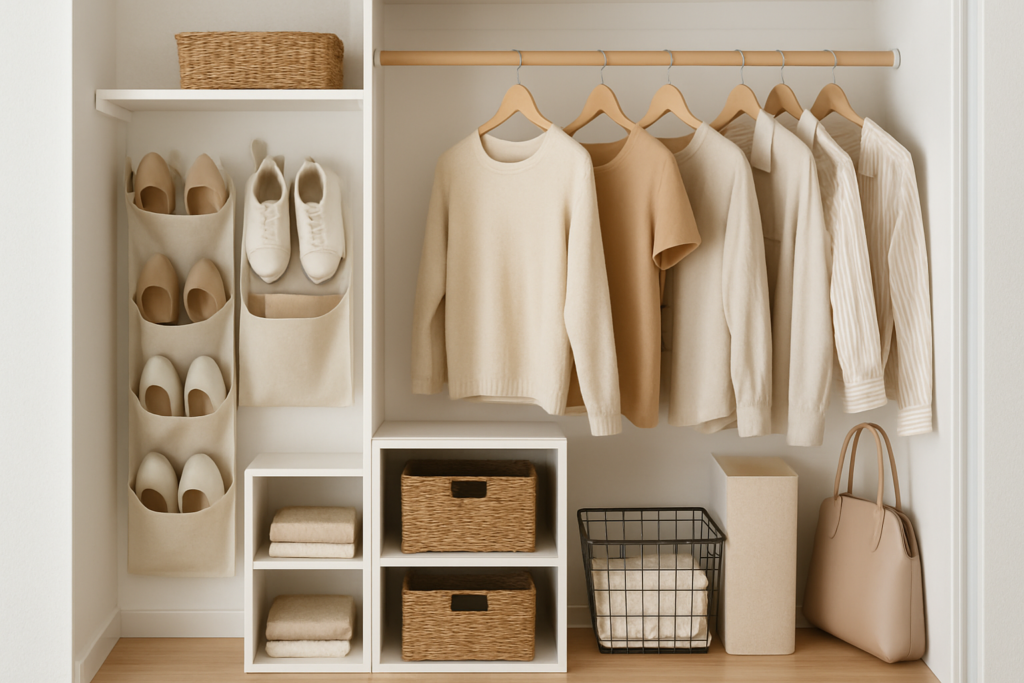
Closet organization becomes simpler when you own fewer clothes. Invest in quality hangers that keep clothes in good shape rather than wire hangers that create visual chaos. Wooden or felt hangers create a uniform look while treating your clothing well.
Linen storage bins work beautifully for organizing closet shelves while maintaining the natural aesthetic that minimalist bedrooms favor.
Bathroom Essentials Only
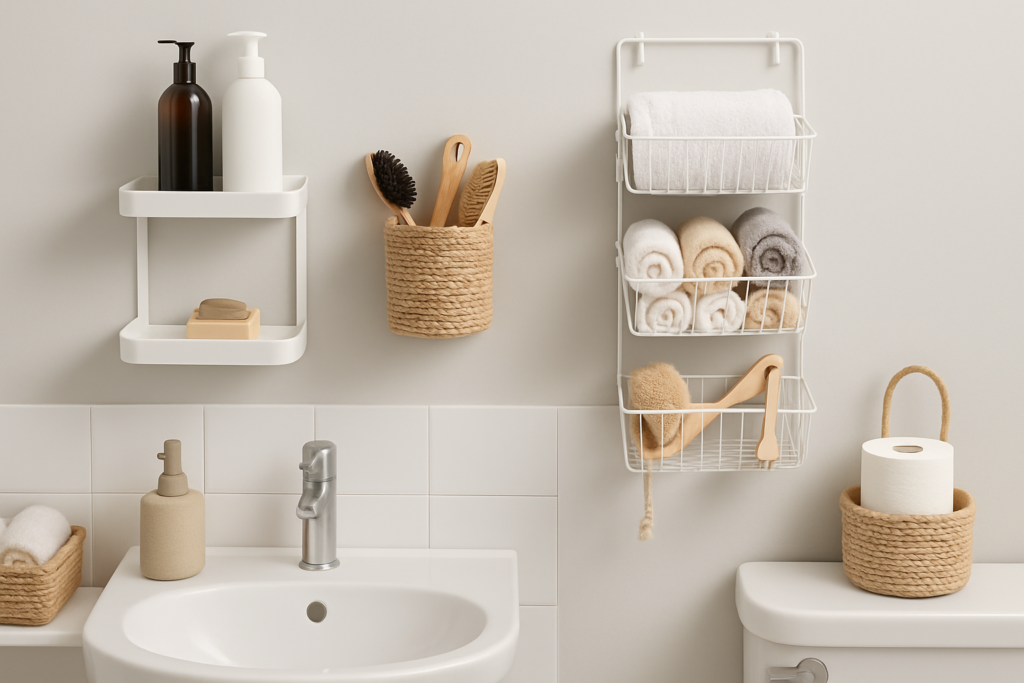
Bathroom storage works best when limited to items you use regularly. Store backup supplies elsewhere to keep counters and shower areas clear. A medicine cabinet or single drawer should hold everything you need daily.
Over-toilet storage adds space without cluttering walls or floors. Choose options with doors to hide personal items while maintaining clean lines.
Living Spaces That Breathe
Living room storage should be nearly invisible. Entertainment centers that close completely hide electronic clutter. Coffee tables with hidden storage keep remotes and magazines accessible but contained.
Built-in storage always looks more intentional than freestanding furniture, but floating shelves can create a similar effect. Mount them to display a few meaningful objects rather than filling every inch of shelf space.
Baskets tucked under side tables or benches provide quick storage for throw blankets or children’s toys. Choose neutral colors that blend with your existing furniture rather than becoming focal points themselves.
Sterilite 15 Quart Gasket Box
These clear, stackable boxes maximize closet storage while keeping contents visible and dust-free.
Maintaining Your Minimalist Organization
Successful minimalist organization requires saying no to new items that don’t serve clear purposes. Before buying anything, ask yourself where it will live and what you’ll remove to make space for it.
Schedule regular decluttering sessions rather than waiting until spaces feel overwhelming. A monthly 15-minute sweep through each room catches accumulating items before they become problematic.
When storage solutions stop working, modify them rather than adding more containers. Often, the problem isn’t insufficient storage but items that have outlived their usefulness.
Seasonal Adjustments
Minimalist organization adapts to seasonal changes without requiring major overhauls. Store off-season clothing in under-bed boxes or high closet shelves. Rotate decorative objects rather than displaying everything simultaneously.
Keep seasonal storage simple with just two containers: one for items currently in use and another for off-season storage. This system prevents accumulating multiple containers that eventually become storage problems themselves.
Common Mistakes to Avoid
Don’t buy storage solutions before decluttering. You might discover you need less storage than you originally thought. This approach also prevents investing in containers that don’t fit your actual needs.
Avoid storage systems that require complicated maintenance. If returning items to their homes takes multiple steps, the system will eventually break down.
Don’t hide clutter instead of addressing it. Minimalist organization means owning appropriate amounts of things, not just concealing excess items in attractive containers.
Budget-Friendly Minimalist Storage
Quality storage doesn’t require expensive investments. Glass jars from food purchases make excellent pantry storage. Wooden boxes from craft stores provide attractive organization for drawers and shelves.
Repurpose items you already own before buying new storage. Small bowls organize jewelry, and unused baskets corral bathroom supplies.
Invest gradually in storage solutions rather than trying to organize your entire home at once. This approach lets you discover what actually works in your space before committing to expensive systems.
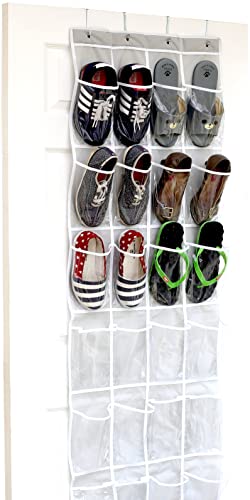
Simple Houseware Crystal Clear Over the Door Hanging Shoe Organizer
Beyond shoes, these clear pockets organize cleaning supplies, accessories, or craft materials while maximizing door space.
Frequently Asked Questions
How do I organize a small space without making it feel cramped?
Focus on vertical storage and choose pieces that serve multiple functions. Floating shelves, over-door organizers, and furniture with hidden storage maximize space without adding visual bulk. Keep surfaces mostly clear to maintain an open feeling.
What’s the difference between minimalist organization and regular organization?
Minimalist organization starts with owning fewer items, making storage solutions simpler and more effective. Regular organization often focuses on finding space for everything you own, while minimalist organization questions whether you need everything in the first place.
How often should I declutter to maintain minimalist organization?
Monthly mini-sessions work better than annual major purges. Spend 15 minutes each month reviewing one area of your home. This prevents clutter from accumulating and keeps your organizational systems functioning smoothly.
Can minimalist organization work with kids and families?
Absolutely. Family minimalist organization focuses on keeping toys and items that children actually play with regularly. Rotate toys seasonally and involve kids in choosing what to keep. Simple storage solutions like labeled bins make cleanup easier for everyone.
This article contains affiliate links. We may earn a small commission at no extra cost to you.