The sound of a running toilet can drive you crazy. That constant trickle of water running in the background isn’t just annoying, it’s literally money going down the drain. A running toilet can waste up to 200 gallons of water per day, which translates to roughly competitively priced extra on your monthly water bill.
Before you call a plumber and fork over competitively priced for a service call, take 15 minutes to try fixing it yourself. Most toilet running issues stem from three simple problems that require no special tools or plumbing experience. You probably have everything you need already sitting in your toolbox.
I’ve fixed dozens of running toilets over the years, and 90% of the time, it comes down to a warped flapper, incorrect chain length, or wrong water level. Once you know what to look for, these fixes become second nature.
Tools and Materials You’ll Need
Gather these items before you start:
- Rubber gloves (optional but recommended)
- Adjustable pliers
- Small bucket or cup
- Towel
- Flashlight or phone light
You might also need replacement parts depending on what you find. A basic toilet repair kit costs competitively priced and includes the most common replacement parts: flappers, chains, and fill valve components.
Step 1: Identify the Problem
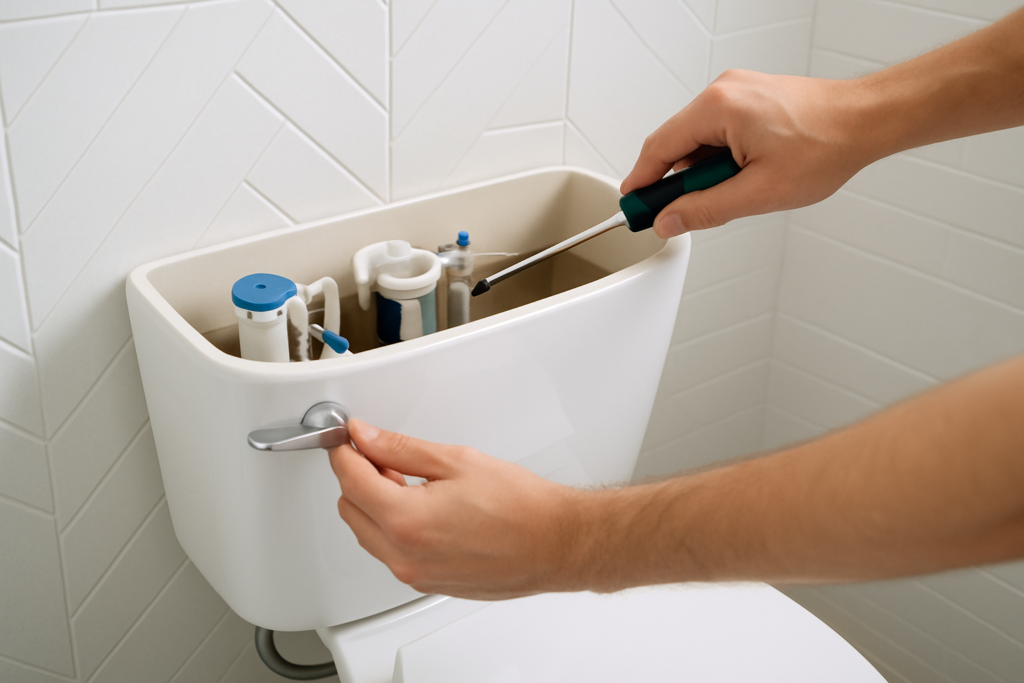
Remove the toilet tank lid and set it aside in a safe place where it won’t fall or crack. Tank lids are surprisingly expensive to replace, usually running competitively priced-80.
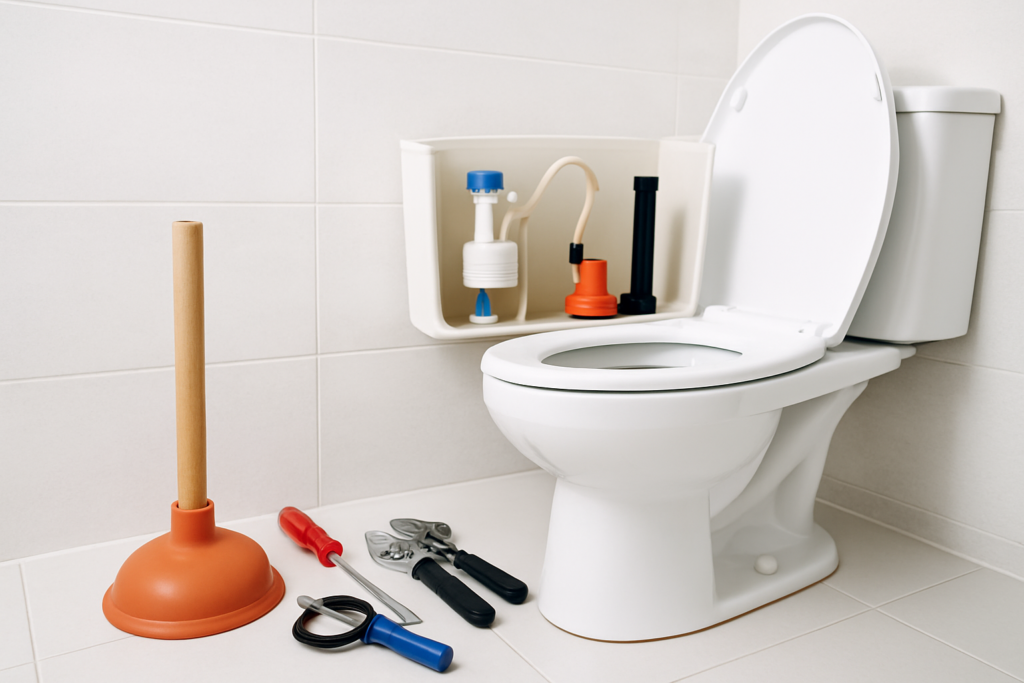
Look inside the tank while the toilet is running. You’ll see water either continuously filling the tank, draining through the flush valve, or both. The most common culprits are:
- Warped or misaligned flapper: The rubber seal at the bottom of the tank isn’t sitting properly
- Chain issues: Too long, too short, or tangled
- High water level: Water continuously flowing into the overflow tube
- Worn fill valve: The mechanism that refills the tank won’t shut off
Step 2: Fix the Flapper
The flapper is that rubber disc that covers the hole at the bottom of your tank. When you flush, it lifts up to let water flow into the bowl, then settles back down to seal the tank.
Check if the flapper is sitting flush against the flush valve seat. Mineral deposits, warping, or debris can prevent a proper seal. Run your finger around the flapper’s edge to feel for warping or buildup.
Clean any debris or mineral deposits with a pumice stone or old toothbrush. If the flapper feels warped or cracked, it needs replacement. Universal flappers work for most toilets and cost competitively priced-8.
To replace a flapper, unhook the chain and lift the old flapper off its hinges. The new one snaps on the same way. Make sure it’s centered over the flush valve seat.
Step 3: Adjust the Chain Length
The chain connects the flush handle to the flapper. When it’s too long, the flapper won’t lift high enough during a flush. When it’s too short, it prevents the flapper from sealing properly.
The ideal chain length allows about 1/2 inch of slack when the flapper is seated. You should be able to lift the chain slightly without moving the flapper.
To adjust the chain, move the clip to a different link. Most chains have multiple attachment points on both the handle arm and the flapper. Test your adjustment by flushing the toilet and watching the flapper’s movement.
If the chain keeps tangling, try shortening it further or repositioning the attachment point. Some people zip-tie excess chain links together, but I prefer cutting the chain to the right length with wire cutters.
Step 4: Set the Correct Water Level
Your tank’s water level should sit about 1 inch below the rim of the overflow tube. If it’s higher, water continuously spills into the overflow tube, creating that running sound.
The water level is controlled by the fill valve and float mechanism. Older toilets use a large ball float on an arm, while newer models have a cylinder float that slides up and down a shaft.
Adjusting Ball Float Systems
Gently bend the metal arm downward to lower the water level. The float ball should sit on the water surface when the tank is full. If bending doesn’t work, check that the ball isn’t cracked and filling with water.
Adjusting Cylinder Float Systems
Look for a screw or clip on the float assembly. Turn the screw counterclockwise or move the clip down to lower the water level. These systems are more precise than ball floats and easier to adjust.
Step 5: Replace a Faulty Fill Valve
If adjusting the float doesn’t stop the running, your fill valve might be worn out. Fill valves typically last 7-10 years before needing replacement.
Replacing a fill valve requires shutting off the water supply and disconnecting the water line, which takes this repair beyond the 15-minute timeframe. However, you can try this quick fix first: lift the float manually. If the water stops running, the fill valve is salvageable with adjustment.
For a permanent fix, Fluidmaster fill valves are reliable and widely available competitively priced-20. The Fluidmaster 400AH is my go-to recommendation for most standard toilets.
Testing Your Repair
After making adjustments, test your work by flushing the toilet several times. Watch the entire cycle: flush, tank refill, and automatic shutoff. The tank should fill to the correct level and stop completely within 30-60 seconds.
Listen carefully for any running sounds. Even a slight trickle indicates the problem isn’t fully resolved. Check that the flapper seats properly after each flush and the chain doesn’t catch on anything.
Replace the tank lid and flush one more time to ensure everything works with the lid in place. Sometimes the lid’s weight can affect the handle mechanism slightly.
Prevention Tips
Regular maintenance prevents most running toilet issues. Every six months, remove the tank lid and inspect the flapper, chain, and water level. Clean mineral deposits with white vinegar and a soft brush.
Avoid using drop-in toilet bowl cleaners that contain bleach. These tablets can deteriorate rubber flappers and other tank components, leading to premature failure.
If you have hard water, consider installing a water softener. Mineral buildup accelerates wear on toilet components and makes adjustments necessary more frequently.
When to Call a Professional
Some toilet problems require professional help. Call a plumber if you encounter:
- Cracked toilet tank or bowl
- Loose toilet base (could indicate wax ring failure)
- Multiple toilets running simultaneously (possible main line issue)
- Water damage around the toilet base
- Repeated problems after multiple DIY attempts
Professional repairs make sense when the toilet is old and multiple components need replacement. Sometimes replacing the entire toilet is more cost-effective than piecemeal repairs.
FAQ
Why does my toilet start running randomly during the day?
Random running usually indicates a slow leak from the flapper. The tank water level drops gradually until the fill valve kicks on to refill it. This cycle repeats every few hours. Check the flapper for warping or debris that prevents proper sealing.
How much water does a running toilet actually waste?
A continuously running toilet can waste 1-5 gallons per minute, depending on the severity of the leak. That translates to 1,440-7,200 gallons per day. Even a small leak wastes 30-50 gallons daily, adding competitively priced-15 to your monthly water bill.
Can I use my toilet while it’s running?
Yes, you can use a running toilet normally. The running water doesn’t affect flushing performance or safety. However, fix the problem quickly to avoid wasting water and money. Running toilets often get worse over time rather than resolving themselves.
What if my toilet keeps running after I tried these fixes?
If basic adjustments don’t solve the problem, you likely need to replace the fill valve or there’s an issue with the flush valve seat. These repairs require more time and potentially professional help. Document what you’ve tried so far to help a plumber diagnose the issue quickly.
This article contains affiliate links. We may earn a small commission at no extra cost to you.