Your hardwood floors have seen better days. The finish is worn thin, scratches crisscross the surface, and you’re weighing your options. Should you tackle refinishing yourself or call in the professionals? The answer depends on your budget, skill level, and how much you value your weekends.
Both approaches can restore your floors to their former glory, but they come with vastly different price tags and time commitments. DIY refinishing can save you thousands of dollars but demands significant effort and carries real risks. Professional refinishing costs more upfront but delivers guaranteed results with minimal disruption to your life.
Let’s break down the true costs of each option so you can make an informed decision that fits your situation and budget.
DIY Hardwood Floor Refinishing: The Complete Cost Breakdown
Taking on floor refinishing yourself involves more than just renting a sander. You’ll need multiple pieces of equipment, various materials, and considerable time investment to do the job properly.
Equipment Rental Costs
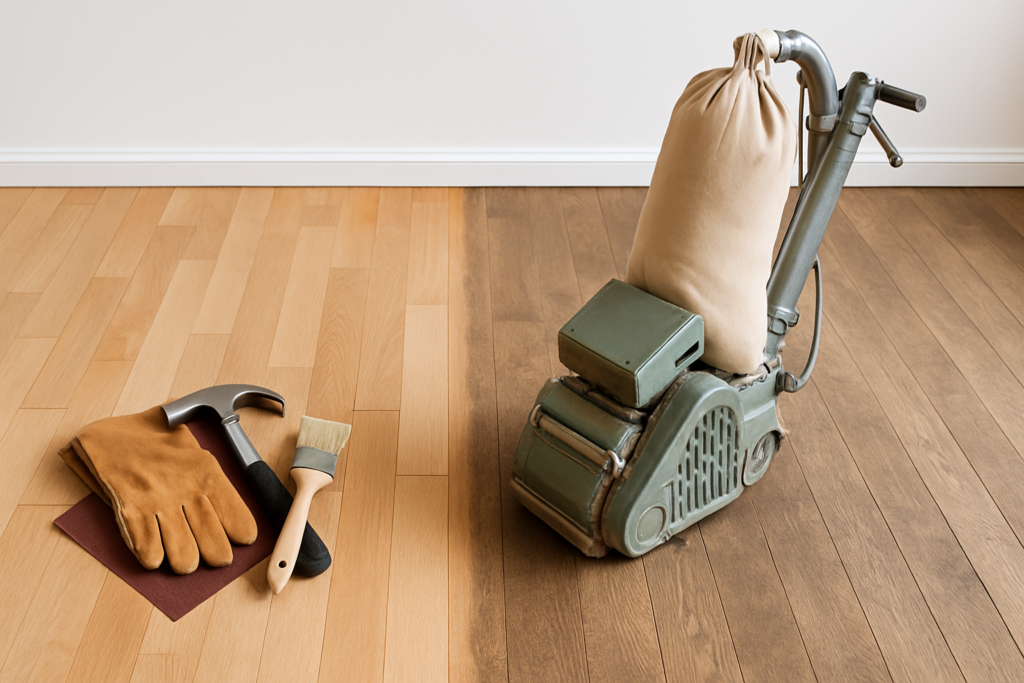
The biggest expense in DIY refinishing is equipment rental. You’ll need a drum sander for the main work, an edger for perimeters, and potentially an orbital sander for final smoothing.
Drum sander rentals typically competitively priced-60 per day, while edger rentals run competitively priced-40 daily. Most projects require 2-3 days of sanding work, depending on your floor’s condition and size. You’ll also need dust masks, knee pads, and hearing protection.
Some homeowners opt for alternatives to traditional drum sanders. Random orbital sanders designed for floors offer more forgiving operation for beginners, though they work slower than drum sanders.
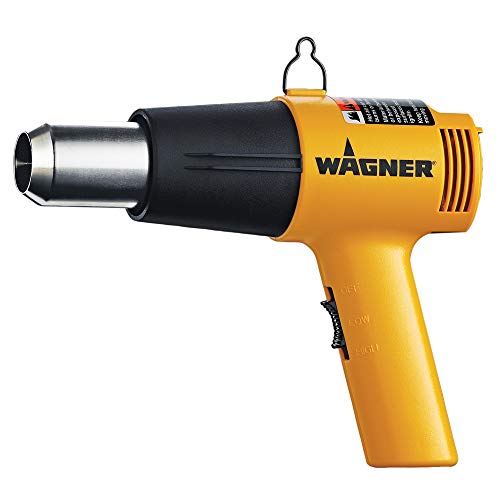
PORTER-CABLE Random Orbit Sander
A user-friendly alternative to drum sanders that reduces the risk of gouging your floors
Materials and Supplies
Sandpaper represents another significant cost. You’ll need multiple grits, starting with coarse (36-40 grit) and progressing through medium (60-80 grit) to fine (100-120 grit). Plan on spending competitively priced-300 on sandpaper depending on your floor size and condition.
Polyurethane finish is your largest material expense. Water-based finishes cost more than oil-based options but dry faster and have less odor. Budget competitively priced-400 for finish, depending on your square footage and desired number of coats.
Don’t forget wood stain if you’re changing colors (competitively priced-100), plastic sheeting to contain dust (competitively priced-40), and brushes or applicators for finish (competitively priced-50). High-quality applicator pads make a significant difference in your final finish quality.
Time Investment Reality Check
DIY refinishing takes much longer than most homeowners expect. A typical 500 square foot room requires 3-5 days of active work, spread over 7-10 days to allow for drying time between coats.
Your schedule will look like this: Day 1-2 for sanding, Day 3 for cleaning and potential staining, Days 4-7 for applying and curing finish coats. Each polyurethane coat needs 4-6 hours to dry before you can apply the next one.
Professional Hardwood Floor Refinishing Costs
Professional refinishing costs vary significantly based on your location, floor condition, and chosen contractor. Understanding what goes into professional pricing helps you evaluate quotes more effectively.
Labor and Service Costs
Professional refinishing typically competitively priced-8 per square foot, with most homeowners paying competitively priced-5 per square foot for standard refinishing. This includes sanding, staining (if desired), and applying multiple finish coats.
Higher-end contractors charge more but often provide better results and warranties. They use commercial-grade equipment that works faster and more evenly than rental machines. Professional sanders can complete in one day what might take you three days with rental equipment.
Geographic location significantly impacts pricing. Urban areas typically cost more than rural locations, and regions with higher living costs see correspondingly higher refinishing prices.
Additional Professional Services
Many contractors offer services beyond basic refinishing. Board replacement for damaged planks competitively priced-15 per square foot. Custom staining or specialty finishes add competitively priced-3 per square foot to base prices.
Some professionals include furniture moving in their base price, while others charge extra. Dust containment systems, while not universal, significantly reduce cleanup time and mess for an additional fee.
Skill Level and Potential Mistakes
Floor sanding requires more skill than many DIY projects. Drum sanders are powerful machines that can gouge floors in seconds if handled improperly. Even experienced DIYers sometimes create waves, scratches, or uneven surfaces that require professional correction.
Common DIY Mistakes and Their Costs
The most expensive mistake is gouging floors with a drum sander. Deep gouges may require board replacement, costing hundreds or thousands depending on damage extent. Starting with too coarse sandpaper or moving too slowly creates similar problems.
Finish application errors are equally costly. Bubbles, streaks, or contamination from dust or debris create surfaces that need complete sanding and refinishing. Poor ventilation during application can cause slow curing or cloudy finishes.
Inadequate dust removal between coats creates rough surfaces. Professional contractors use specialized vacuums and tack cloths to achieve perfectly clean surfaces. Microfiber tack cloths help remove fine dust particles that regular cloths miss.
Libman Microfiber Tack Cloth
Essential for removing fine dust between finish coats for professional-quality results
Learning Curve Considerations
Most rental centers provide basic operating instructions, but mastering proper sanding technique takes practice. Consider starting in closets or less visible areas to develop your technique before tackling main living spaces.
YouTube tutorials help, but hands-on experience differs significantly from watching videos. Plan extra time for your first refinishing project as you learn proper techniques and work speeds.
Long-Term Value Analysis
Both DIY and professional refinishing add value to your home, but the quality difference affects long-term durability and appearance. Professional work typically includes warranties and uses higher-grade materials and application techniques.
Durability Differences
Professional refinishing often lasts longer due to superior surface preparation and finish application. Professionals achieve more even sanding, better dust removal, and more consistent finish thickness. These factors contribute to longer-lasting results.
DIY refinishing can match professional durability if executed properly, but achieving professional-level results requires significant attention to detail and proper technique. Shortcuts in sanding or finishing often reduce longevity.
Resale Value Impact
Both approaches increase home value, but buyers often prefer professionally refinished floors. Professional work suggests proper maintenance and attention to detail throughout the home. DIY work can achieve similar value increases if results look professional.
Real estate agents note that obviously amateur refinishing work can actually hurt home values. Visible imperfections, uneven staining, or poor finish quality signals potential problems to buyers.
Making the Right Choice for Your Situation
Choose DIY refinishing if you have significant time availability, enjoy challenging projects, and want maximum cost savings. Your floors should be in relatively good condition without extensive damage requiring expert repair.
When DIY Makes Sense
DIY works best for smaller projects, floors in decent condition, and homeowners with some woodworking experience. You’ll save 50-70% compared to professional costs but invest considerable time and effort.
Consider DIY if you can work around extended project timelines. Unlike professionals who complete projects in 2-3 days, DIY projects often take 1-2 weeks due to equipment rental schedules and learning curves.
Having proper dust collection equipment makes DIY projects much more manageable. Shop vacuums with fine dust filters help contain mess and improve finish quality.
DEWALT Shop Vacuum
Powerful suction and fine filtration make cleanup easier and improve finish results
When to Choose Professional Services
Choose professionals for large projects, severely damaged floors, or when time is limited. Professional work makes sense if DIY costs approach 60-70% of professional quotes, especially considering time value and risk factors.
Professionals excel at problem floors requiring extensive repairs, custom staining, or specialty finishes. Their experience handling unusual situations often produces better results than DIY attempts on challenging projects.
Consider professionals if you lack storage space for equipment or live in apartments where dust containment is critical. Professional dust collection systems significantly reduce mess compared to DIY setups.
Total Cost Comparison
For a typical 500 square foot room, DIY costs range from competitively priced-1200 including all materials, equipment rental, and supplies. The same room professionally refinished competitively priced0-4000 depending on location and contractor choice.
DIY savings become more significant on larger projects. A 2000 square foot home might competitively priced0-3500 for DIY refinishing versus competitively priced0-16000 for professional work. However, larger projects increase mistake risks and time commitments proportionally.
Factor in your hourly wage when calculating true DIY savings. If professional refinishing competitively priced0 more than DIY but saves 40 hours of your time, the effective additional cost is competitively priced per hour for professional convenience and expertise.
Frequently Asked Questions
Can I refinish engineered hardwood floors myself?
Engineered floors can be refinished, but only once or twice due to their thin wear layer. The margin for error is much smaller than with solid hardwood. Professional refinishing is often recommended for engineered floors to avoid sanding through the wear layer, which would require complete floor replacement.
How long do I need to stay out of my home during refinishing?
Professional refinishing typically requires staying elsewhere for 2-3 nights due to finish fumes and drying requirements. DIY projects often allow you to stay home by working room by room, though you’ll deal with dust and finish odors for longer periods. Water-based finishes reduce odor and drying time for both approaches.
Is it worth refinishing floors before selling my home?
Refinishing floors before selling typically provides positive return on investment, especially if current floors show significant wear. Professional refinishing often yields better returns due to quality perception, but DIY refinishing still increases home value if executed well. Focus on main living areas for maximum impact.
What’s the biggest risk with DIY floor refinishing?
The biggest risk is irreversible damage from improper sanding technique. Drum sanders can create deep gouges in seconds, potentially requiring expensive board replacement or complete floor replacement in extreme cases. Practice proper technique and start slowly to minimize risks. Consider professional help if you’re uncomfortable with power tool operation.
This article contains affiliate links. We may earn a small commission at no extra cost to you.