The crisp air and changing leaves signal it’s time for one of the most important seasonal routines every homeowner faces. Fall home maintenance isn’t just about keeping up appearances. It’s your best defense against costly winter repairs and energy bills that’ll make you cringe.
Most homeowners tackle these tasks haphazardly, scrambling to winterize their homes when the first freeze warning hits the news. But smart property owners know that a systematic approach, prioritized by urgency and weather dependence, makes all the difference between a cozy winter and a season of emergency repair calls.
This checklist breaks down 25 essential fall maintenance tasks into three priority levels, complete with realistic timelines for completion. Whether you’re a seasoned DIYer or prefer calling in professionals, you’ll know exactly what needs attention and when.
High Priority Tasks (Complete by Early October)
These tasks directly impact your safety, comfort, and wallet once temperatures drop. Don’t postpone them.
1. Professional Heating System Inspection
Schedule your HVAC technician now, before everyone else remembers they need furnace service. A professional inspection catches problems early and ensures your system runs efficiently all winter. Clean or replace filters, check ductwork for leaks, and verify carbon monoxide detectors work properly.
Most heating failures happen during the first cold snap when systems kick on after months of sitting idle. Don’t be that person calling for emergency service on the coldest day of the year.
2. Chimney and Fireplace Cleaning
Hire a certified chimney sweep to remove creosote buildup and inspect for structural damage. Check the damper operation and ensure the chimney cap and screen are intact. A blocked or damaged chimney creates serious fire and carbon monoxide risks.
3. Gutter Cleaning and Inspection
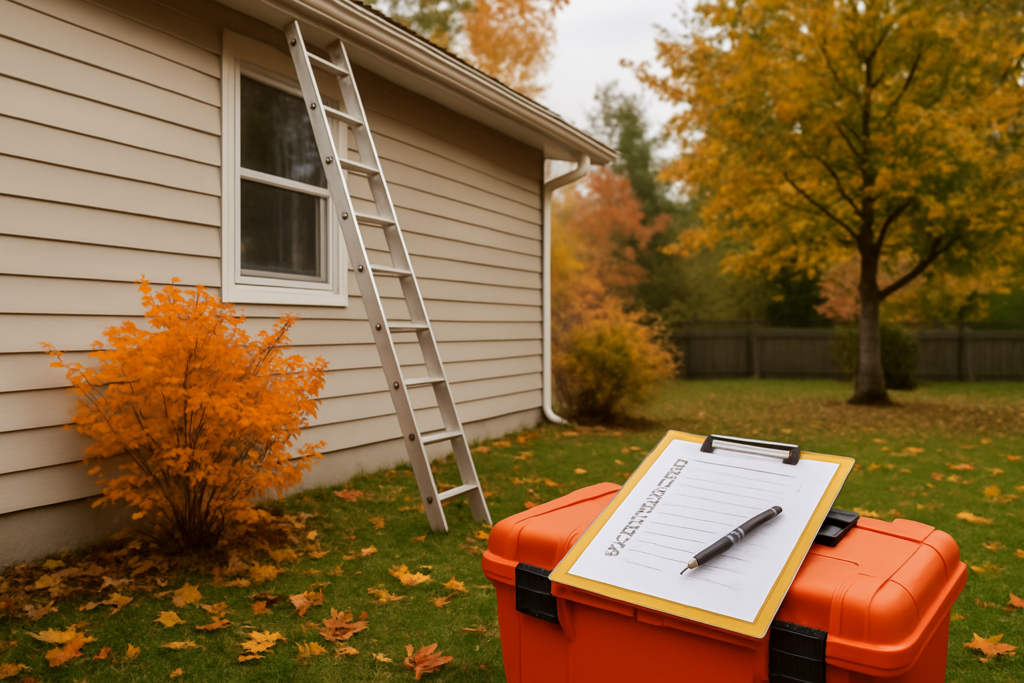
Clean gutters prevent ice dams that can cause thousands in water damage. Remove all debris, check for loose brackets, and ensure downspouts direct water at least six feet from your foundation. Look for rust spots or separating joints that need repair.
Pay special attention to gutters over entryways and garages where ice dams commonly form. These areas often need extra insulation or improved ventilation.
Gutter Cleaning Kit with Extension Pole
Makes gutter cleaning safer and more thorough from ground level
4. Roof Inspection
Examine shingles for damage, missing granules, or loose edges. Check flashing around chimneys, vents, and skylights for cracks or gaps. Small roof issues become major problems once snow and ice get involved.
Use binoculars for safety if you’re not comfortable climbing on your roof. Document any issues with photos for contractors if professional repairs are needed.
5. Window and Door Weatherstripping
Replace worn weatherstripping around doors and windows. Test for air leaks by holding a lit incense stick near frames on a breezy day. Smoke movement reveals gaps that waste energy and money.
Don’t forget basement windows and doors leading to unheated spaces like garages. These often-overlooked areas can be major sources of heat loss.
6. Exterior Caulking
Re-caulk around windows, doors, and any exterior penetrations where utilities enter your home. Remove old, cracked caulk completely before applying new material. Proper caulking prevents both air leaks and water infiltration.
7. Storm Window Installation
Install storm windows or switch to storm panels if you have combination units. Check screens for damage and store them properly for next season. Clean windows inside and out while you have easy access.
8. Outdoor Plumbing Winterization
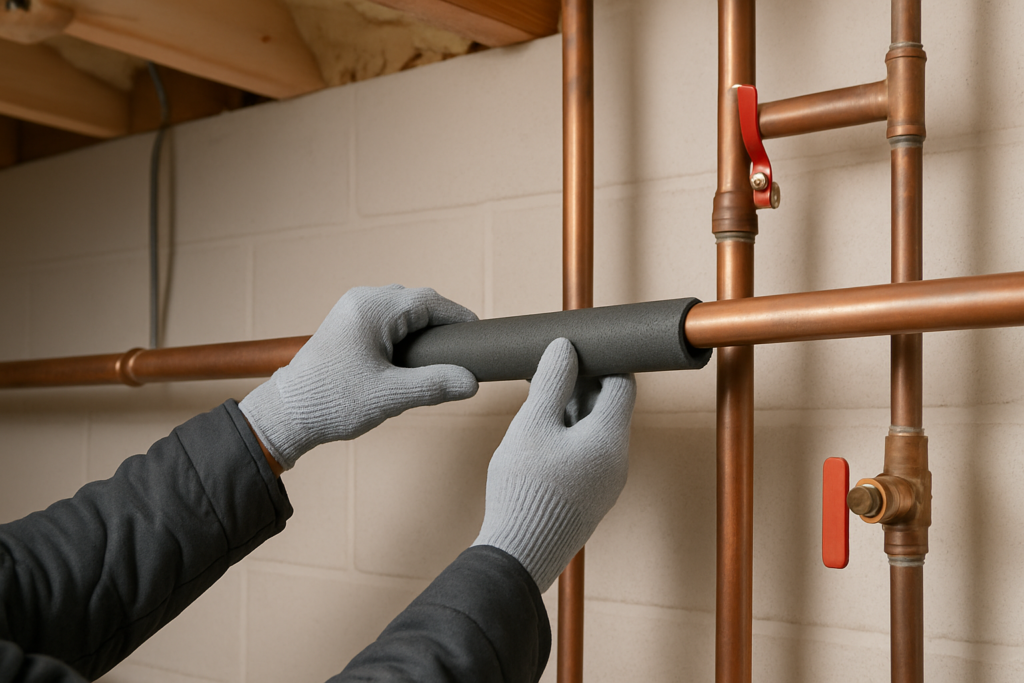
Shut off water to exterior faucets and drain the lines. Remove and store garden hoses indoors. Install faucet covers for extra protection in harsh climates. Frozen pipes cause expensive damage that’s completely preventable.
Medium Priority Tasks (Complete by Late October)
These tasks improve efficiency and prevent problems but won’t cause immediate crises if delayed slightly.
9. Attic Insulation Check
Inspect attic insulation for gaps, compression, or animal damage. Add insulation if you can see floor joists through existing material. Proper attic insulation dramatically reduces heating costs and prevents ice dams.
Seal air leaks around recessed lights, plumbing penetrations, and the attic access hatch. These small gaps have outsized impacts on energy efficiency.
Foam Sealant for Gaps and Cracks
Expands to fill irregular gaps around pipes and wiring penetrations
10. Basement and Foundation Inspection
Look for new cracks in foundation walls or floors. Check for signs of moisture intrusion like mineral deposits or musty odors. Small foundation issues worsen dramatically during freeze-thaw cycles.
Ensure basement windows wells drain properly and consider covers to keep out snow and debris.
11. Outdoor Equipment Storage
Drain and store lawn mowers, tillers, and other gas-powered equipment. Add fuel stabilizer if storing with gas in the tank. Clean tools and apply light oil to metal surfaces to prevent rust.
Store equipment in a dry location and consider covering with tarps for extra protection.
12. Tree and Shrub Maintenance
Trim branches hanging over your roof, power lines, or walkways. Remove dead or diseased limbs that could fall during winter storms. Wrap young trees if your area experiences harsh winds or ice storms.
Don’t forget to rake and dispose of leaves that can harbor pests and diseases over winter.
13. Deck and Patio Winterization
Clean and seal wooden decks if needed. Store or cover outdoor furniture that won’t withstand winter weather. Drain and store ceramic planters that could crack when water freezes inside them.
14. Driveway and Walkway Preparation
Seal cracks in asphalt driveways to prevent water infiltration and expansion damage. Check concrete for loose or uneven sections that create tripping hazards when covered with snow.
Test your snow removal equipment and stock up on ice melt or rock salt. Getting these supplies before the first storm saves money and ensures availability.
15. Garage Door Maintenance
Lubricate hinges, rollers, and tracks with appropriate garage door lubricant. Test the door balance and opener safety features. Cold weather makes mechanical problems worse, and you don’t want to be stuck outside during a storm.
16. Smoke and Carbon Monoxide Detector Testing
Test all detectors and replace batteries even if they’re not chirping yet. Winter’s increased use of heating equipment and fireplaces makes these safety devices critical.
Consider upgrading to detectors with 10-year sealed batteries to eliminate middle-of-the-night battery replacement surprises.
Lower Priority Tasks (Complete by Mid-November)
These maintenance items improve your home’s condition and your winter comfort but won’t cause emergencies if postponed.
17. Air Duct Cleaning
Clean supply and return air ducts, especially if you’ve done renovation work recently. Replace air filters with higher-efficiency options for better indoor air quality during closed-window months.
18. Water Heater Maintenance
Drain several gallons from your water heater tank to remove sediment buildup. Test the pressure relief valve and inspect the unit for signs of corrosion or leaks. Winter’s increased hot water usage puts extra demand on aging systems.
19. Interior Ventilation Fan Cleaning
Clean bathroom and kitchen exhaust fans that work harder during winter when windows stay closed. Remove dust buildup that reduces efficiency and increases noise.
Dryer Vent Cleaning Kit
Essential for preventing dangerous lint buildup in dryer vents
20. Dryer Vent Cleaning
Clean the entire dryer vent system from inside the house to the exterior termination. Lint buildup creates fire hazards and reduces efficiency, especially important when dryers run more frequently in winter.
21. Refrigerator Coil Cleaning
Vacuum dust from refrigerator coils located either behind or underneath the unit. Clean coils improve efficiency and extend appliance life. Your refrigerator works harder in heated indoor air during winter months.
22. Ceiling Fan Adjustment
Reverse ceiling fans to clockwise rotation for winter operation. This pushes warm air down from the ceiling, improving comfort and reducing heating costs. Clean fan blades while you’re adjusting the direction.
23. Humidifier Preparation
Clean and inspect whole-house or portable humidifiers before winter use. Replace filters and check for mineral buildup. Proper humidity levels between 30-50% improve comfort and protect wood furnishings.
Dry winter air can cause respiratory irritation and damage to hardwood floors and furniture.
24. Emergency Supply Check
Stock emergency supplies including flashlights, batteries, bottled water, and non-perishable food. Test battery-powered or hand-crank radios. Check expiration dates on emergency medications and first aid supplies.
Winter storms can cause extended power outages, making emergency preparedness essential for family safety and comfort.
25. Professional Service Scheduling
Schedule any needed professional services like carpet cleaning, window washing, or major appliance maintenance. These services become harder to arrange once winter weather limits technician availability.
Creating Your Personal Timeline
Start with high-priority tasks that depend on good weather, like roof work and exterior caulking. Schedule professional services early since contractors get busy as temperatures drop.
Dedicate one weekend day per week to maintenance tasks, focusing on 3-4 items per session. This approach prevents overwhelm while ensuring steady progress.
Keep a maintenance log with completion dates and notes about any issues discovered. This record helps with warranty claims and guides future maintenance scheduling.
Frequently Asked Questions
How early should I start fall home maintenance?
Begin high-priority tasks by early September, especially in northern climates where cold weather arrives quickly. This timing allows flexibility for unexpected repairs and ensures availability of professional services before peak demand.
Which tasks require professional help versus DIY?
Heating system inspection, chimney cleaning, and electrical work require licensed professionals for safety and insurance reasons. Most other tasks are suitable for DIY completion with proper tools and safety precautions. When in doubt, prioritize safety over cost savings.
What’s the most commonly overlooked fall maintenance task?
Cleaning dryer vents and bathroom exhaust fans top the list of forgotten tasks. These systems work harder during winter when windows stay closed, making proper ventilation crucial for air quality and fire prevention.
How much should I budget for fall home maintenance?
Professional services like HVAC inspection and chimney cleaning typically represent the largest expenses, while most DIY tasks require only basic supplies and tools. Budget for unexpected repairs discovered during inspections, as addressing small problems now prevents expensive emergency fixes later.
This article contains affiliate links. We may earn a small commission at no extra cost to you.