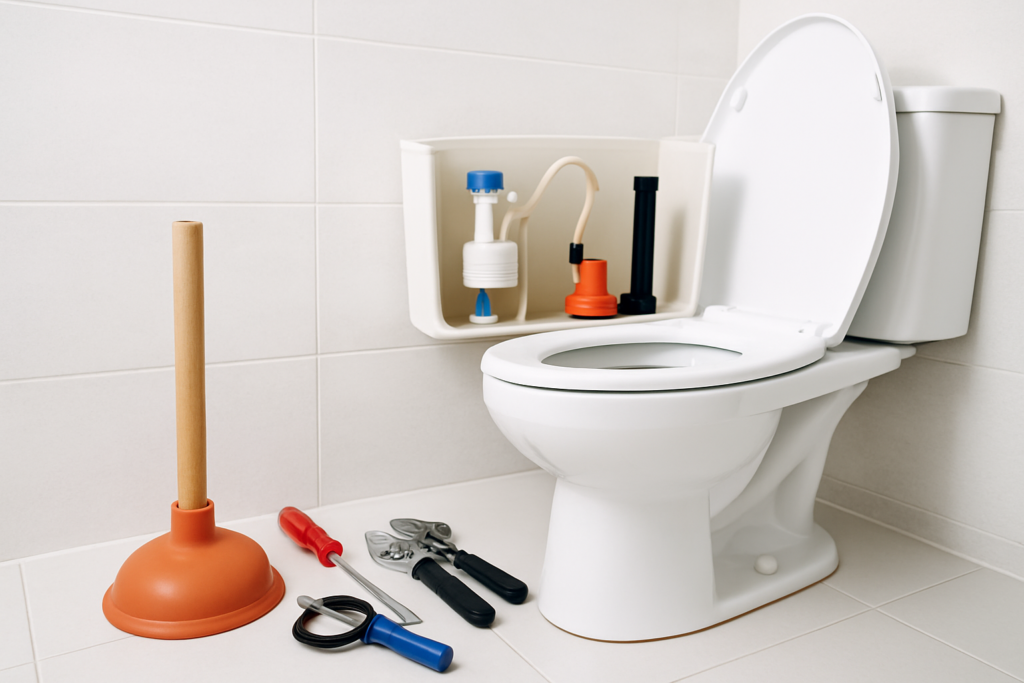
Nothing ruins your morning quite like discovering a burst pipe or a toilet that won’t stop overflowing. When plumbing disasters strike, especially outside normal business hours, having the right tools and supplies on hand can mean the difference between a minor inconvenience and thousands of dollars in water damage.
Most homeowners think calling a plumber is their only option during emergencies, but many common plumbing problems can be temporarily fixed or controlled until professional help arrives. With a well-stocked emergency plumbing kit, you’ll be prepared to handle everything from leaky pipes to clogged drains, potentially saving yourself both money and frustration.
Here’s what every homeowner should have ready for those unexpected plumbing crises that always seem to happen at the worst possible moments.
Essential Tools for Every Emergency Plumbing Kit
1. Adjustable Wrench Set
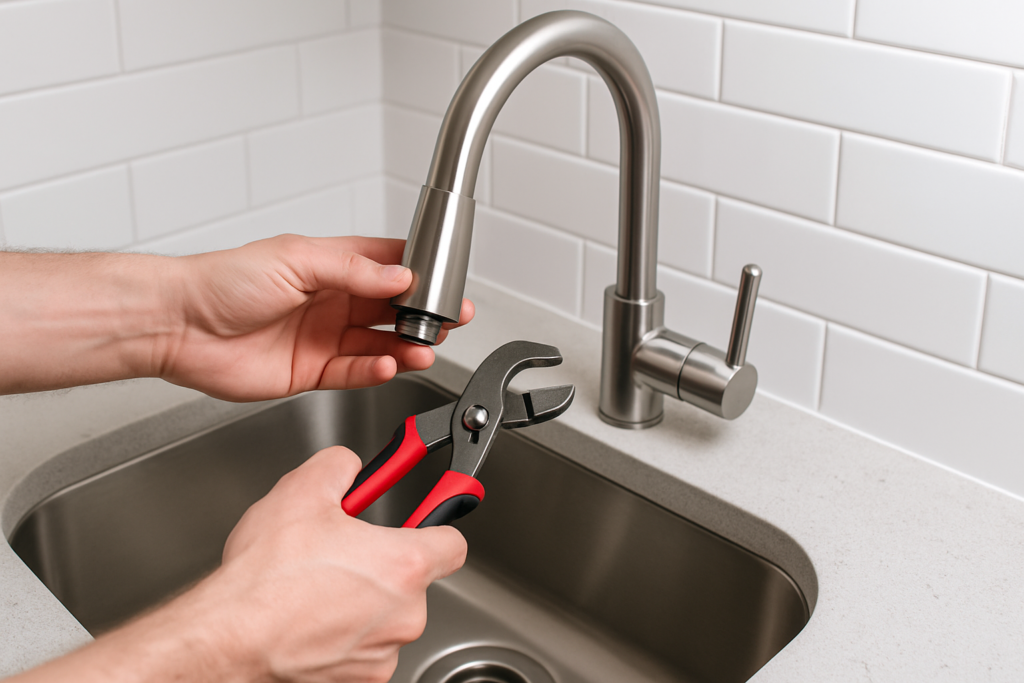
An adjustable wrench is your best friend when dealing with nuts, bolts, and fittings. You’ll need at least two sizes: a smaller 8-inch wrench for tight spaces and a larger 12-inch wrench for bigger jobs. Quality matters here because cheap wrenches can strip nuts and make your problem worse.
Keep both wrenches clean and lightly oiled to prevent rust. Store them in your kit wrapped in cloth to prevent them from banging against other tools.
2. Pipe Wrench
While similar to an adjustable wrench, a pipe wrench has serrated jaws designed specifically for gripping round pipes. A 14-inch pipe wrench handles most residential plumbing tasks. The teeth bite into the pipe material, giving you the leverage needed to loosen stubborn connections.
Remember that pipe wrenches can damage decorative finishes, so use them only on pipes where appearance doesn’t matter or wrap the pipe with cloth first.
3. Plungers
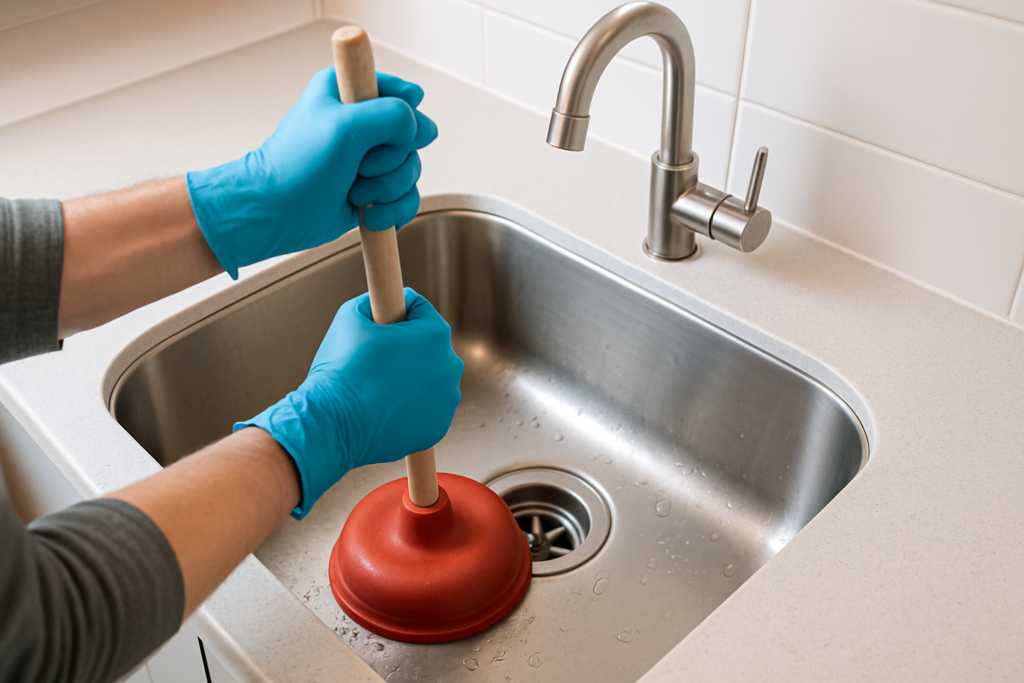
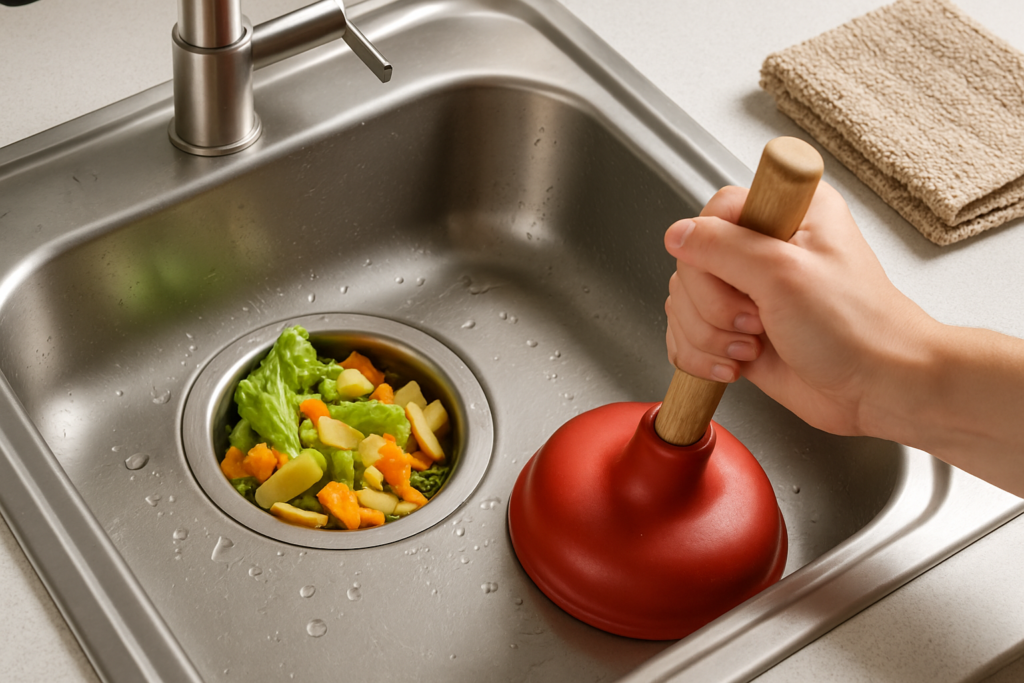
You need two types of plungers, not just one. A cup plunger works best for sinks and tubs with flat surfaces, while a flange plunger (the one with the extended rubber piece) is designed specifically for toilets. Many people use toilet plungers on sinks, which is less effective and unsanitary.
Store your plungers clean and dry. After each use, disinfect them and let them air dry completely to prevent mold and bacteria growth.
4. Drain Snake or Auger
A 25-foot drain snake can clear most residential drain clogs that plungers can’t handle. Look for one with a hand crank and interchangeable heads. Electric versions work faster but aren’t necessary for emergency kits.
RIDGID 59787 K-3 Toilet Auger
Professional-grade toilet auger that won’t scratch porcelain surfaces
Practice using your drain snake before you need it in an emergency. The technique takes some getting used to, and you don’t want your first attempt to be during a crisis.
Critical Repair Materials
5. Pipe Repair Clamps
Pipe repair clamps provide a temporary fix for split or leaking pipes. They work on various pipe materials and sizes. Stock clamps for the most common pipe sizes in your home, typically 1/2-inch, 3/4-inch, and 1-inch.
These clamps can hold for months when properly installed, giving you time to schedule permanent repairs. Make sure you know your pipe sizes beforehand by measuring them and writing the information down.
6. Pipe Repair Tape and Putty
Self-amalgamating tape bonds to itself and creates a waterproof seal around leaking pipes. Unlike regular tape, it doesn’t have adhesive but fuses together under pressure. Wrap it tightly around the damaged area, stretching it as you go.
Pipe repair putty works on wet surfaces and hardens into a durable patch. It’s perfect for pinhole leaks and small cracks. Both products are temporary fixes but can buy you valuable time.
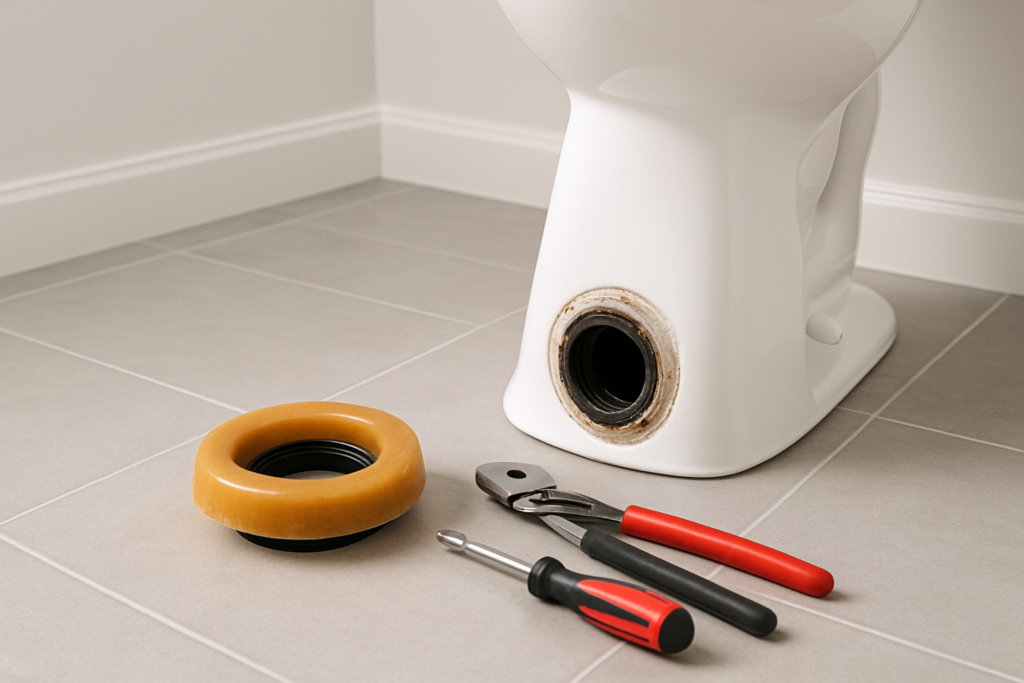
7. Rubber Washers and O-Rings
Keep an assortment of rubber washers and O-rings in various sizes. These inexpensive parts often cause leaks when they deteriorate. A simple washer replacement can fix a dripping faucet or running toilet.
Store these in a clear container with dividers so you can quickly find the right size. Label common sizes for faucets, toilet connections, and appliance hoses.
8. Plumber’s Putty
Plumber’s putty creates watertight seals around drains and faucet bases. It stays pliable longer than other sealants, making it easy to work with and remove if needed. Don’t use it on porous surfaces like marble, as it can cause staining.
A small container goes a long way. Keep it sealed tightly to prevent it from drying out.
Emergency Supplies for Water Control
9. Bucket and Large Towels
Multiple buckets help catch water from leaks and provide a place to bail out overflowing fixtures. Choose buckets with pour spouts for easier emptying. Keep several old towels specifically for plumbing emergencies since they’ll likely get pretty gross.
Microfiber towels absorb more water than regular cotton towels and dry faster. Stock both types for different cleanup needs.
10. Plastic Sheeting
Heavy-duty plastic sheeting protects floors and furniture from water damage while you work. It’s also useful for temporary patches over larger damaged areas. Get 6-mil thickness for durability.
Pre-cut several pieces in useful sizes and store them folded with duct tape nearby for quick deployment.
11. Duct Tape
Quality duct tape has dozens of emergency plumbing uses, from securing plastic sheeting to temporarily patching small leaks. Don’t buy the cheapest tape since it won’t stick well to wet surfaces.

Gorilla Tough & Wide Duct Tape
Superior adhesion and waterproof performance make it ideal for emergency repairs
Keep your duct tape in a cool, dry place. Heat and humidity can affect its adhesive properties over time.
Specialized Items for Common Problems
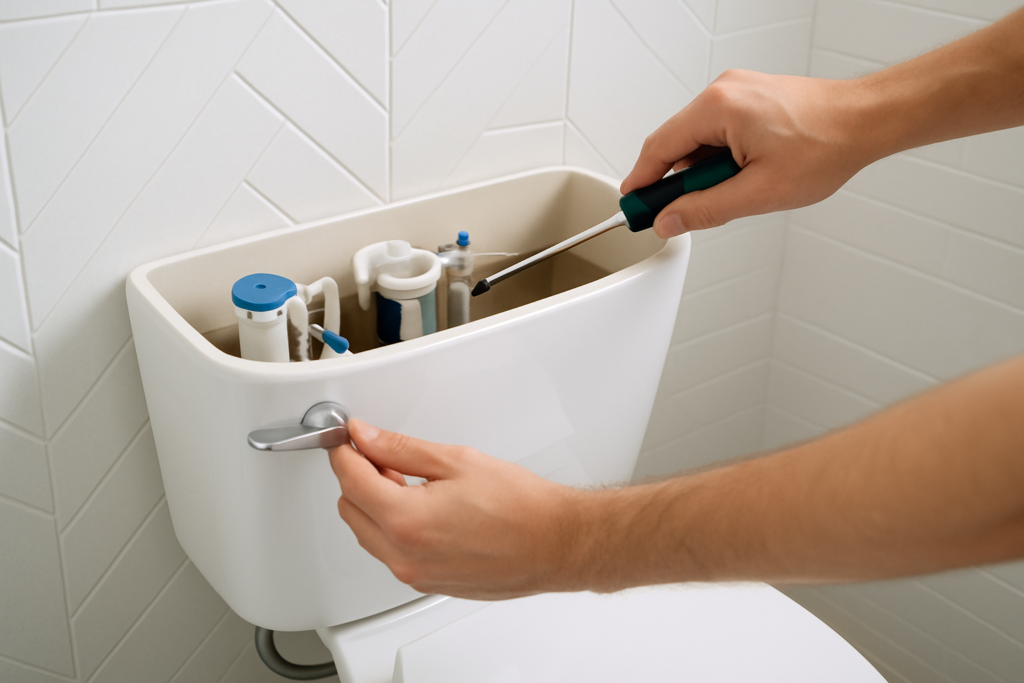
12. Toilet Flapper and Chain
Toilet flappers warp and deteriorate over time, causing running toilets that waste water and money. Keep a universal flapper and chain in your kit. Most modern toilets use standard sizes, but measure yours to be sure.
Installing a new flapper usually takes less than five minutes and can solve the most common toilet problems.
13. Pipe Insulation
Foam pipe insulation prevents frozen pipes in winter and reduces condensation in summer. It’s also useful for temporarily protecting exposed pipes after repairs. Pre-slit foam tubes slide right over pipes without tools.
Measure your pipes and stock insulation for the most vulnerable areas, typically in crawl spaces, basements, and exterior walls.
14. Water Meter Key
A water meter key lets you shut off water to your entire house when the main shutoff valve is stuck or inaccessible. Different municipalities use different key types, so check yours and buy the matching tool.
Orbit 4-Way Sillcock Key
Works with most common water meter types and outdoor spigots
Practice using your water meter key before an emergency. Some meters are harder to turn than others, and you might need leverage or penetrating oil.
15. Flashlight and Headlamp
Plumbing problems often occur in dark spaces like basements, crawl spaces, and behind fixtures. A good LED flashlight and hands-free headlamp are essential. Choose models with long battery life and consider rechargeable options.
Keep extra batteries in your kit and check them regularly. Dead batteries during an emergency add unnecessary stress to an already difficult situation.
Creating Your Emergency Action Plan
Having the right tools means nothing if you don’t know how to use them effectively. Create a simple action plan for common emergencies and keep it with your kit.
First, locate your main water shutoff valve and test it annually. A stuck valve during a major leak can cause extensive damage. Mark its location clearly and ensure all family members know where to find it.
Second, identify the shutoff valves for individual fixtures like toilets, sinks, and appliances. These let you isolate problems without shutting off water to your entire house.
Third, know when to call a professional. Your emergency kit can handle temporary fixes, but some problems require immediate professional attention, including gas leaks, sewer backups, and major pipe bursts.
Storage and Maintenance Tips
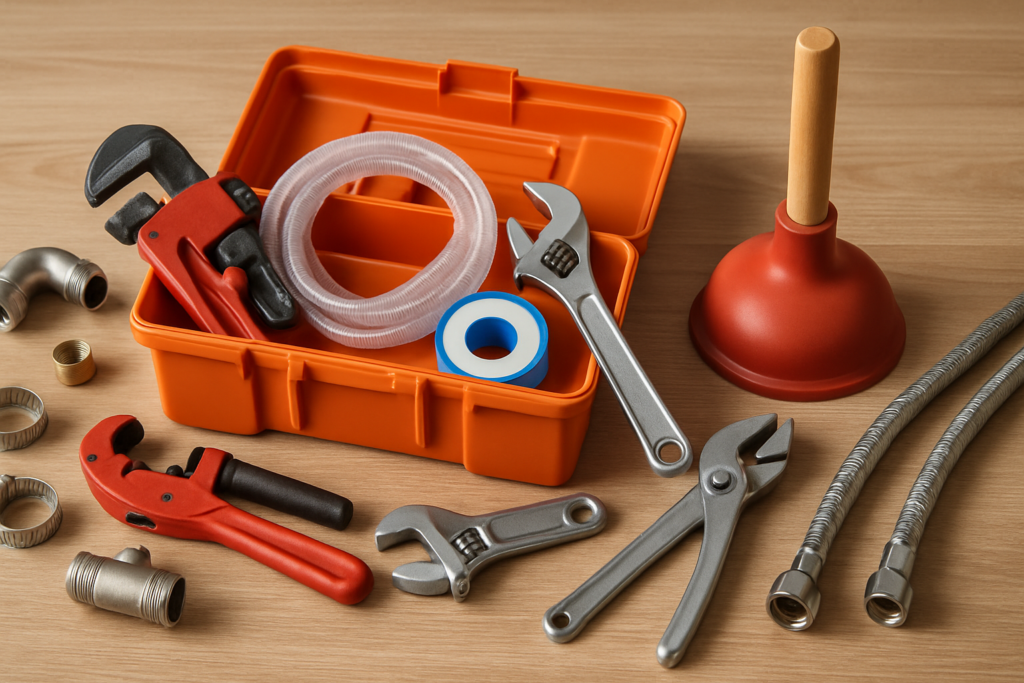
Store your emergency plumbing kit in a waterproof container in an easily accessible location. A large toolbox or plastic storage bin works well. Avoid storing it in areas that might flood or freeze.
Check your kit every six months. Replace expired items, ensure tools are clean and functional, and update your emergency contact list. Batteries lose charge over time, and rubber items can deteriorate.
Label everything clearly and include basic instructions for family members who might need to use the kit. A simple laminated card with shutoff valve locations and emergency phone numbers can save precious time.
CRAFTSMAN Home Tool Kit
Complete starter set that covers most basic plumbing tool needs in one purchase
When to Call a Professional
Emergency kits handle temporary fixes, but some situations require immediate professional help. Call a plumber right away for sewer line backups, which can pose serious health risks. Gas leaks near water heaters or other appliances also need immediate professional attention.
Major pipe bursts that you can’t control with your shutoff valves require emergency plumbing services. Don’t attempt to repair pipes that supply critical appliances like water heaters or washing machines unless you’re confident in your skills.
Electrical issues combined with water problems are particularly dangerous. If water is near electrical outlets, panels, or appliances, turn off power at the breaker and call both a plumber and electrician.
Frequently Asked Questions
How much should I spend on an emergency plumbing kit?
A well-stocked emergency plumbing kit can be assembled for a reasonable cost when you focus on quality basics rather than expensive specialty tools. Start with the most essential items like wrenches, plungers, and repair tape, then add other supplies over time. The money you save on just one emergency service call will likely cover your entire kit cost.
Can I use these tools if I have no plumbing experience?
Most emergency plumbing fixes are simple enough for beginners, especially temporary repairs that buy you time until professional help arrives. However, take time to learn basic techniques when you’re not under pressure. Watch online tutorials and practice using your tools so you’re ready when emergencies strike.
How long do emergency plumbing repairs typically last?
Emergency repairs are designed to be temporary solutions, not permanent fixes. Pipe clamps and repair tape can last several months when properly applied, while drain clearing and simple valve replacements might solve problems permanently. Always plan to have temporary repairs professionally evaluated and replaced with permanent solutions when convenient.
Where should I store my emergency plumbing kit?
Choose a location that’s easily accessible but protected from temperature extremes and moisture. A garage, basement, or utility closet usually works well. Avoid storing the kit where it might get damaged by the same water problems you’re trying to fix. Make sure all family members know where to find it.
This article contains affiliate links. We may earn a small commission at no extra cost to you.