Commercial cleaning products can cost a small fortune, and most are packed with harsh chemicals you probably can’t even pronounce. The good news is that you likely already have the ingredients for powerful, effective cleaners sitting in your pantry right now.
I’ve been making my own cleaning products for over five years, and I’ve tested dozens of recipes to find the ones that actually work. Some DIY cleaning solutions are complete duds, but others outperform their store-bought counterparts while costing a fraction of the price.
These 15 recipes use simple, natural ingredients that are safe for your family and pets. I’ll break down exactly what each cleaner costs compared to commercial versions, plus share storage tips and safety considerations you need to know before mixing your first batch.
Essential Ingredients for Natural Cleaning
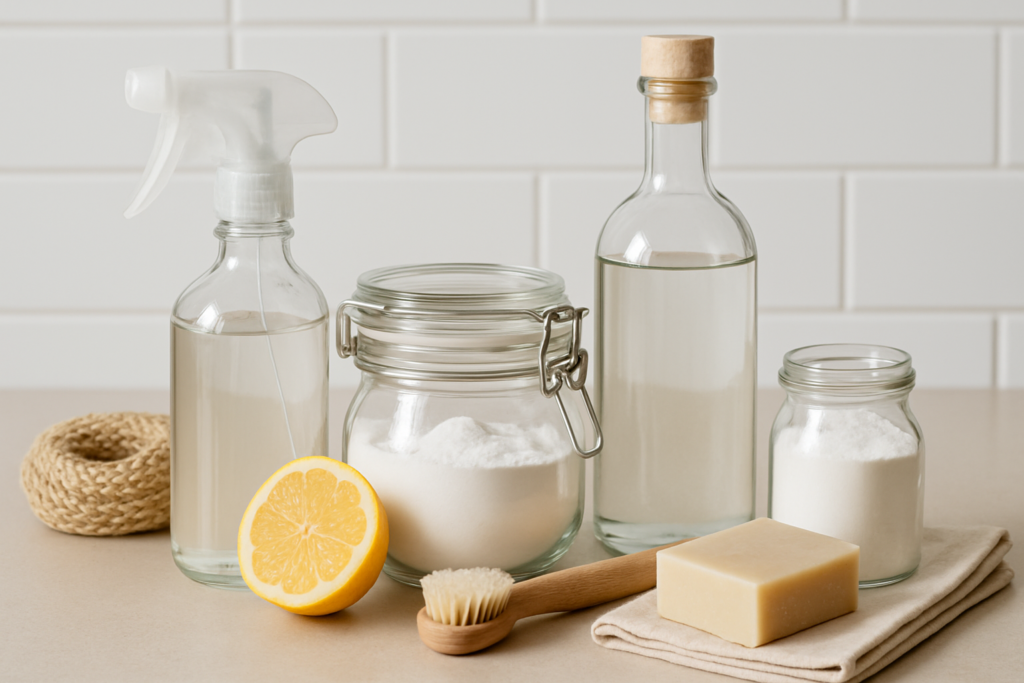
Before we jump into recipes, let’s talk about the powerhouse ingredients you’ll use again and again. White vinegar cuts through grease and mineral deposits while killing most bacteria and viruses. Baking soda works as a gentle abrasive and deodorizer. Castile soap provides cleaning power without synthetic detergents.
Essential oils aren’t just for scent. Tea tree oil has antifungal properties, lemon oil cuts grease naturally, and lavender oil adds antimicrobial benefits. You’ll also want glass spray bottles for storage since some ingredients can break down plastic over time.
Glass Spray Bottles Set
These amber glass bottles protect light-sensitive ingredients and won’t degrade from acidic solutions
Hydrogen peroxide (3% solution) works as a natural bleaching agent and disinfectant. Rubbing alcohol evaporates quickly and leaves surfaces streak-free. Keep these ingredients separate until you’re ready to mix since some combinations lose potency when stored together.
All-Purpose Cleaners
Basic Vinegar All-Purpose Cleaner
This is my go-to recipe for most cleaning tasks. Mix 1 cup white vinegar, 1 cup water, and 10-15 drops of your favorite essential oil in a spray bottle. The vinegar smell dissipates as it dries, leaving behind just the essential oil scent.
This cleaner costs competitively priced per bottle compared to competitively priced-4 for commercial all-purpose cleaners. It works on countertops, appliances, and most surfaces. Avoid using it on natural stone like marble or granite since the acid can etch the surface.
Heavy-Duty Degreasing Spray
For tougher jobs, combine 2 cups warm water, 1/2 cup white vinegar, 1/4 cup rubbing alcohol, and 2 tablespoons liquid castile soap. Add 10 drops of lemon essential oil for extra grease-cutting power.
This formula tackles kitchen grease, sticky residues, and grime that basic cleaners can’t handle. Shake well before each use since the ingredients will separate over time.
Gentle Daily Cleaner
Mix 2 cups water, 1/2 cup white vinegar, and 1 tablespoon castile soap for surfaces that need frequent cleaning. This milder formula works well on electronics, wood furniture, and delicate surfaces.
Bathroom Cleaners
Mold and Mildew Killer
Straight white vinegar in a spray bottle kills 82% of mold species. For stubborn mold, spray the area with vinegar, let it sit for 10 minutes, then scrub with an old toothbrush. Follow up with a hydrogen peroxide spray for extra killing power.
Never mix vinegar and hydrogen peroxide in the same bottle, but you can use them sequentially. The combination is more effective than either ingredient alone.
Toilet Bowl Cleaner
Sprinkle 1/2 cup baking soda around the toilet bowl, then spray with white vinegar. The fizzing action helps lift stains and mineral deposits. Let it sit for 15 minutes before scrubbing with a toilet brush.
For tough stains, make a paste with baking soda and a small amount of water. Apply it to stains and let it sit for 30 minutes before scrubbing.
Shower and Tub Scrub
Combine 1 cup baking soda, 1/4 cup liquid castile soap, and 2 tablespoons water to form a paste. Add 10 drops of tea tree oil for its antifungal properties. This scrub removes soap scum and hard water stains without scratching surfaces.
Baking Soda Bulk Pack
This large container provides excellent value for frequent DIY cleaner makers
Daily Shower Spray
Mix equal parts water and white vinegar with 10 drops of eucalyptus oil. Spray surfaces after each shower to prevent soap scum and mildew buildup. This daily maintenance spray reduces deep cleaning frequency significantly.
Kitchen Cleaners
Oven Cleaner
Make a paste with 1 cup baking soda, 1/3 cup water, and 2 tablespoons liquid castile soap. Spread it on oven surfaces, avoiding heating elements. Let it sit overnight, then spray with vinegar and scrub with a plastic scraper.
This method takes longer than commercial oven cleaners but doesn’t fill your kitchen with toxic fumes. The results are just as effective for most baked-on messes.
Degreasing Dish Soap
Combine 1 cup liquid castile soap, 1 tablespoon white vinegar, 1 tablespoon washing soda, and 10 drops of lemon essential oil. This cuts grease effectively and costs about 30% less than commercial dish soaps.
Washing soda is stronger than baking soda and provides extra degreasing power. You can find it in the laundry aisle or order it online.
Stainless Steel Polish
Mix 1 cup water, 1/4 cup white vinegar, and 2 teaspoons olive oil. Spray on stainless steel appliances and wipe with a microfiber cloth, following the grain direction. The olive oil prevents streaking and adds shine.
Floor and Surface Cleaners
Hardwood Floor Cleaner
Combine 1/2 cup white vinegar, 1 gallon warm water, and 10 drops of orange essential oil. This gentle formula cleans without leaving residue that can dull wood finishes. Always test in an inconspicuous area first.
Avoid using this on waxed floors since vinegar can strip the wax coating. For sealed hardwood floors, this cleaner works beautifully and costs pennies per gallon.
Tile and Grout Cleaner
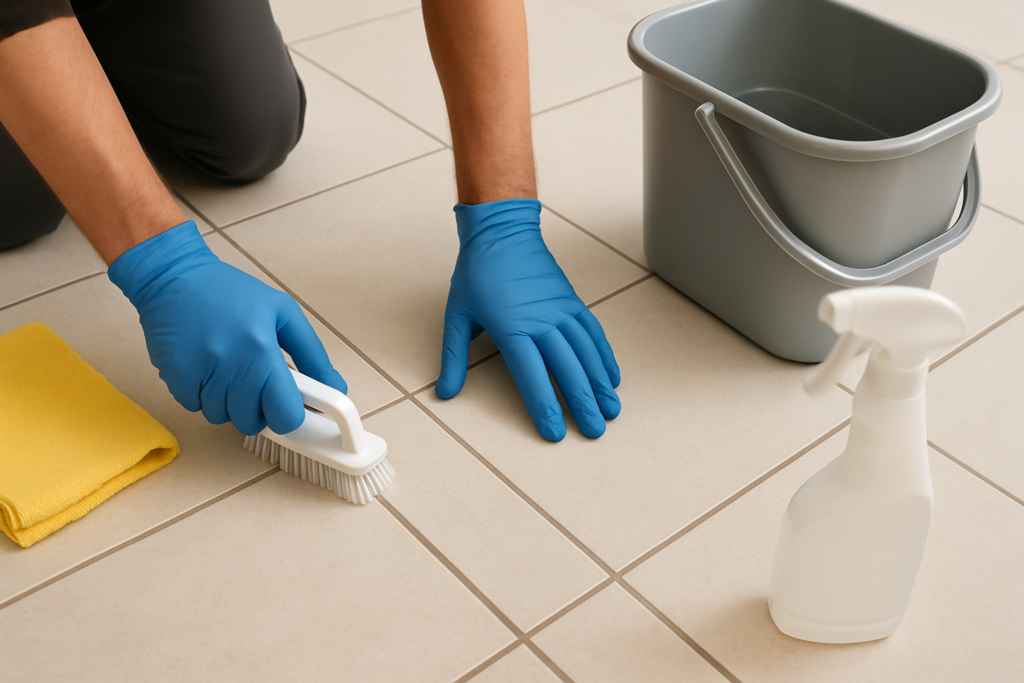
Make a paste with 3 parts baking soda and 1 part water. Apply to grout lines, spray with vinegar, and let the mixture foam for 10 minutes. Scrub with an old toothbrush and rinse thoroughly.
For heavily stained grout, apply the baking soda paste first, then spray with hydrogen peroxide instead of vinegar. The bleaching action helps restore white grout to its original color.
Glass and Mirror Cleaner
Mix 2 cups water, 1/2 cup white vinegar, and 1/4 cup rubbing alcohol. The alcohol helps the solution dry quickly without streaking. Use newspaper or coffee filters instead of paper towels for the clearest finish.
White Vinegar Gallon
Buying vinegar in larger quantities significantly reduces your per-use costs for cleaning recipes
Specialty Cleaners
Carpet Stain Remover
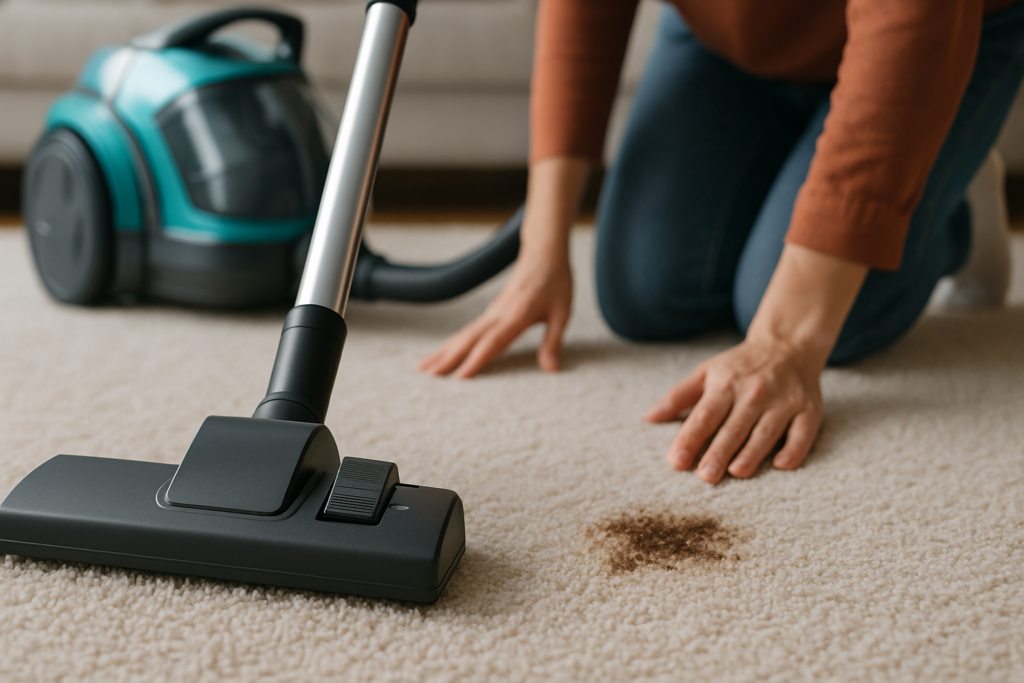
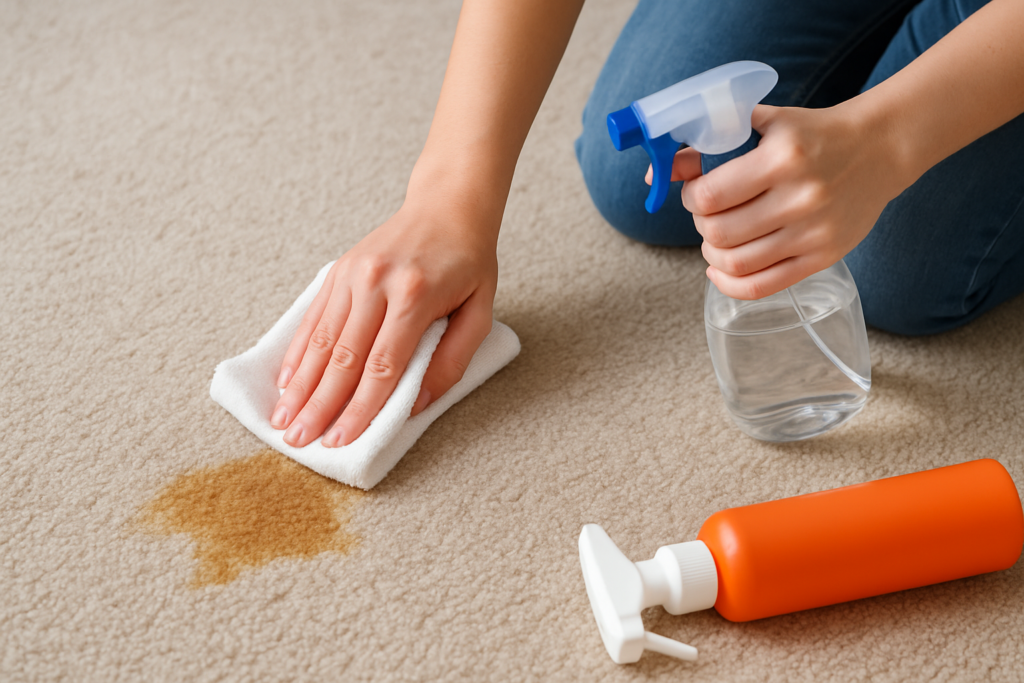
For fresh stains, mix 1 cup water, 1/4 cup white vinegar, and 2 tablespoons liquid castile soap. Spray the stain, let it sit for 5 minutes, then blot with a clean cloth. Work from the outside of the stain toward the center to prevent spreading.
For set-in stains, make a paste with baking soda and water. Apply it to the stain, let it dry completely, then vacuum. This method works especially well on pet stains and odors.
Fabric Softener
Add 1/2 cup white vinegar to your rinse cycle instead of commercial fabric softener. It removes detergent residue and softens fabrics naturally. Add 5-10 drops of essential oil to the vinegar for a pleasant scent.
This costs about 80% less than commercial fabric softeners and works just as effectively. Your clothes will come out soft and static-free.
Cost Comparisons and Savings
The savings with DIY cleaners add up quickly. A typical all-purpose cleaner competitively priced-4 per bottle, while my vinegar-based version costs competitively priced. Specialty cleaners show even bigger savings – commercial oven cleaners can competitively priced-7, while the baking soda version costs under competitively priced.
A family spending competitively priced annually on cleaning products can cut that cost to competitively priced with DIY alternatives. The initial investment in ingredients pays for itself within the first month of use.
Beyond cost savings, you’ll reduce plastic waste from packaging and eliminate exposure to harsh chemicals. Many commercial cleaners contain ingredients linked to respiratory issues and skin irritation.
Storage Tips and Best Practices
Store DIY cleaners in glass containers when possible, especially those containing citrus oils or vinegar. These ingredients can break down plastic over time and absorb plastic flavors.
Label everything clearly with contents and date made. Most DIY cleaners stay effective for 6-12 months when stored properly. Keep them in a cool, dark place away from direct sunlight.
Make smaller batches initially until you know how quickly you’ll use each cleaner. Some ingredients lose potency over time, so fresh batches work better than old ones.
Safety Considerations
Never mix cleaning products, even natural ones. Combining vinegar and hydrogen peroxide creates an unstable acid that can be harmful. Use them separately with rinsing in between.
Don’t mix castile soap with vinegar in storage containers. The acid neutralizes the soap’s cleaning power. You can use them sequentially during cleaning, but mix them fresh each time.
Essential oils are potent and can cause skin irritation in high concentrations. Stick to 10-15 drops per cup of liquid unless a recipe specifically calls for more.
Keep all cleaners away from children and pets, even natural ones. Vinegar and essential oils can be harmful if ingested in large quantities.
Frequently Asked Questions
How effective are DIY cleaners compared to commercial products?
Most DIY cleaners perform as well as or better than commercial alternatives for routine cleaning tasks. Vinegar kills 99% of bacteria, 82% of mold, and 80% of viruses. The main difference is that natural cleaners may require slightly more scrubbing time for heavily soiled areas. However, they’re gentler on surfaces and won’t cause the damage that harsh chemicals can over time.
Can I use these cleaners if I have septic system?
Yes, these natural cleaners are actually better for septic systems than commercial products. The vinegar, baking soda, and castile soap won’t kill the beneficial bacteria that break down waste in your septic tank. Commercial antibacterial cleaners can disrupt this process and cause costly septic problems.
Do I need to worry about bacteria growing in homemade cleaners?
The vinegar and alcohol in these recipes create an environment where harmful bacteria can’t survive. However, avoid adding fresh ingredients like lemon juice or herbs that can introduce bacteria. Stick to essential oils for scenting, and replace cleaners if you notice any changes in smell or appearance.
Why do some recipes call for distilled water?
Distilled water extends shelf life by removing minerals that can cause cloudiness or react with other ingredients. It’s particularly important for glass cleaners where mineral deposits can cause streaking. For most other cleaners, tap water works fine and keeps costs even lower.
This article contains affiliate links. We may earn a small commission at no extra cost to you.