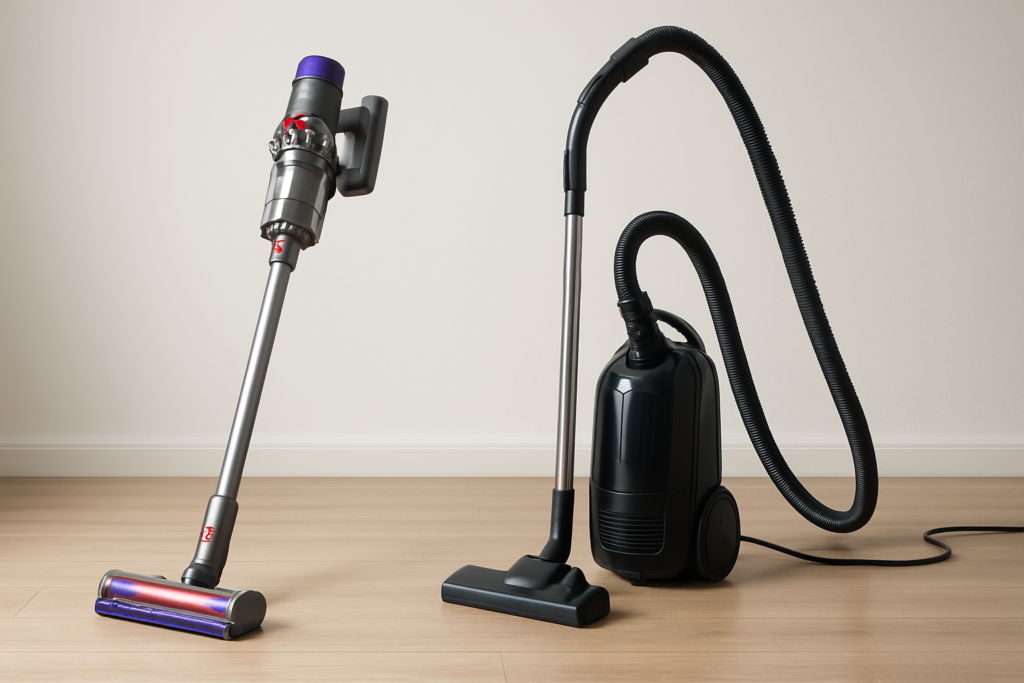
You’re standing in the vacuum aisle, staring at rows of sleek cordless models and traditional corded units, wondering which one will actually make your life easier. The choice isn’t as simple as it seems. Both types have evolved dramatically in recent years, making the decision more complex than just picking between convenience and power.
The vacuum market has split into two distinct camps, each with passionate advocates. Cordless fans swear by the freedom of battery power, while corded loyalists point to consistent suction and unlimited runtime. After testing dozens of models and living with both types for months, I’ve found the answer isn’t universal.
Your home size, cleaning habits, and specific needs will determine which type serves you best. Let me break down the real-world differences to help you make the right choice.
Battery Life: The Reality Check
Cordless vacuum manufacturers love to advertise 60-minute runtimes, but dig deeper into the fine print. Those numbers typically reflect the lowest power setting with no attachments. Switch to high power for carpet cleaning, and you’re looking at 8-12 minutes of actual use time.
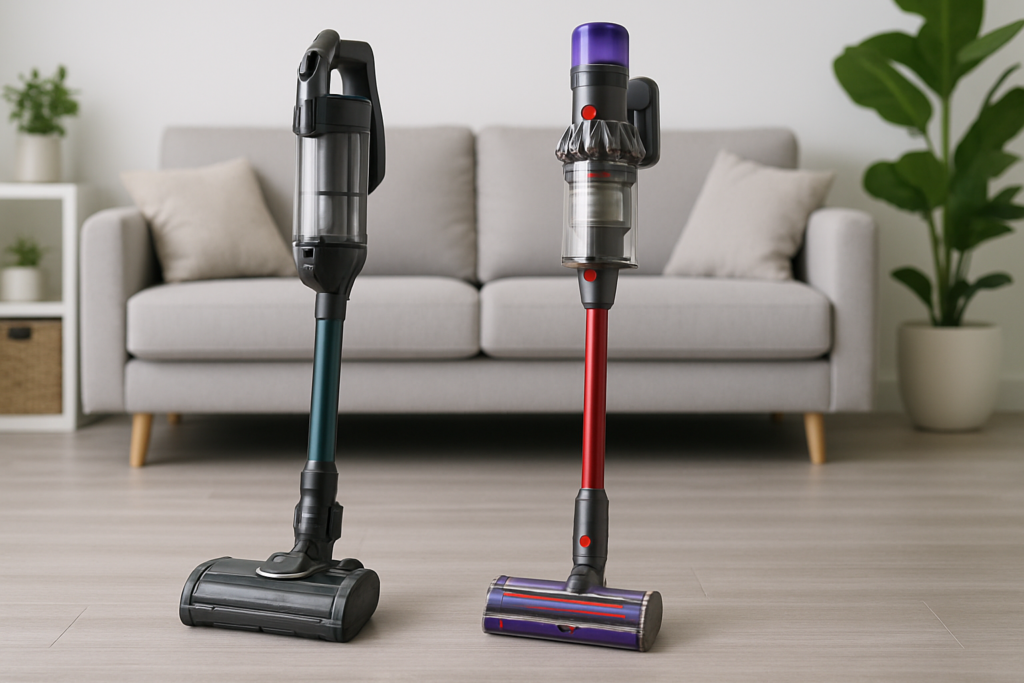
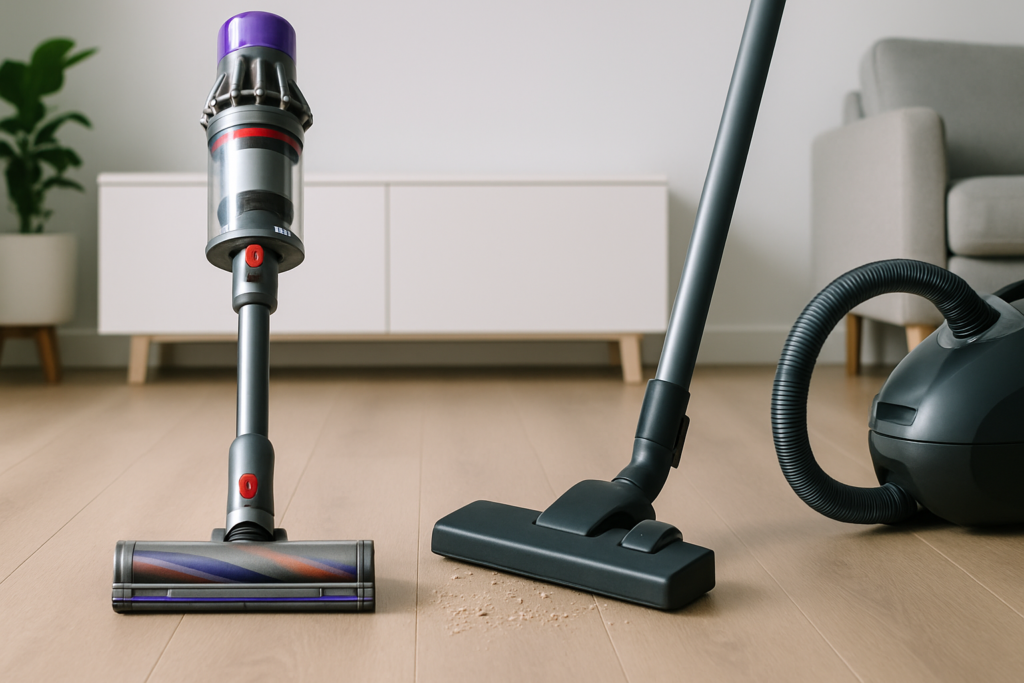
The Dyson V15 Detect, one of the premium cordless models, delivers about 10 minutes on maximum suction. The Shark Vertex Pro runs for roughly 12 minutes on high power. These numbers might sound disappointing, but they’re actually sufficient for most cleaning sessions.
Most people clean one room at a time rather than tackling an entire house in one go. A 10-minute burst easily handles a bedroom, bathroom, or kitchen. For larger homes, you’ll need to plan your cleaning routine around charging cycles or invest in a second battery.
Charging Time Considerations
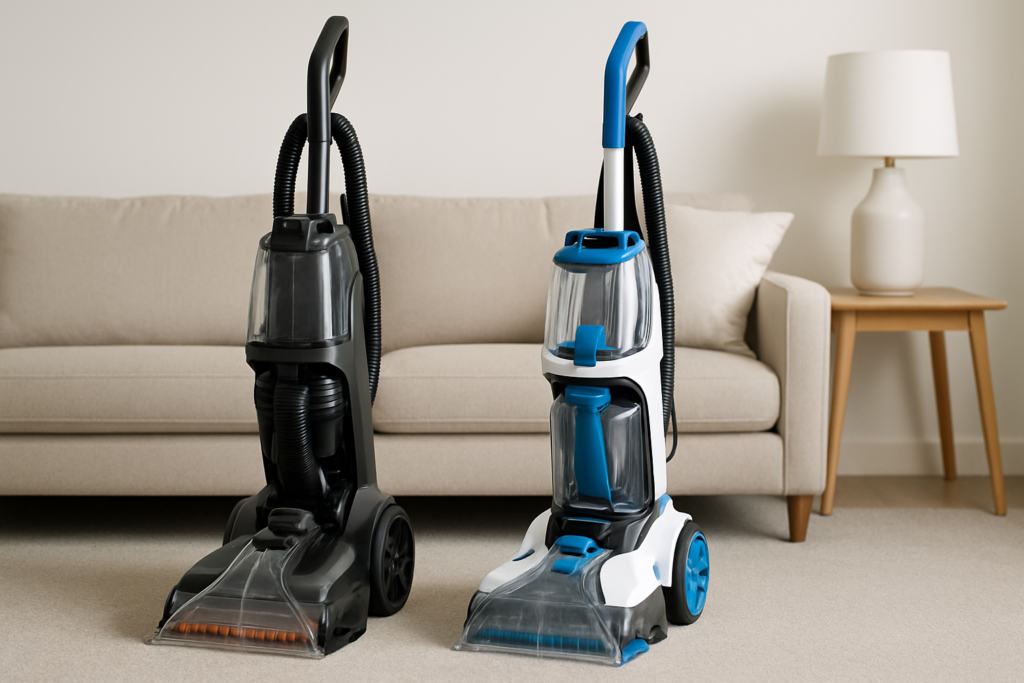
Battery replacement isn’t instant. Most cordless vacuums require 3-5 hours for a full charge. The Tineco Pure One S12 charges in 4 hours, while the Bissell CrossWave Cordless needs 4 hours as well.
If you forget to charge after use, you’re stuck waiting. Some models like the LG CordZero A9 come with removable batteries, letting you swap in a fresh one immediately. This feature adds cost but eliminates downtime.
Suction Power: Numbers vs. Real Performance
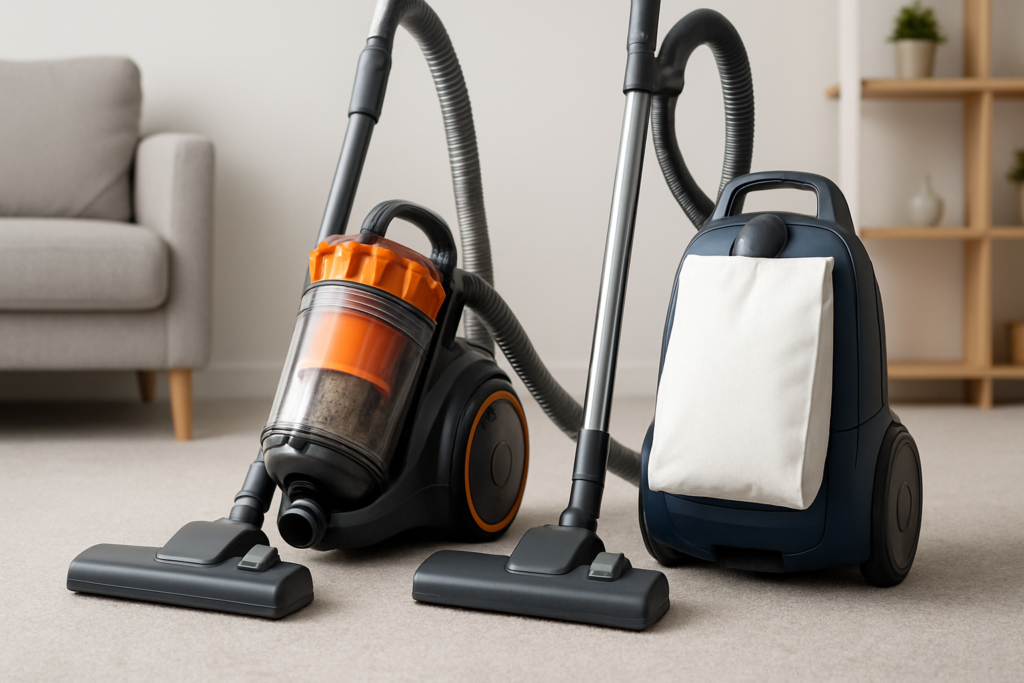
Corded vacuums maintain consistent power throughout your cleaning session. A quality corded model like the Shark Navigator pulls debris with the same intensity from start to finish. Cordless units lose suction as batteries drain, even when they don’t seem “low.”
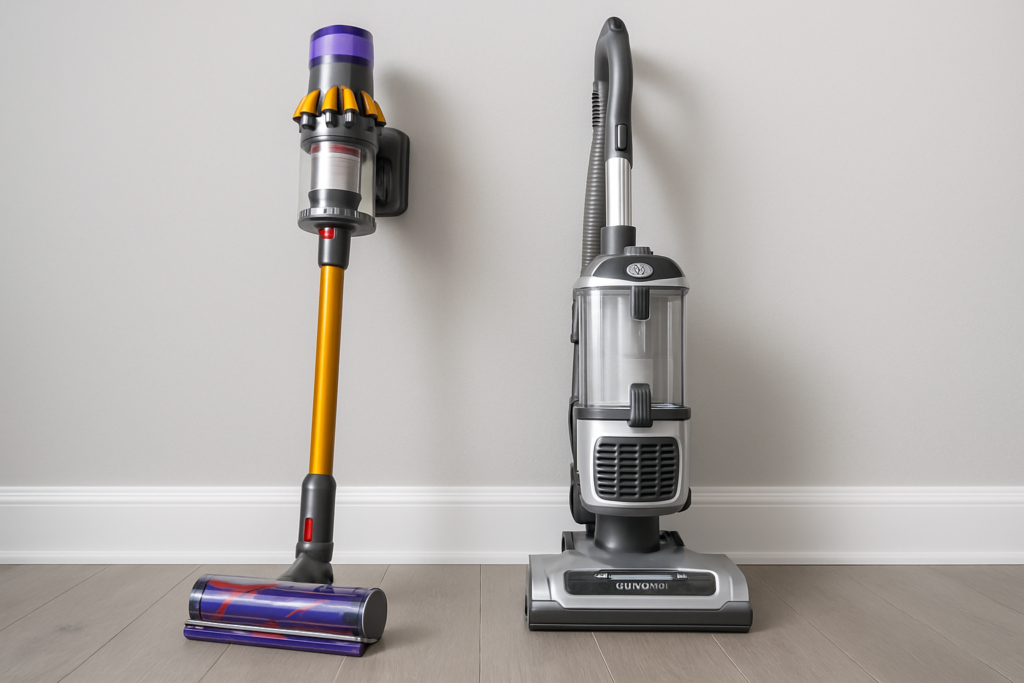
Air watts measure actual cleaning power better than motor watts. Top cordless models produce 150-200 air watts, while powerful corded vacuums generate 300+ air watts. The Miele Complete C3 outputs over 400 air watts of consistent power.
However, raw power doesn’t tell the whole story. Modern cordless vacuums use efficient brush designs and optimized airflow to maximize their limited power. The Dyson V11 cleans carpets nearly as well as many corded models despite lower air watts.
Carpet vs. Hard Floor Performance
Cordless vacuums excel on hard floors where less suction is needed. They struggle more with deep carpet cleaning, especially high-pile rugs. If your home is primarily hardwood, tile, or low-pile carpet, cordless performance will satisfy you.
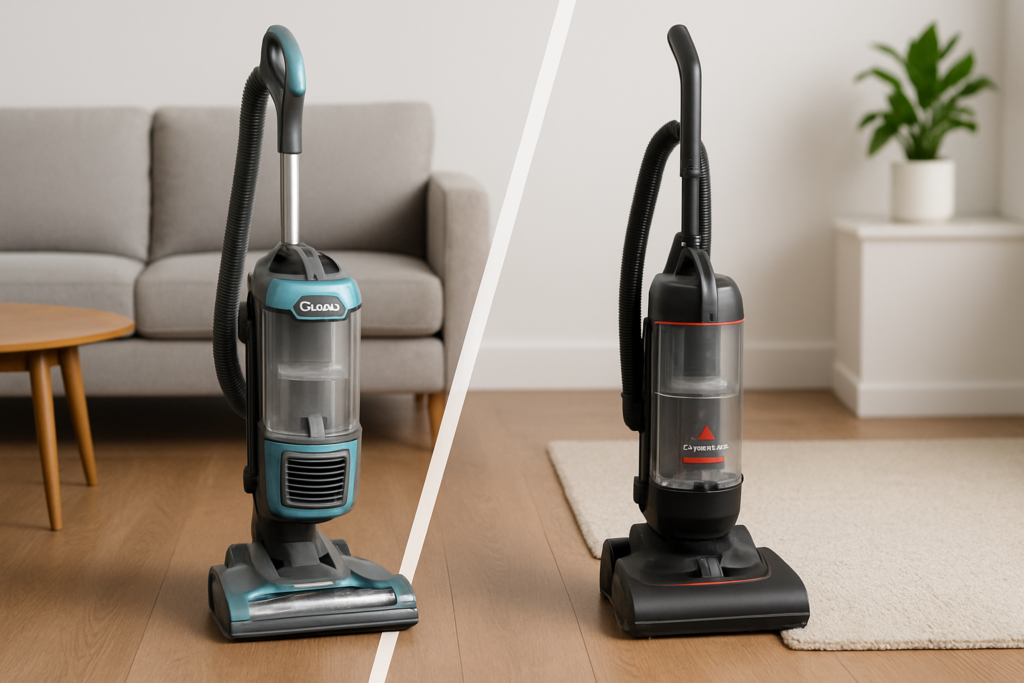
For homes with thick carpeting, pet hair, or heavy debris, corded vacuums provide the sustained power needed for thorough cleaning. The Shark Navigator or Hoover WindTunnel can pull embedded dirt that leaves cordless models struggling.
Convenience Factor: Beyond Just “No Cord”
Cordless vacuums shine in quick cleanup scenarios. Spilled cereal, tracked-in dirt, or pet hair on stairs becomes a 30-second job instead of a 5-minute production of finding outlets and managing cords.
Most cordless models convert to handheld units for car interiors, furniture, or above-floor cleaning. You can vacuum cobwebs from ceiling corners without dragging a full-size machine around. This versatility makes them feel like multiple tools in one.
Storage is simpler too. Wall-mounted charging docks keep cordless vacuums accessible and organized. No more wrestling with cord wrap or finding closet space for bulky canisters.
Mobility and Maneuverability
Lightweight cordless models weigh 4-8 pounds compared to 12-20 pounds for most corded vacuums. Your arms and back will notice the difference during longer cleaning sessions or when carrying the vacuum upstairs.
Eliminating the cord removes the constant dance of unplugging and switching outlets. Large homes with corded vacuums require multiple outlet changes, interrupting your cleaning flow. Cordless units let you move naturally from room to room.
Cost Analysis: Initial and Long-Term
Quality corded vacuums competitively priced-400 for models that last 8-10 years with basic maintenance. The Bissell CrossWave costs competitively priced, while the Shark Navigator runs competitively priced. Replacement parts are inexpensive and widely available.
Premium cordless vacuums start competitively priced and reach competitively priced+ for top models. The Dyson V15 retails competitively priced, while the Tineco Pure One S12 competitively priced. These prices don’t include eventual battery replacement.
Cordless vacuum batteries degrade over time, typically lasting 2-4 years with regular use. Replacement batteries competitively priced-150, adding to the total ownership expense. Some manufacturers don’t offer replacement batteries for older models, forcing complete unit replacement.
Value Over Time
Corded vacuums generally offer better long-term value. A competitively priced corded model that lasts 8 years competitively priced annually. A competitively priced cordless vacuum lasting 4 years (including one battery replacement) competitively priced annually.
Factor in your usage patterns. Light cleaning in small spaces might justify cordless costs through convenience benefits. Heavy-duty cleaning in large homes makes corded models more economical.
Best Use Cases for Cordless Vacuums
Apartments and small homes under 1,500 square feet are ideal for cordless vacuums. You can clean the entire space on one charge, and storage space limitations make compact cordless models attractive.
Homes with multiple levels benefit from cordless convenience. Carrying a lightweight cordless vacuum upstairs beats wrestling with a corded model or buying separate units for each floor.
Quick daily maintenance suits cordless vacuums perfectly. If you prefer frequent light cleaning over weekly deep cleaning, the grab-and-go convenience encourages more regular use.
Specific Scenarios Where Cordless Wins
Pet owners who need daily hair removal from furniture and stairs find cordless models invaluable. The handheld mode tackles pet hair on sofas, car seats, and tight spaces where corded vacuums can’t reach.
Busy families with young children benefit from instant cleanup capability. Spilled snacks, sandbox sand, and craft supplies get cleaned immediately instead of waiting for a convenient time to haul out the big vacuum.
Best Use Cases for Corded Vacuums
Large homes over 2,000 square feet need the unlimited runtime of corded models. You can clean for hours without interruption, tackling whole-house deep cleaning sessions efficiently.
Homes with predominantly carpeted floors, especially medium to high-pile carpets, require the sustained power that only corded vacuums provide. The consistent suction pulls embedded debris that cordless models leave behind.
Professional cleaning or rental property maintenance demands corded reliability. You can’t afford battery failures or limited runtime when cleaning on a schedule.
Heavy-Duty Cleaning Needs
Pet owners with multiple animals need serious suction power for embedded hair and tracked debris. Models like the Shark Navigator Lift-Away or Hoover WindTunnel MAX provide the muscle needed for heavy pet hair removal.
Workshop and garage cleaning requires corded power for sawdust, metal shavings, and heavy debris. Cordless models overheat or clog when tackling construction cleanup or garage maintenance.
Hybrid Solutions and Compromises
Some manufacturers offer corded and cordless versions of the same model. Shark’s Navigator line includes both options, letting you choose based on specific needs while maintaining familiar features and attachments.
Convertible models like the Shark Vertex Pro Lightweight can operate corded or cordless. You get unlimited runtime when plugged in and cordless convenience when needed. These hybrids cost more but offer maximum flexibility.
Consider owning both types for different purposes. A powerful corded model for weekly deep cleaning paired with a lightweight cordless for daily maintenance covers all scenarios. This two-vacuum approach works well for larger households with varied cleaning needs.
Stick Vacuums with Removable Batteries
Models with swappable batteries bridge the runtime gap. The LG CordZero A9 and Tineco Pure One S12 accept multiple batteries, effectively providing unlimited cordless operation. You’ll pay extra for additional batteries, but you eliminate the main cordless limitation.
Some users buy a second identical cordless vacuum instead of extra batteries. Two Shark Vertex Cordless units cost less than one premium Dyson, providing backup capability and longer total runtime.
Making Your Decision
Choose cordless if you live in a smaller space, prioritize convenience over deep cleaning power, or need versatility for above-floor cleaning. The Dyson V11 or Shark Vertex Cordless will serve most users well in these scenarios.
Choose corded if you have a large home, extensive carpeting, pets with heavy shedding, or prefer weekly deep cleaning sessions. The Shark Navigator or Miele Complete C3 provide reliable power for demanding cleaning tasks.
Your cleaning style matters more than home size in some cases. Frequent light cleaning favors cordless models, while occasional thorough cleaning suits corded vacuums better. Match the tool to your habits rather than fighting your natural preferences.
Frequently Asked Questions
How long do cordless vacuum batteries actually last?
Most cordless vacuum batteries provide 2-4 years of regular use before noticeable degradation. Daily use shortens this to 2-3 years, while occasional use can extend battery life to 4-5 years. High-end models like Dyson typically offer better battery longevity than budget cordless options. Replacement batteries competitively priced-150 depending on the model.
Can cordless vacuums really clean carpets as well as corded models?
Modern premium cordless vacuums clean low-pile carpets nearly as effectively as corded models, but they struggle with deep-pile carpets and embedded debris. For homes with primarily hard floors and area rugs, cordless performance is adequate. Thick carpets, pet hair, or ground-in dirt require the sustained power of corded vacuums for thorough cleaning.
Are corded vacuums becoming obsolete?
Corded vacuums remain essential for heavy-duty cleaning and large homes. While cordless sales are growing rapidly, corded models still dominate professional cleaning and households with extensive carpeting. The technology improvements in cordless vacuums haven’t eliminated the fundamental advantages of unlimited runtime and consistent power that corded models provide.
What’s the best vacuum type for pet owners?
Pet owners benefit from having both types. A powerful corded vacuum like the Shark Navigator handles weekly deep cleaning of embedded pet hair from carpets and upholstery. A cordless model provides daily maintenance for visible hair and quick cleanup of litter or food spills. The combination approach prevents hair buildup while maintaining convenience for frequent cleaning.