You’re standing in an empty room, calculator in hand, trying to figure out the smartest flooring choice for your home. The carpet versus hardwood debate isn’t just about what looks good today. It’s about understanding the real financial impact over 10, 15, or even 20 years.
Most homeowners focus on upfront costs and call it a day. Big mistake. The initial price tag tells only part of the story. Maintenance expenses, replacement timelines, and resale value shifts can completely flip the math on what seems like the obvious choice.
Let’s break down the true cost of ownership for both options, including the hidden expenses that catch most people off guard.
Upfront Investment Breakdown
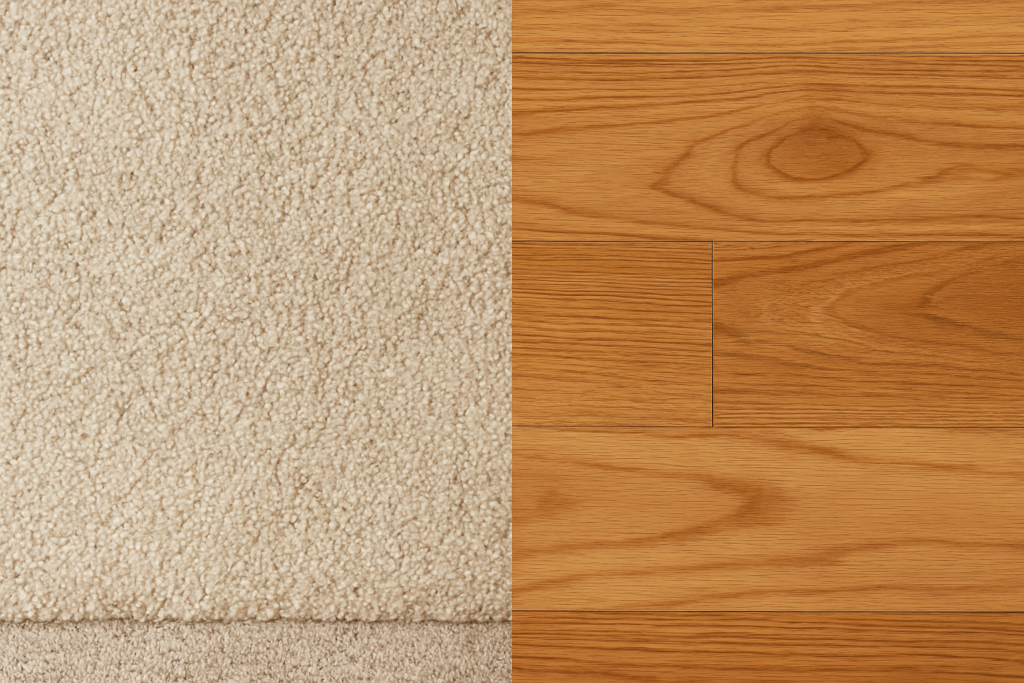
Carpet typically costs between competitively priced to competitively priced per square foot installed, while hardwood ranges from competitively priced to competitively priced per square foot. These broad ranges exist because quality varies dramatically within each category.
For carpet, you’re looking at basic polyester options on the low end, mid-grade nylon in the middle, and premium wool at the top. Installation is relatively simple, which keeps labor costs reasonable. Most installers can complete an average bedroom in half a day.
Hardwood Initial Costs
Hardwood installation requires more skill and time. You need subfloor preparation, precise cutting, and proper acclimation of the wood before installation. Labor costs typically run 50% to 100% higher than carpet installation.
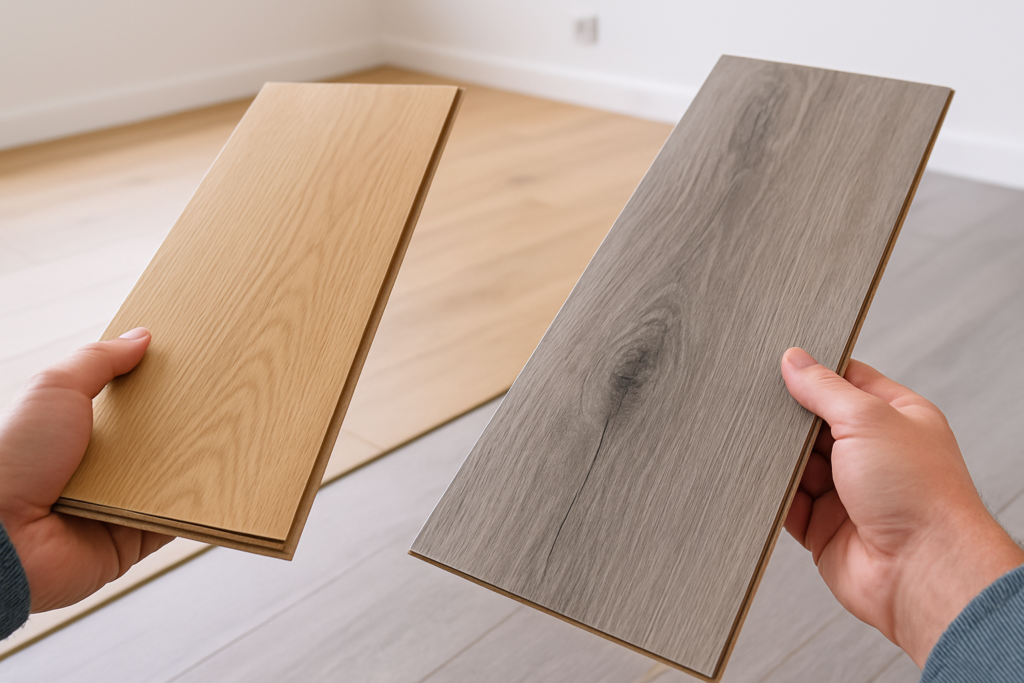
Engineered hardwood costs less than solid wood but still exceeds most carpet options. Pre-finished floors cost more upfront but eliminate the expense and disruption of on-site finishing. Unfinished floors give you more customization but add 3-5 days to the project timeline.
Regional Price Variations
Installation costs swing wildly by region. Urban areas with higher labor rates can push hardwood installation costs up by 30% to 50%. Rural areas often have fewer qualified installers, which can drive prices higher despite lower base labor rates.
Materials costs also fluctuate regionally. Areas with local lumber mills typically offer better hardwood pricing, while carpet costs remain more consistent nationwide due to centralized manufacturing and distribution.
Maintenance and Ongoing Expenses
Carpet maintenance costs hit you in three main areas: regular cleaning, professional deep cleaning, and spot treatments. You’ll spend competitively priced to competitively priced annually on professional cleaning for an average home, plus competitively priced to competitively priced on cleaning supplies and treatments.
Hardwood maintenance costs less annually but requires periodic major expenses. Regular cleaning involves basic sweeping and occasional damp mopping. However, refinishing every 7-10 years competitively priced to competitively priced per square foot.
Pet-Related Maintenance Costs
Pet ownership dramatically changes the maintenance equation. Carpet absorbs odors and stains that become permanent despite professional cleaning. You might need to replace carpet in high-traffic pet areas every 3-5 years instead of the typical 8-12 years.
Hardwood handles pet accidents better if you clean them immediately. However, repeated exposure to pet urine can cause permanent staining and warping that requires board replacement. Pet nail scratches accumulate over time, potentially requiring more frequent refinishing.
Allergy Considerations and Costs
Carpet traps allergens, dust mites, and pet dander despite regular vacuuming. Families with severe allergies often spend significantly more on specialized cleaning products, air purifiers, and medical treatments. These indirect costs can add competitively priced to competitively priced annually to your carpet ownership expenses.
Hardwood eliminates most allergen retention issues. You’ll likely reduce spending on allergy medications and air filtration systems. Some families report 20% to 30% reductions in allergy-related medical expenses after switching from carpet to hardwood.
Lifespan Analysis
Quality carpet lasts 8-15 years in normal residential use. High-traffic areas like hallways and living rooms wear faster than bedrooms. Cheap carpet might need replacement in 5-7 years, while premium wool carpet can last 15-20 years with proper care.
Solid hardwood floors can last 50-100 years or more with proper maintenance. Even engineered hardwood typically lasts 20-30 years. The key difference lies in refinishing potential. Solid hardwood can be refinished 6-10 times over its lifetime, while engineered hardwood allows 1-3 refinishing cycles depending on the wear layer thickness.
Replacement Cycle Costs
Over a 30-year period, you’ll likely replace carpet 2-3 times but hardwood zero times (assuming one or two refinishing cycles). This timeline dramatically affects total cost calculations.
Factor in inflation and rising installation costs, and carpet replacement becomes increasingly expensive over time. Your third carpet replacement might cost 40% to 60% more than today’s prices.
Resale Value Impact
Hardwood floors typically add more resale value than carpet. Real estate professionals estimate hardwood adds competitively priced to competitively priced to home value for an average-sized home. Premium hardwood installations can add even more in upscale markets.
Carpet rarely adds significant resale value unless it’s brand new and high-quality. Most buyers view carpet as something they’ll eventually replace, especially if it shows any wear or doesn’t match their style preferences.
Market Preferences
Buyer preferences heavily favor hardwood in most markets. Homes with hardwood floors typically sell faster and generate more interest from potential buyers. Carpet can actually detract from perceived home value if it appears dated or worn.
Luxury markets almost exclusively prefer hardwood. If you’re in an area where most homes feature hardwood floors, carpet might make your property stand out negatively during resale.
Installation Complexity and Hidden Costs
Carpet installation over existing floors requires minimal preparation. You might need new padding, which adds competitively priced to competitively priced per square foot. Installation typically takes one day for most homes.
Hardwood installation often reveals hidden issues. Subfloor problems, uneven surfaces, or moisture issues can add unexpected costs. Budget an extra 10% to 20% for potential surprises during hardwood installation.
DIY Potential
Experienced DIYers can install carpet with basic tools and patience. Hardwood installation requires specialized tools, knowledge of wood movement, and precision cutting skills. Most homeowners should hire professionals for hardwood installation.
DIY carpet installation can save competitively priced to competitively priced per square foot in labor costs. DIY hardwood installation risks expensive mistakes that cost more to fix than professional installation would have cost initially.
Climate and Environmental Factors
Humidity levels significantly impact hardwood performance and costs. Extreme humidity changes cause wood expansion and contraction, leading to gaps, cupping, or buckling. You might need climate control improvements that add to total ownership costs.
Carpet performs consistently across various climate conditions but can develop moisture problems in humid environments. Basement installations in humid climates often require dehumidification systems to prevent mold and mildew.
Seasonal Maintenance Differences
Winter heating systems can create extremely dry conditions that cause hardwood floors to shrink and gap. Summer humidity might require air conditioning to prevent wood expansion problems. These climate control costs factor into total ownership expenses.
Carpet maintenance remains relatively constant year-round, though winter salt tracking and summer humidity might require additional cleaning attention.
Total Cost of Ownership Calculation
For a 1,500 square foot home over 20 years, mid-grade carpet might competitively priced initially, plus competitively priced in maintenance, plus competitively priced for one replacement cycle. Total: approximately competitively priced.
Comparable hardwood might competitively priced initially, plus competitively priced in annual maintenance over 20 years, plus competitively priced for one refinishing cycle. Total: approximately competitively priced.
The numbers often come surprisingly close when you account for full ownership cycles. However, hardwood delivers better resale value and longer lifespan, making it the better long-term investment in most situations.
Break-Even Analysis
Hardwood typically breaks even with carpet at the 12-15 year mark, considering maintenance savings and avoided replacement costs. After that point, hardwood becomes increasingly cost-effective.
Families planning to stay in their homes long-term should strongly consider hardwood. Those expecting to move within 5-7 years might find carpet more cost-effective, especially in bedrooms where hardwood premiums are highest.
Lifestyle-Specific Recommendations
Families with young children often prefer carpet for safety and comfort reasons. However, the maintenance burden and replacement costs make hardwood more economical long-term, especially with area rugs in play areas.
Pet owners should lean toward hardwood despite higher upfront costs. The ability to thoroughly clean pet accidents without permanent odor retention makes hardwood superior for long-term pet ownership.
Allergy Sufferers
Households with significant allergies should choose hardwood without question. The health benefits and reduced medical expenses often justify any cost premium. Consider the total cost including health-related expenses, not just flooring costs.
Regional Considerations
High-moisture climates like the Pacific Northwest or Southeast require careful hardwood selection and installation. Engineered hardwood performs better than solid wood in these environments but costs more initially.
Dry climates stress hardwood through seasonal movement. Factor in humidification system costs and potential seasonal gap issues when calculating total ownership expenses.
Urban markets with high resale premiums for hardwood make the investment more attractive. Rural markets might not reward hardwood investments as strongly, making carpet more viable financially.
Making Your Decision
Choose hardwood if you plan to stay in your home more than 10 years, have pets or family members with allergies, or live in a market where hardwood significantly impacts resale value. The long-term economics favor hardwood in most scenarios.
Choose carpet if you’re budget-constrained upfront, plan to move within 5-7 years, or prioritize comfort and warmth in bedrooms. Quality carpet can make financial sense in specific situations.
Don’t choose the cheapest option in either category. Low-quality carpet needs replacement sooner and performs poorly. Cheap hardwood might require expensive repairs or early replacement.
Frequently Asked Questions
How much does it really cost to maintain hardwood floors annually?
Expect to spend competitively priced-400 annually on hardwood maintenance for an average home. This includes cleaning supplies, occasional professional deep cleaning, and setting aside money for eventual refinishing. The refinishing reserve should be competitively priced-500 per year to cover the expense every 7-10 years.
Does carpet or hardwood save more money with pets?
Hardwood saves money long-term with pets, despite higher upfront costs. Carpet absorbs pet odors permanently and typically needs replacement every 5-7 years in pet households instead of the normal 10-12 years. Hardwood handles accidents better and lasts much longer, even with pets.
Which flooring adds more value when selling a home?
Hardwood typically adds competitively priced-5,000 to home resale value and helps homes sell faster. Carpet rarely adds significant value unless it’s brand new and high-quality. Most buyers view existing carpet as something they’ll replace, while hardwood is seen as a permanent upgrade.
Can I install either type of flooring myself to save money?
Carpet installation is feasible for experienced DIYers and can save competitively priced-4 per square foot in labor costs. Hardwood installation requires specialized skills and tools. Most DIY hardwood attempts result in expensive mistakes that cost more to fix than professional installation would have cost initially.