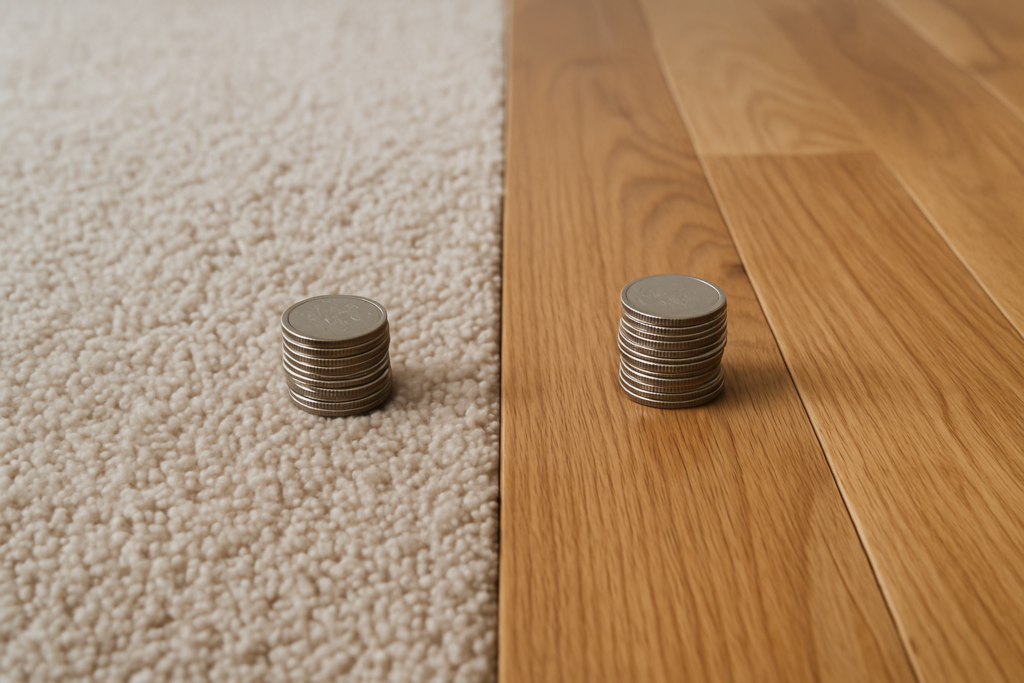
Choosing between carpet and hardwood flooring feels like an investment decision because it absolutely is one. Over the next decade, your flooring choice will impact your wallet through installation costs, maintenance expenses, and even your home’s resale value.
Most homeowners focus on upfront costs and miss the bigger picture. Thcompetitively priced hardwood installation might seem expensive compared to competitively priced for quality carpet, but the 10-year math tells a completely different story. When you factor in replacement cycles, cleaning costs, and maintenance requirements, the winner becomes clear.
Let’s break down every expense you’ll face over the next decade with both options. By the end, you’ll know exactly which flooring type delivers better value for your specific situation and budget.
Initial Installation Costs: The Starting Line
Carpet installation typically runs competitively priced to competitively priced per square foot, including materials and labor. For a 1,500 square foot home, you’re looking competitively priced to competitively priced total. The wide range reflects quality differences between basic builder-grade carpet and premium options from brands like Shaw or Mohawk.
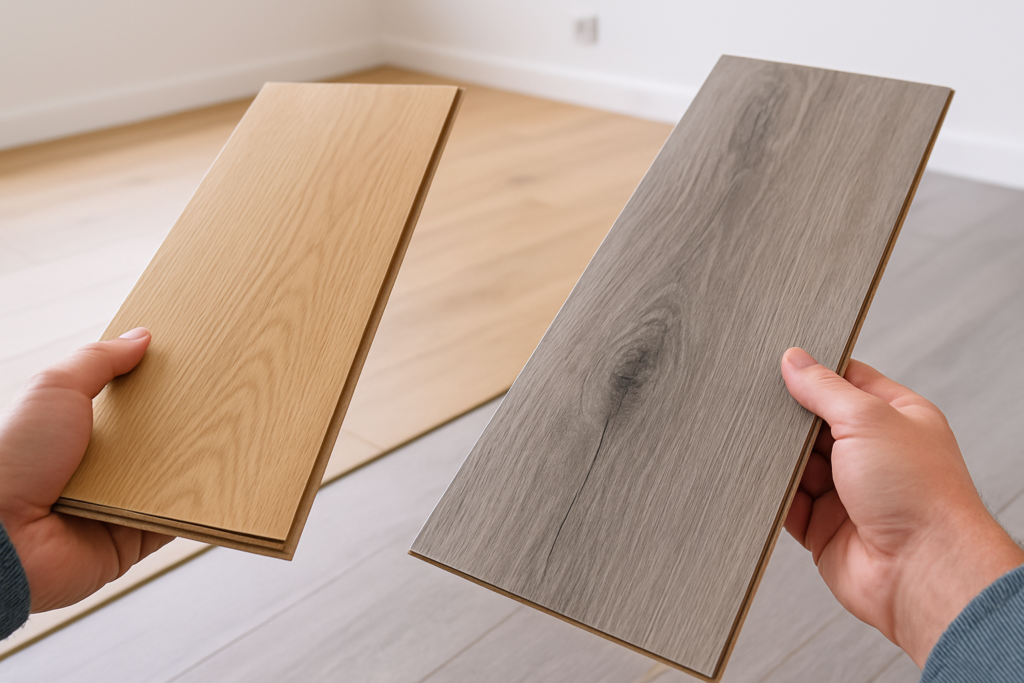
Hardwood flooring starts higher competitively priced to competitively priced per square foot installed. That same 1,500 square foot space competitively priced to competitively priced. Engineered hardwood sits at the lower end, while solid oak or exotic species push toward the top.
Regional variations significantly impact these numbers. Installation costs in major metropolitan areas like San Francisco or New York run 30-50% higher than national averages. Rural areas often see costs 10-20% below national figures due to lower labor rates.
Material Quality Impact on Upfront Costs
With carpet, spending more upfront pays dividends in longevity. A competitively priced per square foot polyester carpet might last 5-7 years in high-traffic areas, while a competitively priced per square foot nylon carpet with quality padding lasts 12-15 years.
For hardwood, the species and grade matter more than you’d expect. Red oak offers excellent value and durability, while bamboo provides an eco-friendly middle ground. Exotic hardwoods like Brazilian cherry look stunning but cost significantly more without proportional durability benefits for most homes.
Maintenance and Cleaning: The Hidden Ongoing Costs
Carpet maintenance involves regular professional cleaning every 12-18 months. Professional cleaning services charge competitively priced to competitively priced per square foot, meaning competitively priced to competitively priced annually for that 1,500 square foot home. Over 10 years, professional cleaning alone competitively priced to competitively priced.
Daily maintenance requires a quality vacuum cleaner. A good upright vacuum like the Shark Navigator or Bissell Pet Hair Eraser handles most carpet types effectively. Factor in replacement filters, belts, and eventual vacuum replacement over the decade.
Hardwood Maintenance Reality Check
Hardwood floors need refinishing every 7-10 years in high-traffic homes. Professional refinishing competitively priced to competitively priced per square foot, totaling competitively priced to competitively priced for your 1,500 square foot space. This major expense hits once during your 10-year analysis period.
Annual hardwood maintenance includes professional cleaning (optional but recommended) competitively priced to competitively priced per square foot. Many homeowners skip this, opting for DIY cleaning with products like Bona Hardwood Floor Cleaner.
Wood floor maintenance also requires humidity control. Hardwood expands and contracts with moisture changes, potentially causing gaps or cupping. A whole-home humidifier system competitively priced to competitively priced installed and adds to annual utility costs.
Replacement Cycles: When Flooring Reaches Its Limit
Quality carpet lasts 8-12 years in most homes, but high-traffic areas show wear sooner. Pet owners often face replacement every 6-8 years due to odor and stain accumulation that professional cleaning can’t eliminate.
During your 10-year analysis period, you might need one partial carpet replacement in hallways or living areas. Budget 20-30% of your original installation cost for high-traffic area replacement.
Hardwood Longevity Advantage
Quality hardwood floors last 25-100 years with proper maintenance. You won’t face replacement costs during your 10-year window unless damage occurs from flooding or extreme neglect.
This longevity represents hardwood’s biggest financial advantage. While carpet might need replacement once or twice in a decade, hardwood keeps performing with minimal intervention.
Lifestyle Factors That Impact Total Cost
Pet ownership dramatically affects flooring costs. Cats and dogs cause carpet staining, odor retention, and accelerated wear. Pet accidents can penetrate carpet padding, requiring professional remediation or early replacement.
Hardwood handles pets better overall, though scratches from dog nails remain a concern. Area rugs in high-traffic pet zones protect hardwood while providing easy cleaning options.
Family Size and Traffic Patterns
Large families or homes with heavy foot traffic see faster carpet deterioration. Entryways, hallways, and living rooms bear the brunt of daily use. Hardwood tolerates heavy traffic better, showing wear through finish dulling rather than structural damage.
Children impact both flooring types differently. Spills and accidents clean more easily from hardwood, while carpet provides softer play surfaces but retains stains and odors more readily.
Regional Cost Variations: Location Matters
Southern states typically see lower installation costs due to competitive markets and lower labor rates. Texas, Georgia, and North Carolina offer some of the country’s most affordable flooring installation.
West Coast markets command premium pricing. California’s strict environmental regulations also limit carpet and adhesive options, potentially increasing costs. However, the region’s dry climate extends hardwood lifespan by reducing moisture-related issues.
Northern climates present unique challenges. Harsh winters require more aggressive home heating, creating dry conditions that stress hardwood floors. Carpet provides natural insulation benefits that reduce heating costs in cold climates.
Home Value Impact: The Resale Consideration
Real estate professionals consistently rank hardwood floors among the top home improvements for resale value. Hardwood flooring typically returns 70-80% of installation costs at resale, sometimes more in luxury markets.
Quality carpet provides minimal resale value boost. Most buyers view carpet as a temporary covering they’ll eventually replace. Neutral carpet colors fare better than bold patterns or colors during home sales.
The National Association of Realtors reports that homes with hardwood floors sell faster and for higher prices than comparable carpet-floored homes. This premium varies by region but averages 2-5% of home value.
The 10-Year Total Cost Breakdown
For a 1,500 square foot home with moderate traffic, here’s the realistic 10-year cost comparison:
Carpet total costs:
- Initial installation (mid-grade): competitively priced
- Professional cleaning (10 years): competitively priced
- Partial replacement (high-traffic areas): competitively priced
- Equipment and supplies: competitively priced
- Total: competitively priced
Hardwood total costs:
- Initial installation (engineered oak): competitively priced
- Refinishing (year 8): competitively priced
- Annual maintenance supplies: competitively priced
- Humidity control system: competitively priced
- Total: competitively priced
The Value Equation Changes Everything
While hardwood costs more over 10 years, it adds significant home value. If hardwood increases your home value by competitively priced, the real cost difference shrinks to competitively priced. Factor in the remaining 15-20 years of hardwood life, and the value proposition becomes compelling.
Making the Right Choice for Your Situation
Choose carpet if you’re planning to sell within 5-7 years, have a tight budget, or prioritize comfort in bedrooms. Quality carpet with proper maintenance serves well for medium-term housing situations.
Hardwood makes sense for long-term homeowners, those prioritizing resale value, or anyone wanting low-maintenance flooring. The higher upfront cost spreads across decades of use.
Consider a hybrid approach. Many homeowners install hardwood in main living areas and use carpet in bedrooms for comfort and sound dampening. This strategy balances cost, comfort, and resale value effectively.
Frequently Asked Questions
Does pet ownership make hardwood impractical?
Not necessarily. While pets can scratch hardwood, the damage is usually repairable through refinishing. Carpet permanently absorbs pet odors and stains, often requiring complete replacement. Many pet owners find hardwood easier to keep clean and odor-free long-term.
How do financing options affect the total cost analysis?
Many flooring retailers offer 12-24 month financing options. While this reduces upfront costs, interest charges can add 10-20% to your total expense. Cash purchases often qualify for contractor discounts that offset the financing benefits.
Can I install hardwood over existing carpet?
No, carpet and padding must be completely removed before hardwood installation. This removal adds competitively priced-2 per square foot to installation costs. However, many installers include removal in their standard pricing, so ask specifically about this service.
Which flooring type works better with radiant heating systems?
Engineered hardwood pairs excellently with radiant heating, providing even heat distribution without the moisture concerns of solid wood. Carpet insulates against radiant heating, reducing system efficiency. If you have radiant heating, hardwood delivers better performance and comfort.