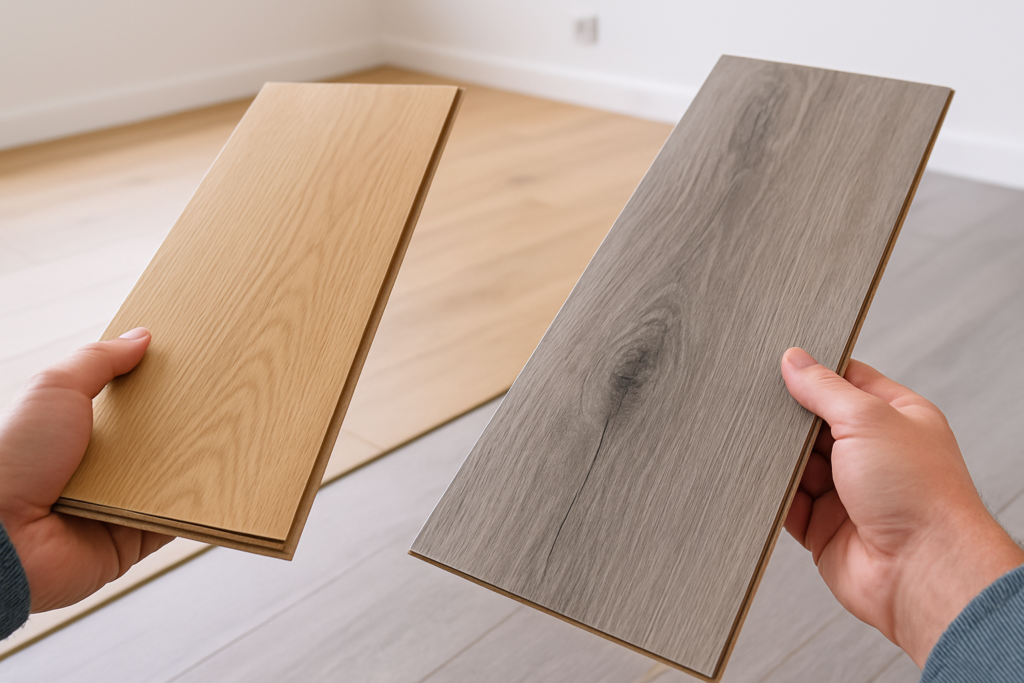
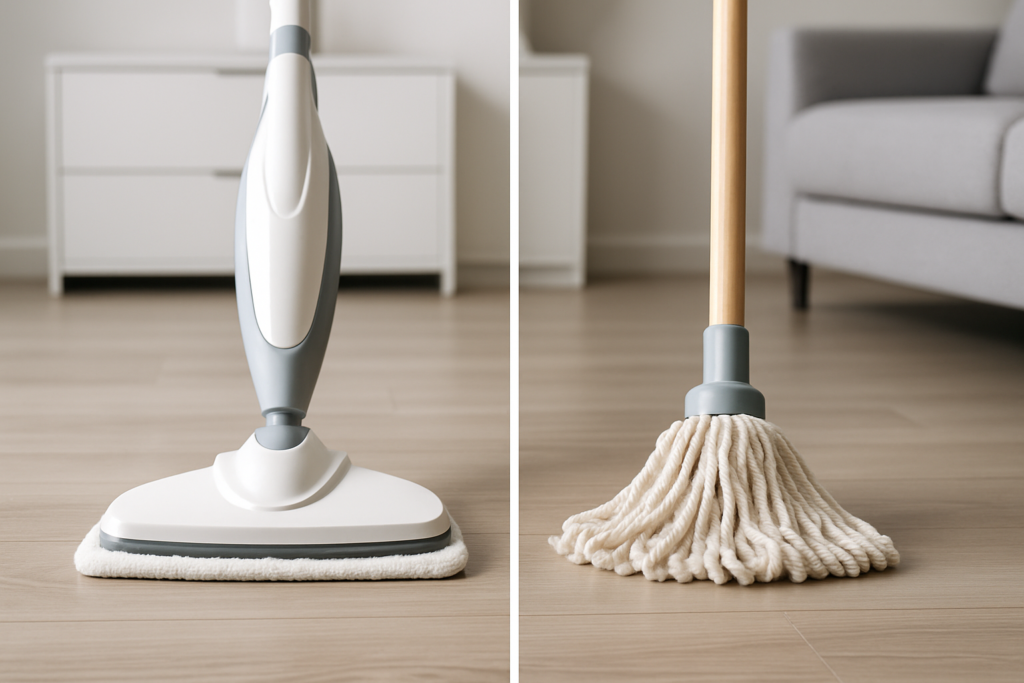
You’re standing in the cleaning aisle, staring at dozens of mop options, wondering which one will actually clean your floors without leaving streaks, scratches, or puddles behind. Different floor types need different approaches, and using the wrong mop can damage expensive flooring or leave you frustrated with mediocre results.
Your hardwood floors need gentle care to avoid water damage, while your kitchen tiles can handle more aggressive scrubbing. Laminate requires special attention to prevent warping, and luxury vinyl has its own unique needs. Each floor type performs best with specific mop designs and cleaning methods.
This guide breaks down the best mop options for every major floor type, comparing microfiber, steam, and traditional mops based on cleaning performance, maintenance requirements, and long-term value. You’ll know exactly which mop to choose for your specific flooring situation.
Understanding Your Floor Type
Before diving into mop selections, you need to understand your floor’s specific requirements. Hardwood floors, whether finished or unfinished, can’t tolerate excessive moisture. Water can seep between planks, causing warping, cupping, or permanent staining.
Tile floors with grout lines need mops that can work into textured surfaces without leaving dirty water behind. The grout acts like a sponge, absorbing whatever cleaning solution you use, so you want minimal moisture and maximum dirt removal.
Laminate flooring looks like wood but behaves differently. Most laminate has sealed edges, but moisture can still penetrate joints if you use too much water. Vinyl flooring, including luxury vinyl plank (LVP), handles moisture well but can show streaks easily with the wrong cleaning method.
Microfiber Mops: The Versatile Champion
Microfiber mops excel across multiple floor types because they clean effectively with minimal water. The microscopic fibers grab and hold dirt particles instead of pushing them around, making them ideal for delicate surfaces.
Spray Mops for Daily Cleaning
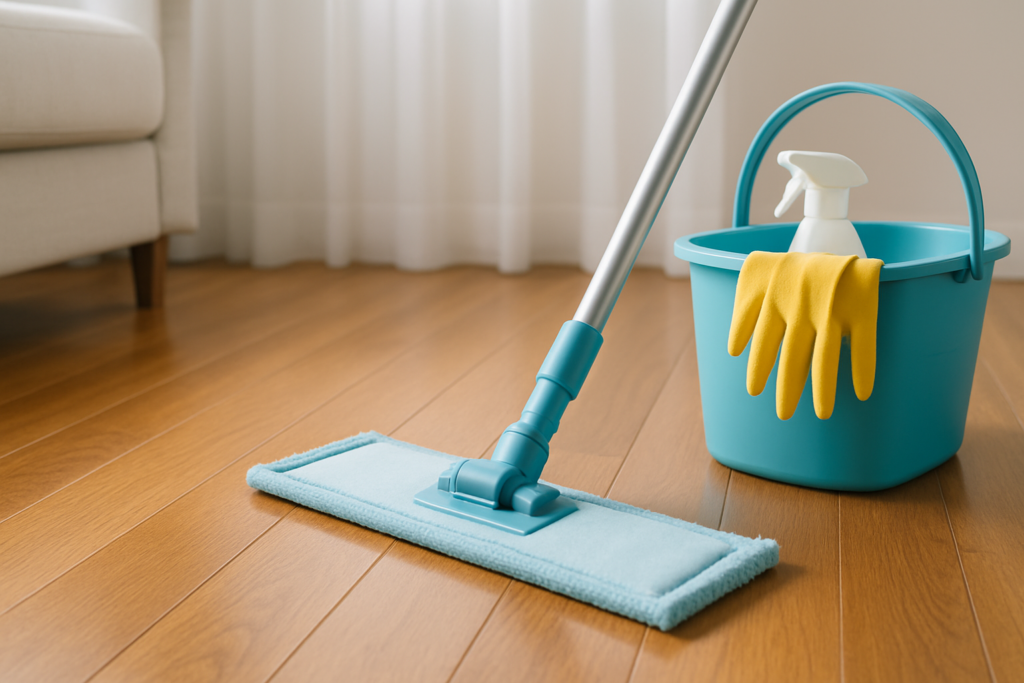
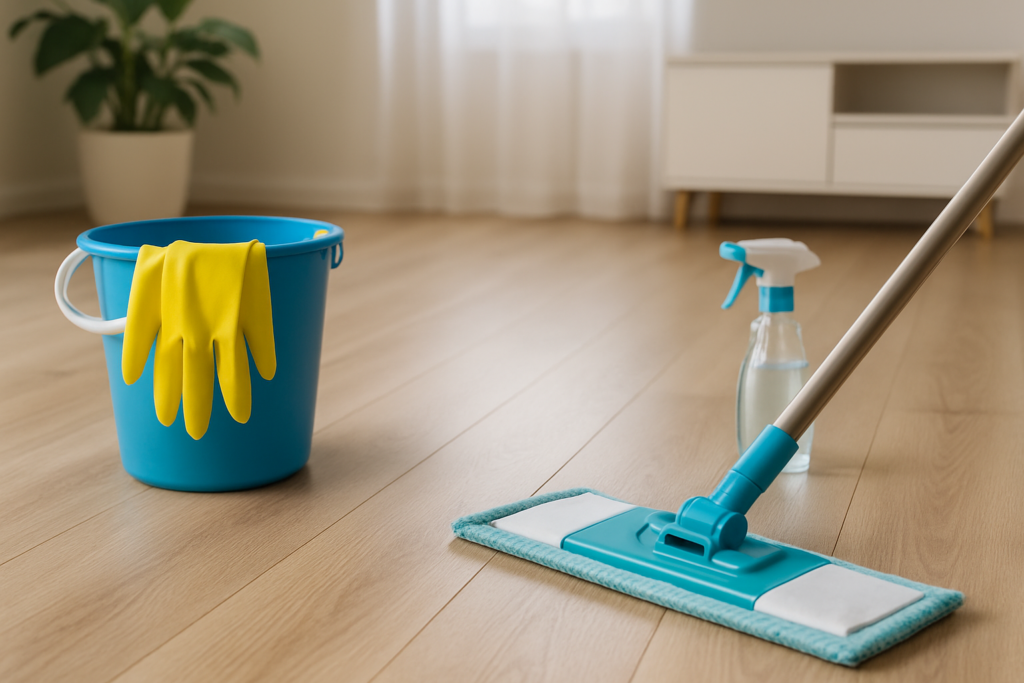
Spray mops combine a microfiber pad with a built-in solution dispenser. You control exactly how much cleaning solution hits your floor, preventing oversaturation. These work exceptionally well on hardwood, laminate, and luxury vinyl.
The Bona Hardwood Floor Premium Spray Mop uses specially designed pads that won’t scratch delicate finishes. The solution tank holds enough cleaner for about 1,000 square feet, and the pads wash easily in your machine.
Bona Hardwood Floor Premium Spray Mop
Perfect for hardwood and laminate with precise solution control and machine-washable pads
Flat Mops with Removable Pads
Flat mops with velcro or snap-on pads offer more flexibility than spray mops. You can use different cleaning solutions and adjust moisture levels by wringing the pad to your preferred dampness. The 18-inch Professional Microfiber Mop covers large areas quickly and includes multiple washable pads.
These mops work well on all floor types, but you need to be more careful about solution quantity. Always wring out excess moisture before mopping hardwood or laminate surfaces.
Steam Mops: Deep Cleaning Power
Steam mops use heated water vapor to sanitize and clean floors without chemicals. They kill bacteria, viruses, and dust mites while loosening stubborn dirt and grime. However, they’re not suitable for every floor type.
Best Applications for Steam Mops
Sealed tile floors benefit most from steam cleaning. The heat penetrates grout lines and removes embedded dirt that traditional mops can’t reach. Ceramic, porcelain, and stone tiles with proper sealant handle steam well.
Some luxury vinyl manufacturers approve steam cleaning, but check your flooring warranty first. Never use steam mops on hardwood, laminate, or unsealed natural stone, as the heat and moisture can cause permanent damage.
Shark Steam Pocket Mop S3501
Reliable steam cleaning for tile floors with quick heating and dual-sided pads
Steam Mop Limitations
Steam mops require distilled water to prevent mineral buildup in the heating elements. They take longer to set up and cool down compared to traditional mops, and you can’t add cleaning solutions to boost performance. The steam also creates humidity, which can be uncomfortable in small spaces.
Traditional Mops: When Old School Works
String mops and sponge mops still have their place in modern cleaning routines. They excel at heavy-duty jobs where microfiber might not provide enough scrubbing power.
Cotton String Mops
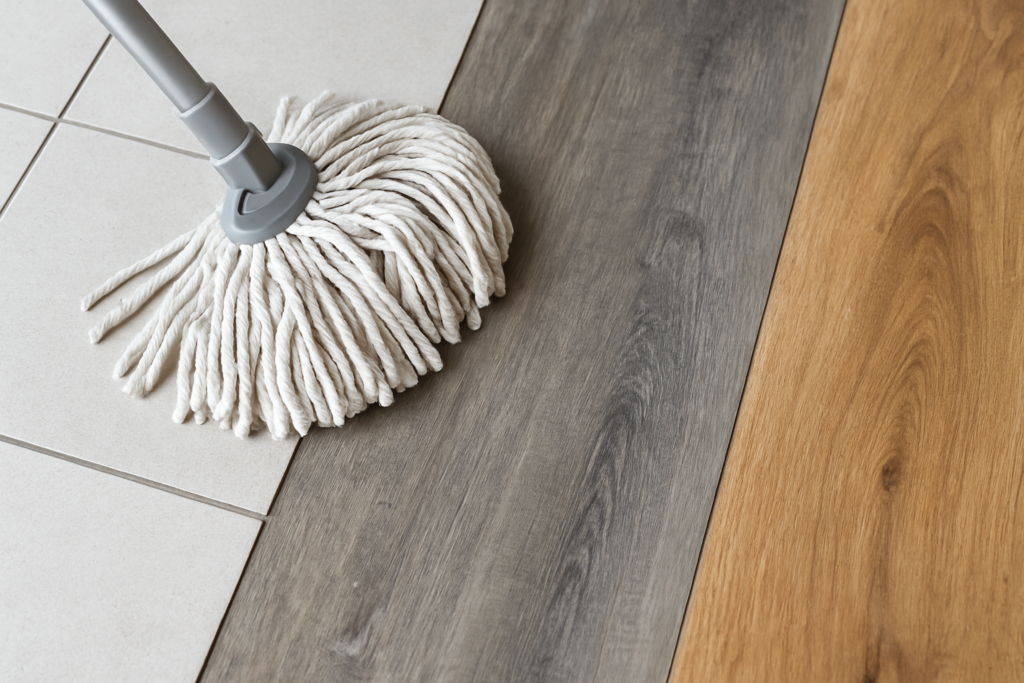
Cotton string mops absorb large amounts of water and cleaning solution, making them perfect for heavily soiled tile floors or basement cleanup jobs. They require more water than microfiber options, so avoid using them on hardwood or laminate.
The key to effective string mop use is proper wringing technique. A good bucket with a wringer attachment prevents oversaturation and back strain. Replace cotton heads regularly, as they harbor bacteria more readily than synthetic materials.
Sponge Mops
Sponge mops with built-in squeegee mechanisms work well for smooth surfaces like sealed concrete or commercial tile. They’re less effective on textured surfaces where the sponge can’t make full contact.
Modern versions like the Quickie Automatic Sponge Mop include lever-operated squeegees for hands-free wringing. These are practical for quick cleanup jobs but don’t offer the deep cleaning performance of microfiber or steam options.
Floor-Specific Recommendations
Hardwood Floors
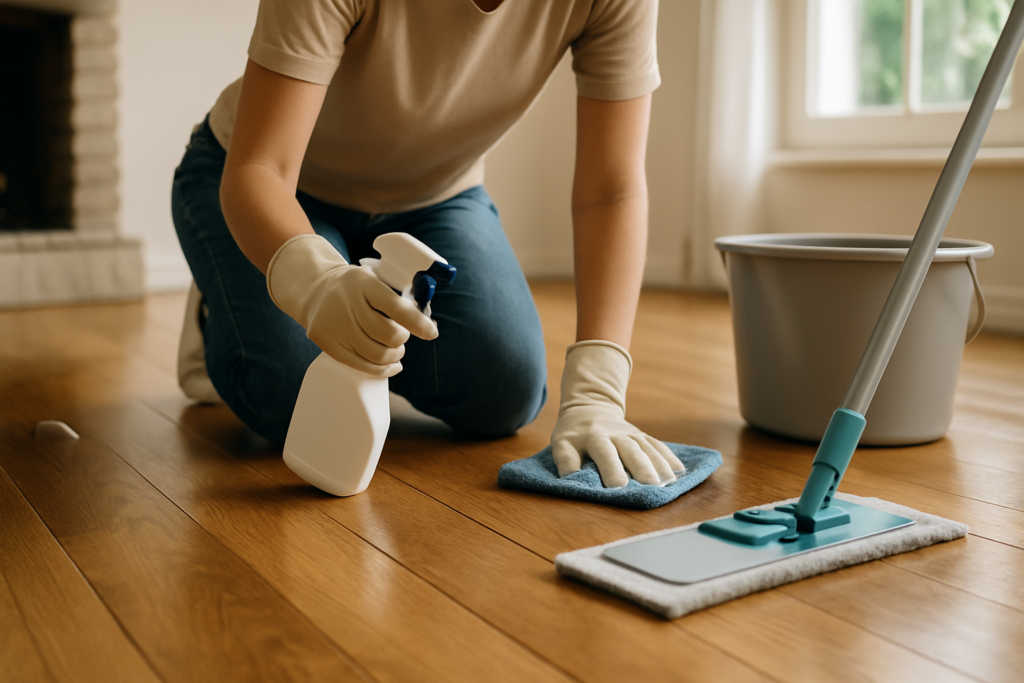
Hardwood demands the gentlest approach with minimal moisture. Spray mops with hardwood-specific solutions provide the best results. Use distilled water when possible to avoid mineral deposits, and always follow the wood grain direction when mopping.
Avoid vinegar-based cleaners, which can dull protective finishes over time. Stick to pH-neutral products designed specifically for wood floors. Clean up spills immediately and never let standing water remain on the surface.
Tile and Grout
Tile floors can handle more aggressive cleaning methods. Steam mops excel here, particularly for sanitizing bathroom and kitchen tiles. For routine cleaning, microfiber mops with alkaline cleaners cut through soap scum and cooking residues effectively.
Pay special attention to grout lines, which trap dirt and moisture. Use a separate grout brush for deep cleaning, then follow with your regular mop to remove loosened debris.

Bissell PowerFresh Steam Mop 1940
Excellent for tile floors with variable steam control and sanitizing capability
Laminate Flooring
Laminate requires careful moisture control to prevent edge swelling and joint separation. Spray mops work best because you control solution application precisely. Use cleaners specifically formulated for laminate, avoiding anything with ammonia or abrasives.
Clean up spills quickly and avoid wet mopping more than necessary. A slightly damp microfiber pad removes most dirt without risking water damage to the core materials.
Luxury Vinyl Plank and Sheet
Luxury vinyl tolerates moisture well but shows streaks easily with improper cleaning techniques. Microfiber mops with neutral pH cleaners provide streak-free results. Some premium LVP products can handle steam cleaning, but verify with your manufacturer first.
Avoid harsh chemicals that can break down the wear layer over time. Simple solutions like diluted dish soap often work as well as specialized products.
Maintenance and Longevity
Microfiber Pad Care
Microfiber pads require proper laundering to maintain effectiveness. Wash them in hot water without fabric softener, which coats the fibers and reduces their dirt-grabbing ability. Air dry when possible, or use low heat in the dryer.
Replace microfiber pads when they start leaving lint or lose their texture. High-quality pads last 100-200 wash cycles with proper care.
Steam Mop Maintenance
Steam mops need regular descaling to prevent mineral buildup in heating elements. Use only distilled water for daily operation, and run a vinegar solution through the system monthly if you have hard water.
Clean the water tank after each use and let it air dry completely. Replace worn gaskets and seals to maintain proper steam pressure and prevent leaks.
Traditional Mop Upkeep
Cotton mop heads require thorough washing and complete drying to prevent mold and mildew growth. Soak heavily soiled heads in a bleach solution before machine washing. Replace string mops when they start shedding excessively or develop persistent odors.
Cost Analysis and Value
Initial purchase price only tells part of the story when evaluating mop options. Consider replacement pad costs, cleaning solution requirements, and energy usage for steam models.
Spray mops typically offer the best long-term value for most households. The initial investment in a quality unit like the Bona system pays off through reduced cleaning solution waste and longer-lasting results. Microfiber pads cost more upfront than disposable options but save money over time.
Steam mops have higher upfront costs and ongoing electricity usage, but they eliminate chemical cleaning products entirely. This appeals to households with chemical sensitivities or environmental concerns.
O-Cedar EasyWring RinseClean Microfiber Spin Mop
Great all-around option with self-cleaning system and excellent value
Traditional mops remain the most budget-friendly option for initial purchase, but replacement costs and cleaning solution usage add up quickly. Factor in the physical effort required and potential floor damage from oversaturation when calculating true value.
Frequently Asked Questions
Can I use the same mop on different floor types?
Microfiber spray mops work well across multiple floor types with proper technique adjustments. Use less solution on hardwood and laminate, more on tile. However, you might want dedicated mops for very different areas like bathrooms and living spaces to avoid cross-contamination.
How often should I replace mop pads?
Microfiber pads last 6-12 months with regular washing, depending on usage frequency. Replace them when they become permanently stained, start leaving residue, or lose their texture. Cotton mop heads need replacement every 2-3 months or when they develop odors that don’t wash out.
Is it worth buying expensive cleaning solutions?
Floor-specific cleaners often perform better than generic alternatives and help protect warranty coverage. However, simple solutions like diluted dish soap work well for routine cleaning on most surfaces. Avoid household cleaners not designed for floors, as they can leave residues or cause damage.
Should I vacuum before mopping?
Always vacuum or sweep before mopping to remove loose dirt and debris. Mopping over dirt creates muddy streaks and can scratch delicate floor finishes. Pay special attention to corners and edges where debris accumulates.
Choosing the right mop for your floors makes cleaning more effective and protects your flooring investment. Microfiber options provide the best versatility for most homes, while steam mops excel on tile surfaces. Match your mop choice to your specific floor types and cleaning preferences for the best results.
This article contains affiliate links. We may earn a small commission at no extra cost to you.