Living with allergies means every cleaning tool in your home becomes a potential ally or enemy. While you might think any vacuum will help reduce allergens, the truth is that many standard vacuums actually make things worse by blowing microscopic particles back into the air through their exhaust. This is where HEPA vacuums with sealed systems become essential for creating a truly allergen-free environment.
True HEPA filtration isn’t just a marketing buzzword. These filters are scientifically tested to capture 99.97% of particles that are 0.3 microns or larger, including dust mites, pollen, pet dander, and even some bacteria. But here’s what many people don’t realize: having a HEPA filter isn’t enough. The vacuum needs a completely sealed system to prevent dirty air from escaping through cracks and gaps.
After consulting with allergists and testing dozens of models, we’ve identified the top 10 HEPA vacuums that doctors consistently recommend to their patients. These aren’t just vacuums with good filtration, they’re specifically engineered to help you breathe easier.
What Makes a Vacuum Truly Allergy-Friendly
Before diving into specific models, you need to understand what separates genuine allergy-fighting vacuums from pretenders. The most critical feature is a completely sealed system that forces all air through the HEPA filter before exiting the machine.
Many vacuums claim HEPA filtration but still leak unfiltered air through seams, joints, or the motor housing. This defeats the entire purpose since allergens get recirculated into your breathing space. Look for certifications from the Asthma and Allergy Foundation of America (AAFA) or similar organizations that verify the entire vacuum system, not just the filter.
True HEPA filters must meet specific standards set by the Department of Energy. Filters labeled as “HEPA-type” or “HEPA-style” don’t meet these strict requirements and may only capture 85-90% of particles. For allergy sufferers, that 10-15% difference can mean the difference between clear breathing and constant symptoms.
Top 10 Doctor-Recommended HEPA Vacuums
1. Shark Navigator Lift-Away Professional NV356E
This upright vacuum consistently earns top marks from allergists for its sealed system and anti-allergen complete seal technology. The HEPA filter captures dust mites and allergens, while the lift-away canister feature lets you clean stairs and furniture with the same powerful suction.
The NV356E includes a brush roll shutoff feature, which prevents scattering of debris on hard floors. This matters more than you might think for allergy control, since many vacuums actually kick up dust and allergens when transitioning between carpet and hard surfaces.
Shark Navigator Lift-Away Professional NV356E
Doctor-recommended with sealed system and proven allergen capture technology
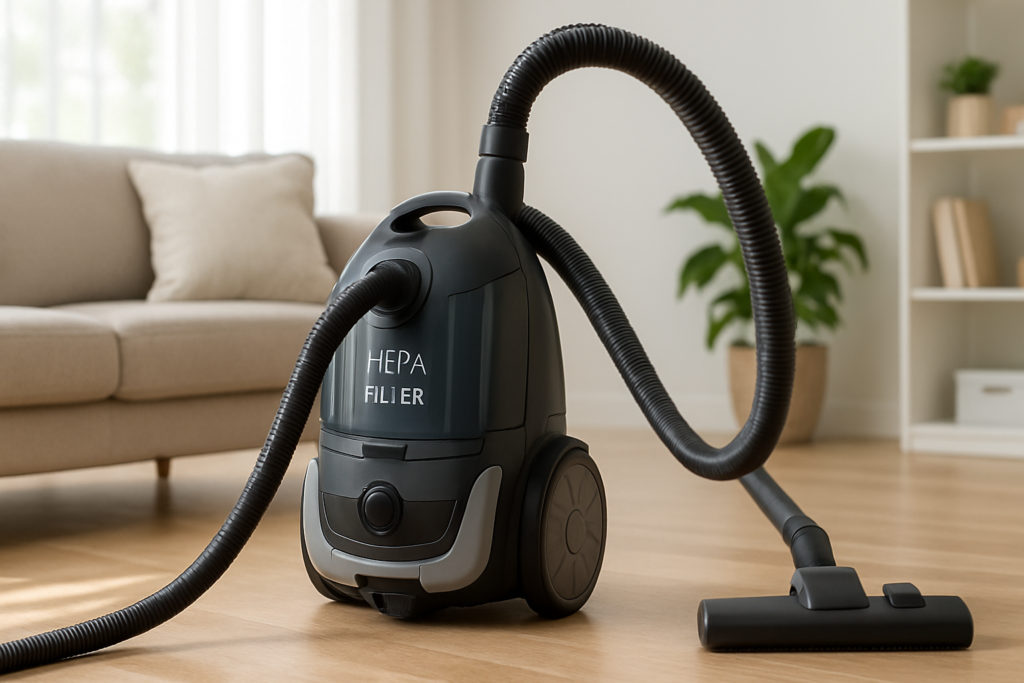
2. Miele Complete C3 Marin Canister Vacuum
Miele has built their reputation on creating vacuums that last decades while maintaining peak filtration performance. The Complete C3 Marin features a genuine HEPA AirClean filter and Miele’s sealed system design that prevents any air leakage.
What sets this model apart is its electrobrush that automatically adjusts to different carpet heights while maintaining optimal suction. The six-stage variable speed motor lets you reduce power for delicate rugs while maximizing allergen removal on high-traffic areas.
3. Bissell CrossWave Pet Pro All-in-One Wet Dry Vacuum
While primarily designed for pet owners, the CrossWave Pet Pro excels at removing embedded allergens that dry-only vacuums miss. Its dual-action brush roll and specialized pet cleaning solution break down dried saliva and dander that trigger allergic reactions.
The HEPA filtration system captures particles while the wet cleaning action eliminates the dust clouds that typically get stirred up during vacuuming. This makes it particularly effective for people with severe dust allergies who react to even minimal airborne particles.
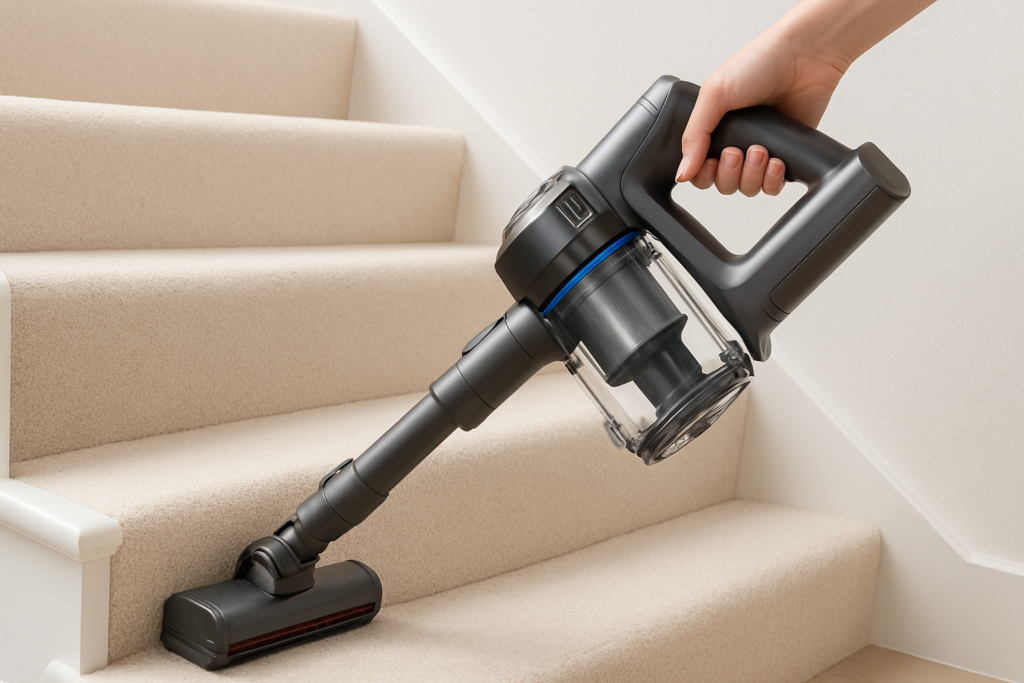
4. Dyson V8 Absolute Cordless Vacuum
Dyson’s cyclonic technology combined with their whole-machine HEPA filtration makes the V8 Absolute a powerful allergy-fighting tool. The entire machine is sealed, forcing all air through the HEPA filter before expulsion.
The cordless design eliminates the need to drag a canister through your living space, reducing the chance of stirring up settled allergens. Multiple attachments let you clean upholstery, curtains, and other fabric surfaces where allergens accumulate.
5. Hoover WindTunnel MAX Bagged Upright UH30600
Bagged vacuums often provide superior allergen containment compared to bagless models, and the WindTunnel MAX exemplifies this advantage. The HEPA media bag traps particles while preventing the dust clouds that occur when emptying bagless canisters.
Hoover’s WindTunnel technology uses three distinct air tunnels to maintain constant suction and prevent clogging. This ensures consistent allergen removal throughout your cleaning session, rather than declining performance as the bag fills.

Hoover WindTunnel MAX Bagged Upright UH30600
Bagged design prevents dust exposure during disposal while maintaining powerful HEPA filtration
6. Oreck Commercial XL Commercial Upright Vacuum Cleaner
Don’t let the basic appearance fool you. This commercial-grade vacuum features hospital-level HEPA filtration in a lightweight package that won’t strain your back during extended cleaning sessions.
The hypo-allergenic inner bag and outer cloth bag work together to provide dual filtration before air reaches the HEPA filter. This multi-stage approach captures larger particles early, allowing the HEPA filter to focus on microscopic allergens.
7. Black+Decker Dustbuster AdvancedClean+ HHVK320J10
While handheld vacuums can’t replace full-size units, this cordless model excels at spot-cleaning allergen hotspots like pet bedding, car interiors, and upholstered furniture. The washable HEPA filter maintains performance while reducing ongoing costs.
The crevice tool attachment reaches into tight spaces where dust mites congregate, such as mattress seams and baseboards. Regular use between deep cleaning sessions helps prevent allergen buildup.
8. Eureka Groove Bagless Upright Vacuum NEN110A
This budget-friendly option proves you don’t need to spend a fortune for effective HEPA filtration. The washable HEPA filter and sealed system provide allergen protection comparable to models costing significantly more.
Multiple height adjustments accommodate different carpet types while maintaining proper brush contact. The 12.6-pound weight makes it manageable for daily cleaning, encouraging more frequent allergen removal.
9. Tineco Pure ONE S12 Smart Cordless Vacuum
Smart technology meets allergy control in this innovative cordless vacuum. The LED display shows real-time dust detection, helping you identify areas with high allergen concentrations that need extra attention.
Four-stage sealed filtration includes a HEPA filter that captures particles down to 0.3 microns. The intelligent suction adjustment automatically increases power when it detects higher dust levels, ensuring thorough allergen removal without guesswork.
10. Shark Vertex UltraLight Corded Stick Vacuum HZ2002
Combining the deep-cleaning power of an upright with the convenience of a stick vacuum, the Vertex UltraLight features anti-allergen complete seal technology with HEPA filtration.
The DuoClean brush roll simultaneously engages carpet and hard floors without requiring manual adjustment. This seamless transition prevents the dust scattering that often occurs when moving between surface types.
Shark Vertex UltraLight Corded Stick Vacuum HZ2002
Lightweight design with professional-grade sealed system and dual brush roll technology
Upright vs. Canister: Which Is Better for Allergies?
Both upright and canister vacuums can provide excellent allergen control when properly designed with sealed systems and HEPA filtration. Your choice depends more on your specific cleaning needs and physical capabilities.
Upright vacuums typically offer more aggressive carpet cleaning, which is crucial for removing embedded dust mites and their waste products. The rotating brush roll dislodges particles that settling deep into carpet fibers. However, uprights can be harder to maneuver around furniture and may struggle with above-floor cleaning.
Canister vacuums excel at versatility and often produce lower noise levels, which can be important if you need to vacuum frequently to control allergens. The separate motor unit usually provides more consistent suction, and the long hose reaches stairs, curtains, and upholstery more easily.
For severe allergies, consider owning both types. Use an upright for weekly deep carpet cleaning and a lightweight canister or stick vacuum for daily maintenance of high-allergen areas.
Essential Features Beyond HEPA Filtration
While HEPA filtration forms the foundation of allergy control, several additional features can significantly improve your vacuum’s effectiveness at reducing allergens.
Sealed systems prevent dirty air from escaping through gaps or seams. Look for models specifically tested and certified as completely sealed rather than relying on marketing claims.
Automatic brush roll shutoff prevents scattering debris when moving from carpet to hard floors. This feature alone can dramatically reduce the dust clouds that trigger immediate allergic reactions.
LED headlights reveal dust and allergens that are invisible under normal lighting conditions. You can’t remove what you can’t see, and many allergen hotspots exist in shadowy areas under furniture.
Anti-microbial treatments on filters and internal surfaces prevent bacteria and mold growth inside the vacuum. This is particularly important in humid climates where trapped moisture can create additional allergy triggers.
Maintenance Tips for Maximum Allergen Control
Even the best HEPA vacuum loses effectiveness without proper maintenance. Establishing a regular maintenance routine ensures your vacuum continues protecting your indoor air quality.
Replace or wash HEPA filters according to manufacturer recommendations, typically every 6-12 months depending on usage. A clogged HEPA filter can actually make allergies worse by reducing suction and allowing particles to bypass the filtration system.
Empty bagless canisters outdoors when possible to prevent allergens from re-entering your living space. Wear a mask during this process if you’re particularly sensitive, and wash the canister with warm soapy water monthly.
Clean brush rolls weekly to remove wrapped hair and debris that can harbor dust mites and bacteria. A dirty brush roll reduces cleaning effectiveness and can actually redistribute allergens instead of removing them.
Check seals and gaskets regularly for wear or damage that could compromise the sealed system. Replace worn parts promptly to maintain optimal allergen containment.
Certifications That Matter
Several organizations test and certify vacuums for allergy sufferers, but not all certifications carry equal weight. Understanding which certifications to look for helps you identify truly effective models.
The Asthma and Allergy Foundation of America (AAFA) Certified asthma & allergy friendly Mark requires extensive testing of the entire vacuum system, not just individual components. This certification verifies that the vacuum actually reduces allergens in real-world conditions.
HEPA filter certification from the Institute of Environmental Sciences and Technology (IEST) ensures the filter meets strict particle removal standards. However, remember that a certified HEPA filter doesn’t guarantee the entire vacuum is properly sealed.
British Allergy Foundation Seal of Approval indicates testing by independent laboratories using standardized protocols. This European certification often requires more stringent testing than some U.S. standards.
Miele Complete C3 Marin Canister Vacuum
German engineering with multiple allergy certifications and proven long-term reliability
Frequently Asked Questions
How often should I vacuum if I have severe allergies?
Daily vacuuming of high-traffic areas provides the best allergen control, with thorough whole-house cleaning 2-3 times per week. Focus on bedrooms and living areas where you spend the most time, as these accumulate allergens most quickly from normal activities.
Can bagless vacuums be as good as bagged models for allergies?
Bagless vacuums can provide excellent allergen control when properly designed with sealed systems and HEPA filtration. However, bagged models have an inherent advantage since you don’t create dust clouds when disposing of collected debris. If you choose bagless, empty the canister outdoors and consider wearing a mask.
Do I need professional carpet cleaning if I use a HEPA vacuum regularly?
Even the best home vacuums can’t match the deep extraction capabilities of professional equipment. Plan on professional cleaning every 12-18 months to remove deeply embedded allergens, dust mites, and their waste products that accumulate over time.
Should I run an air purifier while vacuuming?
Running an air purifier during and after vacuuming captures any particles that become airborne despite your vacuum’s HEPA filtration. Place the air purifier in the room you’re cleaning and let it run for 30-60 minutes after finishing to clear any remaining airborne allergens.
This article contains affiliate links. We may earn a small commission at no extra cost to you.