Your refrigerator is supposed to keep things cold, not hot. But here’s something most homeowners don’t realize: your fridge actually needs certain components to generate small amounts of heat to function properly. When these heating elements malfunction or when other systems fail, you might notice frost buildup, temperature fluctuations, or even complete cooling failure.
Understanding why your refrigerator isn’t heating correctly (yes, heating) can save you hundreds in repair costs. Let’s break down what’s actually happening inside your appliance and how to fix it yourself.
The Defrost Heater: Your Refrigerator’s Hidden Heating Element
Most people don’t know this, but your refrigerator contains a heating element called the defrost heater. This component turns on periodically to melt frost that accumulates on the evaporator coils. Without it, ice builds up and blocks airflow, making your fridge work harder while cooling less effectively.
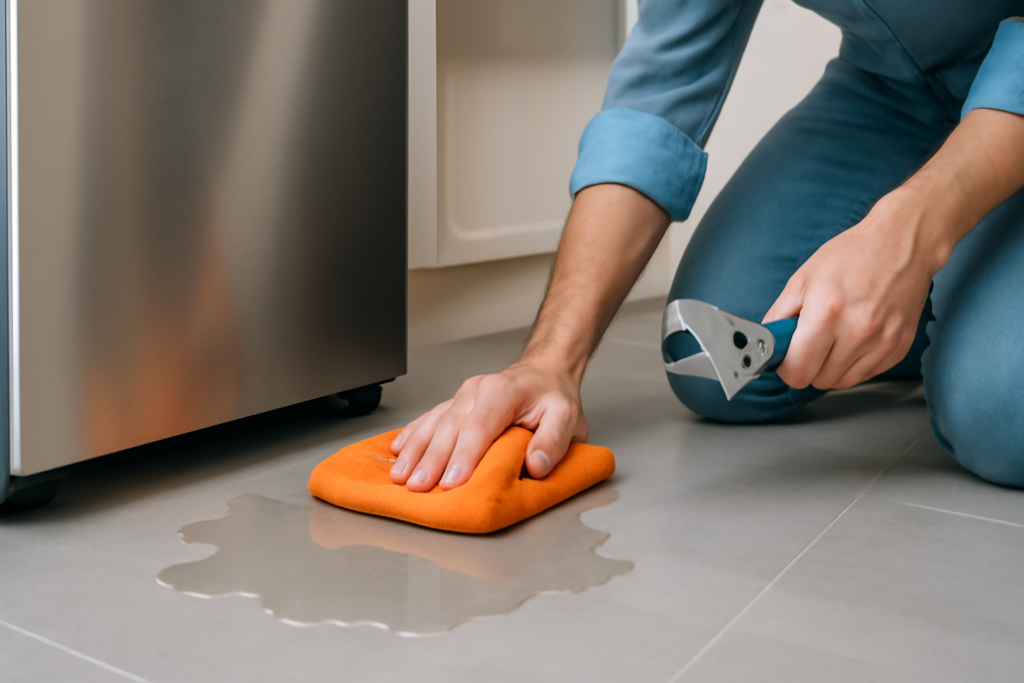
When the defrost heater fails, you’ll see thick frost or ice buildup on the back wall of your freezer compartment. Your food might not stay as cold as it should, and you may hear the compressor running constantly trying to compensate.
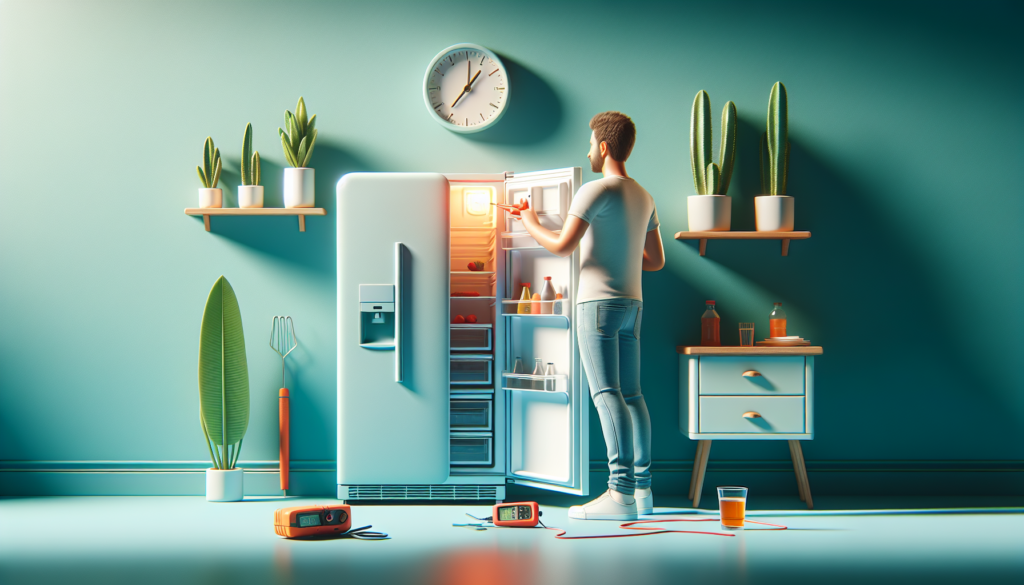
Testing the defrost heater is relatively simple with a multimeter. Unplug your refrigerator first (safety always comes first), then locate the defrost heater behind the back panel of your freezer. Remove the heater and test for continuity. A functioning heater should show between 10 and 50 ohms of resistance.

Replacement Refrigerator Defrost Heater
Compatible with most major brands and often easier to replace than you’d think
Defrost Thermostat and Timer Issues
The defrost heater doesn’t work alone. It’s controlled by two other components: the defrost thermostat and the defrost timer. The thermostat monitors the temperature of the evaporator coils and tells the heater when to turn on. The timer determines how often the defrost cycle runs, typically every 8 to 10 hours.
A faulty defrost thermostat is one of the most common causes of heating problems in refrigerators. This small component usually sits right on the evaporator coils and can be tested with a multimeter. It should show continuity when cold (below 40°F) and no continuity when warm.
The defrost timer is usually located behind the kickplate at the bottom of your fridge or inside the control panel. You can manually advance it with a screwdriver to test if it’s working. Turn it slowly until you hear a click. Your compressor should shut off and the defrost heater should turn on within a few minutes.
Airflow Problems That Mimic Heating Issues
Sometimes what looks like a heating element problem is actually an airflow issue. Your refrigerator relies on a precise circulation pattern to maintain consistent temperatures throughout all compartments.
The evaporator fan is responsible for moving cold air from the freezer to the fresh food section. When this fan fails, your freezer might get too cold while your refrigerator section warms up. You’ll often hear a difference in sound when the evaporator fan stops working, or you might not hear the usual airflow noise at all.

Refrigerator Evaporator Fan Motor
Essential for proper air circulation and available for most refrigerator models
Check the evaporator fan by opening your freezer door and listening. The fan should run whenever the compressor is running. Try manually spinning the fan blade. It should turn freely without resistance. Any grinding, squeaking, or difficulty turning indicates it’s time for a replacement.
Blocked vents can also create symptoms similar to heating element failure. Make sure you’re not overloading your freezer or blocking the vents with food items. Air needs to flow freely from the freezer to the refrigerator compartment.
Temperature Control and Sensor Problems
Modern refrigerators use temperature sensors and electronic control boards instead of mechanical thermostats. These sensors tell the control board when to run the compressor, fans, and defrost heater. When they fail, your fridge can’t regulate temperatures properly.
A failing temperature sensor might cause your refrigerator to run too warm, too cold, or cycle on and off erratically. You can test these sensors with a multimeter by measuring their resistance at different temperatures. Check your refrigerator’s service manual for the correct resistance values.
The main control board processes information from all the sensors and controls every component. Control board failures are less common than sensor or heating element problems, but they do happen. Signs include error codes on your display panel, complete loss of cooling, or components that won’t turn on at all.
DIY Fixes vs. When to Call a Professional
Replacing a defrost heater, thermostat, or evaporator fan is within reach for most handy homeowners. These repairs typically require basic tools like screwdrivers, a nut driver set, and a multimeter. You’ll also need to safely remove panels and work with electrical components while the unit is unplugged.
Always unplug your refrigerator before attempting any repairs. Take photos as you disassemble components so you remember how everything goes back together. Watch a few YouTube videos specific to your refrigerator model before starting.
However, some repairs are better left to professionals. Sealed system problems involving refrigerant leaks or compressor issues require specialized equipment and EPA certification. Control board replacements can be tricky because they’re expensive parts, and misdiagnosis means you’ve wasted money.
You should also call a pro if you’re not comfortable working with electrical components or if you can’t safely access the parts that need testing. A service call typically costs between what you’d expect for a professional diagnosis, and it might save you from buying the wrong part.
Frequently Asked Questions
How often should the defrost cycle run on my refrigerator?
Most refrigerators run a defrost cycle every 8 to 12 hours of compressor run time. Each cycle lasts about 20 to 30 minutes. You usually won’t notice this happening because it occurs automatically. If you’re seeing excessive frost buildup, your defrost system probably isn’t cycling often enough or the heater isn’t working.
Can I still use my refrigerator if the defrost heater is broken?
You can use it temporarily, but you’ll need to manually defrost it every few days. Unplug the unit, remove all food, and let the ice melt completely. This is obviously not a long-term solution. Continued use with a broken defrost heater will make your compressor work overtime and could lead to more expensive repairs down the road.
Why is my freezer cold but my refrigerator warm?
This usually indicates an evaporator fan problem or a blocked air duct between the freezer and refrigerator sections. The freezer creates all the cold air, and the fan distributes it to the fresh food section. Check if you can hear the fan running and make sure nothing is blocking the vents. A broken evaporator fan motor is one of the most common causes of this specific symptom.
This article contains affiliate links. We may earn a small commission at no extra cost to you.