Standing over a kitchen sink filled with murky water while dirty dishes pile up around you is incredibly frustrating. That slow drain you’ve been ignoring for weeks has finally given up completely, leaving you with a mess that seems impossible to tackle.
The good news is that most kitchen sink clogs can be cleared using simple household items and techniques you probably already know. Before you reach for harsh chemical drain cleaners or call an expensive plumber, there are several safe and effective methods you can try at home.
We’ll walk you through six proven steps to get your kitchen drain flowing freely again, starting with the gentlest approaches and working up to more intensive solutions. Most clogs will clear with the first few methods, but we’ve got you covered if you’re dealing with a particularly stubborn blockage.
Step 1: Clear the Obvious Debris
Before you try any drain-clearing techniques, start with the most basic step. Remove any visible food scraps, grease, or debris from the sink basin and around the drain opening.
Pull out the drain stopper or strainer if your sink has one. You might be surprised by how much gunk has accumulated underneath. Clean off any buildup with warm soapy water and a brush.
Check for any objects that might have fallen down the drain recently. Bottle caps, jewelry, or large food particles can create blockages that won’t respond to liquid solutions. Use a flashlight to peer down the drain and remove anything you can reach with tweezers or needle-nose pliers.
Step 2: Try Hot Water First
Boiling water is often the simplest solution for minor clogs caused by grease or soap buildup. Heat a large pot of water to a rolling boil and carefully pour it down the drain in two to three stages, allowing the hot water to work for several seconds between pours.
The hot water helps dissolve grease and flush away loose debris. This method works best on partial clogs where water still drains slowly rather than complete blockages.
Be cautious with this method if you have PVC pipes, as boiling water can potentially damage plastic plumbing. Use very hot tap water instead of boiling water for PVC systems.
Step 3: Use Baking Soda and Vinegar
This classic combination creates a fizzing reaction that can break up many types of clogs without harsh chemicals. Start by pouring about half a cup of baking soda directly down the drain.
Follow with approximately one cup of white vinegar. You’ll hear fizzing and bubbling as the reaction begins. Cover the drain with a stopper or wet rag to contain the reaction and force it deeper into the pipes.
Let this mixture work for 15 to 30 minutes, then flush with hot water. The combination helps dissolve organic matter and can clear soap scum, food particles, and minor grease buildups.
Arm & Hammer Pure Baking Soda
Large container perfect for cleaning tasks and drain maintenance
For extra cleaning power, you can add a few drops of dish soap to the mixture before covering the drain. This helps break down grease more effectively.
Step 4: Plunge the Drain
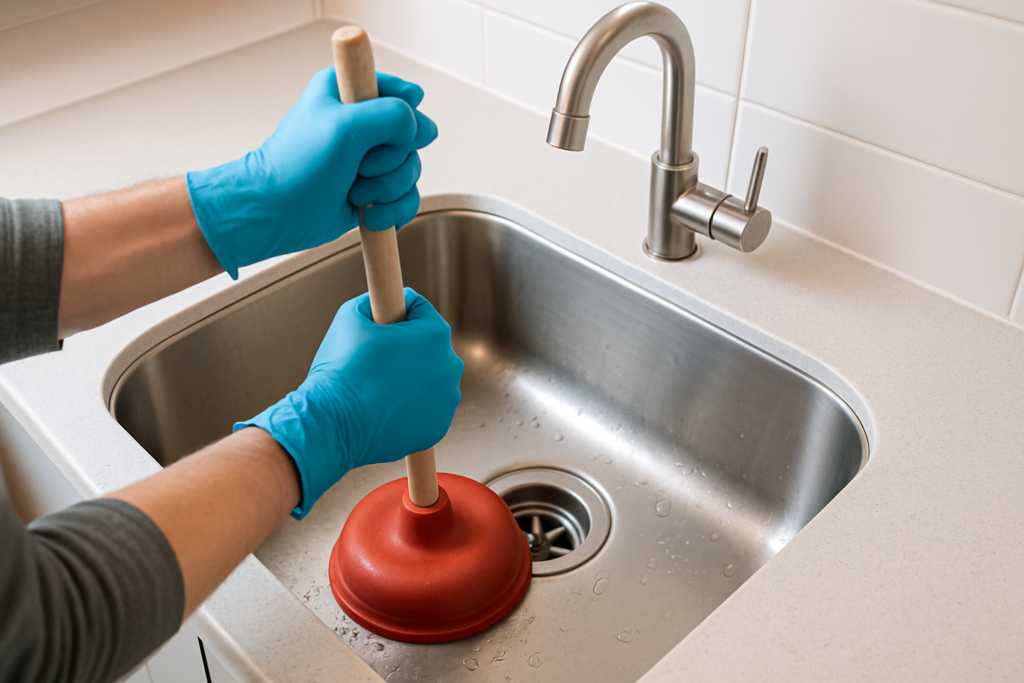
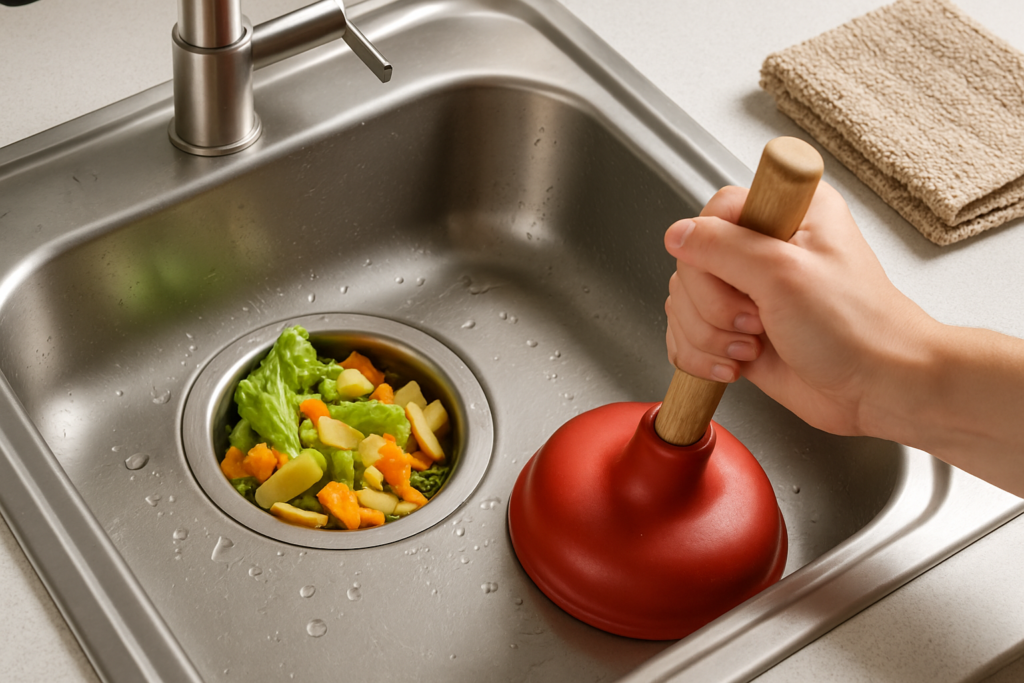
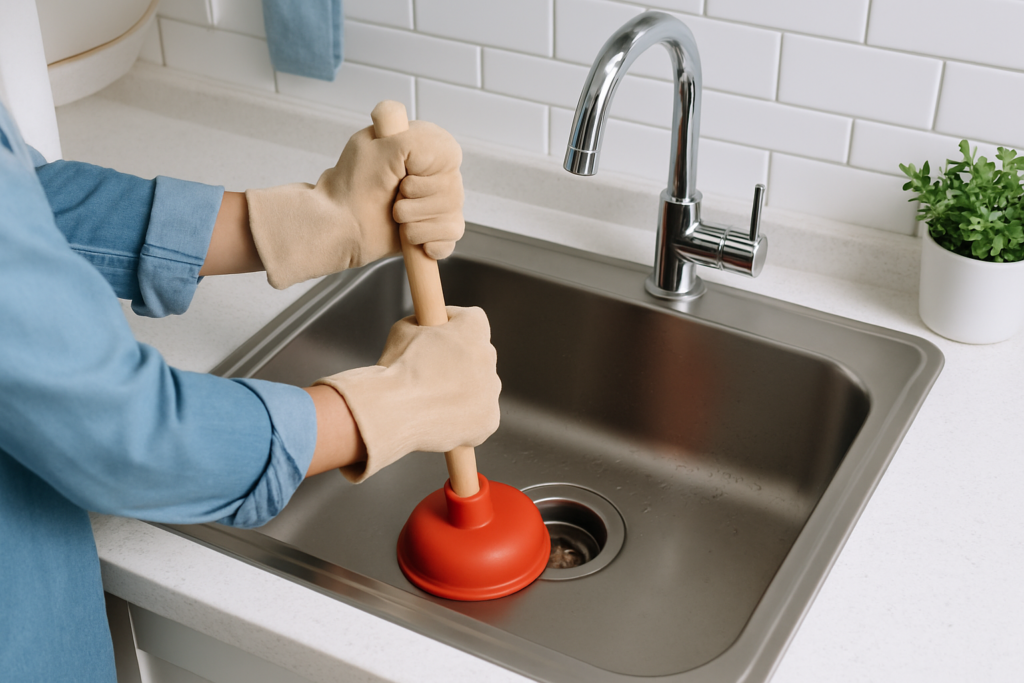
A plunger designed for sinks can create enough pressure to dislodge stubborn clogs. Make sure you’re using a cup plunger rather than a flange plunger, which is designed for toilets.
Fill the sink with enough water to cover the plunger cup completely. If you have a double sink, block the second drain with a wet rag to maintain proper suction.
Place the plunger over the drain and pump vigorously 15 to 20 times. The up and down motion creates pressure changes that can break up clogs and push debris through the pipes.
Korky 99-4A Beehive Max Universal Toilet Plunger
Versatile design that works well for both toilets and sink drains
Remove the plunger quickly after the final pump to see if water drains normally. You may need to repeat this process several times for tough clogs.
Step 5: Use a Drain Snake or Auger
When liquid solutions and plunging don’t work, it’s time to physically remove the clog. A drain snake or auger is a flexible tool that can reach deep into your pipes to break up or retrieve blockages.
Feed the snake down the drain slowly, turning the handle clockwise as you push. You’ll feel resistance when you hit the clog. Continue turning and pushing to break through or hook onto the obstruction.
Once you’ve worked through the clog, slowly pull the snake back out. You might bring debris with you, or you might have simply broken up the blockage enough for water to flow through.
FlexiSnake Drain Weasel Sink Snake
Specifically designed for kitchen sinks with a rotating handle for easy operation
Run hot water after snaking to flush away any remaining debris. A 25-foot drain snake should handle most household clogs, though you might not need to extend it fully.
Step 6: Check the P-Trap
If none of the previous methods work, the clog might be in your sink’s P-trap. This U-shaped pipe section under the sink is designed to hold water and prevent sewer gases from entering your home, but it can also trap debris.
Before starting, place a bucket under the P-trap to catch water and debris. Turn off the water supply to be safe, though this step isn’t always necessary.
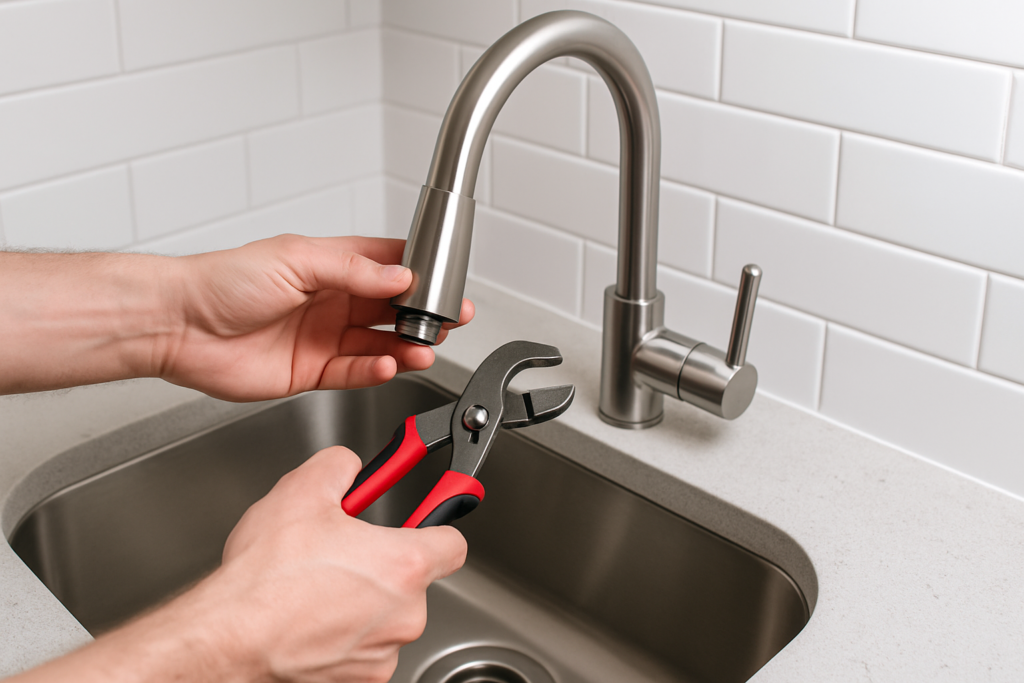
Unscrew the slip nuts on both sides of the P-trap using channel-lock pliers or a pipe wrench. The trap will likely be full of water and debris, which will spill into your bucket.
Clean out the P-trap thoroughly with hot soapy water and a bottle brush. Check both ends for any stubborn clogs or buildup. Reassemble the connections hand-tight, then snug with pliers without over-tightening.

RIDGID 31100 Model 101 Close Quarters Tubing Cutter
Essential plumbing tool that every homeowner should have for pipe maintenance
When to Call a Professional
While most kitchen sink clogs can be resolved with these methods, some situations require professional help. Call a plumber if you notice any of these warning signs.
Multiple drains in your home are backing up simultaneously, which could indicate a main sewer line problem. Water backing up into other fixtures when you run the kitchen sink also suggests a more serious issue.
Persistent bad odors coming from the drain after cleaning might indicate a broken or damaged pipe. Similarly, if you hear gurgling sounds from other drains when using the kitchen sink, there could be a venting problem.
Don’t attempt P-trap removal if you’re not comfortable with basic plumbing tasks. A small mistake can lead to leaks and water damage that cost much more than a service call.
Prevention Tips to Avoid Future Clogs
Preventing clogs is much easier than clearing them. A few simple habits will keep your kitchen drain flowing smoothly and save you from future headaches.
Never pour cooking grease or oil down the drain, even with hot water. Grease solidifies as it cools and creates stubborn blockages. Instead, let grease cool and scrape it into the trash, or collect it in a container for disposal.
Install a quality drain strainer to catch food particles before they enter your pipes. Empty the strainer regularly and clean it with hot soapy water to prevent odor buildup.
Run hot water for 30 seconds after each use to help flush debris through the pipes. Once a week, pour a pot of boiling water down the drain to dissolve any grease buildup.
Avoid putting fibrous foods like celery, artichokes, or corn husks down the disposal, as these can wrap around the blades and create clogs. Coffee grounds should also go in the trash rather than down the drain.
What Not to Use
While it’s tempting to reach for chemical drain cleaners, these products can cause more harm than good. Caustic chemicals can damage your pipes, especially if you have older plumbing or PVC connections.
Chemical cleaners are also dangerous to handle and can create toxic fumes when mixed with other substances. They’re particularly hazardous if you need to plunge or snake the drain afterward.
Avoid using wire coat hangers or other improvised tools that might scratch your pipes or get stuck in the drain. Purpose-built drain snakes are inexpensive and much more effective.
Frequently Asked Questions
How often should I clean my kitchen drain?
Clean your kitchen drain weekly with hot water and monthly with the baking soda and vinegar method. This prevents buildup that leads to clogs. If you cook frequently or have a garbage disposal, you might need to clean more often.
Can I use a toilet plunger on my kitchen sink?
Toilet plungers with flanges don’t work well on sink drains and aren’t sanitary for kitchen use. Use a cup plunger specifically designed for sinks and tubs. Keep separate plungers for different areas of your home.
Why does my drain smell bad even when it’s not clogged?
Bad odors usually come from food particles and grease buildup in the pipes or garbage disposal. Clean with baking soda and vinegar, then flush with hot water. If the smell persists, the P-trap might need cleaning or there could be a venting issue.
Is it safe to leave baking soda and vinegar in the drain overnight?
Yes, leaving the mixture overnight can help with stubborn clogs. The extended contact time allows the reaction to work on buildup more thoroughly. Cover the drain to contain the reaction and prevent odors from escaping.
Most kitchen sink clogs respond well to these simple techniques, and you’ll likely find success with the first few methods. Regular maintenance and mindful disposal practices will keep your drains running smoothly for years to come.
This article contains affiliate links. We may earn a small commission at no extra cost to you.