
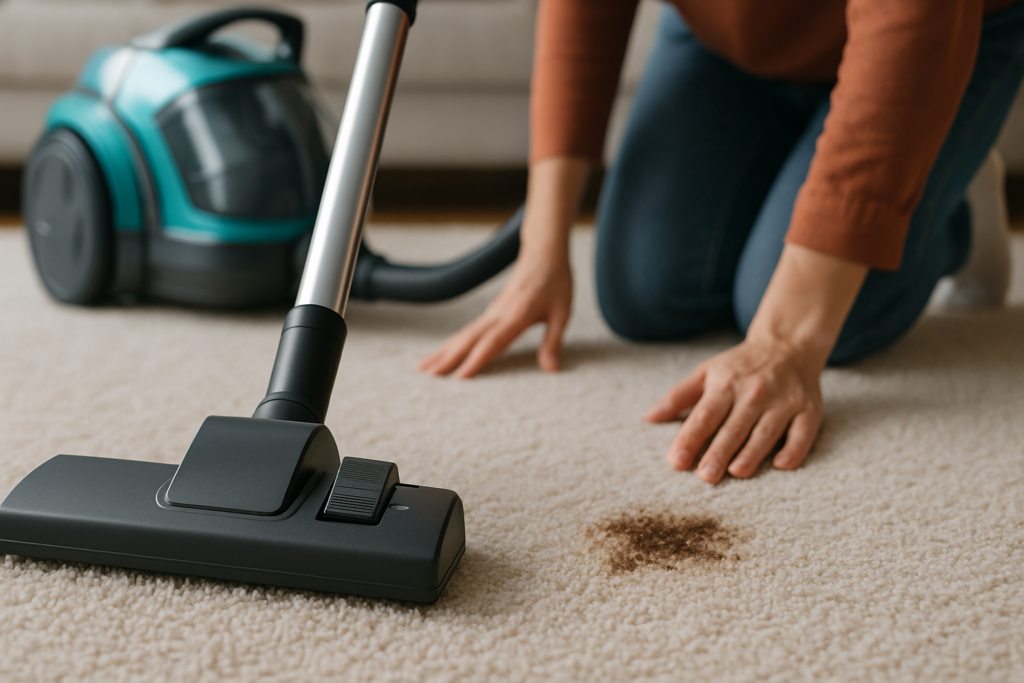
You vacuum regularly, but your carpets still look worn and dingy. The problem might not be your cleaning schedule but how you’re actually using your vacuum cleaner. Many homeowners unknowingly damage their carpets through common vacuuming mistakes that seem harmless but cause long-term wear and tear.
Your vacuum cleaner should protect your carpet investment, not destroy it. Yet five specific mistakes can turn your cleaning routine into a carpet-wrecking nightmare. These errors reduce your carpet’s lifespan, make it look older than it is, and can even void manufacturer warranties.
Understanding these mistakes will help you vacuum smarter, keep your carpets looking fresh longer, and avoid costly premature replacements. Let’s examine each mistake and how to fix it.
1. Using the Wrong Height Setting
Most vacuum cleaners have height adjustment settings, but many people set them once and forget about them. This single mistake causes more carpet damage than almost any other vacuuming error.
How Wrong Height Settings Damage Carpets
When your vacuum sits too low, the beater bar pounds carpet fibers aggressively. This excessive beating breaks down the carpet backing, loosens fibers, and creates that fuzzy, worn appearance. You’ll notice increased shedding and premature matting in high-traffic areas.
Setting the vacuum too high creates the opposite problem. The suction becomes ineffective, leaving dirt and debris embedded in carpet fibers. Over time, this ground-in dirt acts like sandpaper, wearing down fibers from within.
The Right Way to Set Vacuum Height
Start with the highest setting and gradually lower it until you feel slight resistance when pushing the vacuum forward. You should hear the motor working but not straining. The vacuum should glide smoothly without requiring excessive force.
For thick, plush carpets, keep the setting higher. Low-pile carpets and berber styles need lower settings. Adjust the height every time you move between different carpet types or areas with varying pile heights.
Test your setting by checking the suction at the carpet surface. Hold a tissue near the carpet while the vacuum runs. The tissue should be pulled toward the carpet but not sucked up completely.
2. Ignoring Dirty Filters and Full Bags
Dirty filters and overfilled bags reduce suction power dramatically. When your vacuum can’t create proper airflow, it compensates by running the motor harder and keeping the beater bar in contact with carpet longer.
The Hidden Damage of Poor Airflow
Reduced suction means multiple passes over the same area, increasing wear on carpet fibers. The vacuum’s beater bar continues grinding against the carpet while picking up less debris. This creates a double problem: more mechanical wear and less cleaning effectiveness.
Clogged filters also cause the motor to overheat, leading to inconsistent suction power. Your vacuum might work normally for a few minutes, then lose power as the motor struggles. This inconsistency makes you vacuum areas repeatedly.
Proper Filter and Bag Maintenance
Replace or clean filters every three months for average use, monthly for heavy use. Check your owner’s manual for specific recommendations. Some HEPA filters need replacement every six months, while foam filters can be washed and reused.
Change vacuum bags when they’re two-thirds full, not completely packed. A full bag restricts airflow even if it technically holds more debris. For bagless models, empty the canister when it reaches the fill line, usually about halfway full.
Keep spare bags and filters on hand. The Shark Navigator, for example, uses specific filter types that aren’t interchangeable with other models. Stock up so you’re never tempted to delay maintenance.
3. Choosing the Wrong Vacuum Type for Your Carpet
Not all vacuums work well on all carpet types. Using an upright vacuum designed for thick carpets on delicate area rugs can cause serious damage. Similarly, stick vacuums often lack the power needed for deep-pile carpeting.
Matching Vacuum Types to Carpet Styles
Berber and low-pile carpets work best with vacuums that have adjustable or no beater bars. The looped construction of berber can snag on aggressive beater bars, pulling loops and creating runs in the carpet.
Thick, plush carpets need powerful upright vacuums with adjustable height settings. Models like the Bissell CrossWave or Shark Navigator work well because they provide strong suction without over-beating the fibers.
Antique or delicate rugs require gentle canister vacuums with soft brush attachments. Avoid beater bars entirely on these surfaces. Use the upholstery attachment or a soft brush tool instead.
Signs You’re Using the Wrong Vacuum Type
Your carpet shows excessive shedding after vacuuming, or you notice pulled loops in berber carpeting. The vacuum feels difficult to push or seems to grab and pull at the carpet surface.
You might also notice that debris isn’t being picked up effectively, requiring multiple passes over the same area. This usually indicates insufficient suction power for your carpet type.
4. Vacuuming Too Fast
Speed vacuuming might save time, but it’s terrible for your carpets. Racing across the surface doesn’t allow proper dirt extraction and can damage fibers through rapid beater bar contact.
Why Slow Vacuuming Works Better
Proper vacuuming requires time for suction to lift debris from deep within carpet fibers. Moving too quickly means the vacuum only captures surface dirt while leaving embedded particles behind.
Fast vacuuming also creates turbulence that can redistribute dirt rather than collecting it. You end up scattering debris to other areas instead of removing it completely.
The beater bar needs time to agitate fibers properly and lift dirt to the surface. Rushing this process reduces cleaning effectiveness and increases mechanical wear on both the carpet and vacuum.
The Right Vacuuming Speed
Move the vacuum at about one foot per second, roughly the pace of a slow walk. Make overlapping passes, covering each area from different directions when possible.
For high-traffic areas, make two slow passes instead of four quick ones. This approach provides better cleaning with less wear on carpet fibers.
Pay attention to the sound of your vacuum. You should hear consistent suction without the motor straining. If the motor sound changes pitch frequently, you’re probably moving too fast.
5. Skipping Regular Deep Cleaning
Regular vacuuming removes surface dirt, but carpets need periodic deep cleaning to remove embedded soil and oils. Skipping this maintenance allows buildup that makes regular vacuuming less effective and more damaging.
How Soil Buildup Damages Carpets
Ground-in dirt acts like abrasive particles that cut carpet fibers during normal foot traffic. When vacuuming can’t remove these particles, they continue causing damage between cleaning sessions.
Oil-based soils from cooking, pets, and skin contact attract more dirt and create sticky buildup that regular vacuuming can’t address. This buildup makes carpet fibers clump together, creating matted areas that look worn even when the carpet is relatively new.
Creating an Effective Deep Cleaning Schedule
Professional cleaning or deep cleaning with a carpet cleaner should happen every 12-18 months for average households, more frequently for homes with pets or heavy traffic.
Between professional cleanings, use a quality carpet cleaner like the Bissell ProHeat or Hoover Power Scrub for spot cleaning and annual deep cleaning. These machines remove embedded soil that regular vacuuming leaves behind.
Address spills immediately to prevent permanent staining and soil buildup. Keep a carpet spot cleaner handy for quick treatment of accidents and high-traffic areas.
Additional Tips for Carpet-Safe Vacuuming
Beyond avoiding these common mistakes, several additional practices will help protect your carpets during regular maintenance.
Vacuum Pattern Matters
Change your vacuuming pattern regularly to prevent permanent traffic patterns in the carpet pile. Vacuum north-south one week, east-west the next. This helps maintain uniform pile direction and prevents matting.
For rooms with multiple entry points, vacuum toward the main entrance to help carpet pile lean in the natural traffic direction.
Pre-Treat High-Traffic Areas
Spray high-traffic areas with a carpet pre-treatment solution before vacuuming. This helps break down soil and makes vacuuming more effective. Allow the treatment to sit for the recommended time before vacuuming.
Focus extra attention on areas in front of furniture, doorways, and halls where soil accumulates quickly.
Frequently Asked Questions
How often should I vacuum my carpets?
High-traffic areas need daily vacuuming, while bedrooms and low-use areas can be vacuumed twice weekly. Homes with pets or small children might need more frequent vacuuming in all areas. The key is consistency rather than intensity.
Can vacuuming too much damage my carpet?
Yes, excessive vacuuming with incorrect settings can damage carpet fibers. However, proper vacuuming technique with correct height settings and well-maintained equipment won’t cause damage even with daily use. Focus on technique over frequency.
Should I vacuum new carpet differently?
New carpets often shed excess fibers for the first few months. Use a lighter touch and higher height settings initially. Don’t be alarmed by shedding, but empty the vacuum bag or canister more frequently during this break-in period.
What’s the best way to vacuum carpet edges and corners?
Use your vacuum’s crevice tool or edge brush attachment for corners and baseboards. Many upright vacuums have edge cleaning features, but attachments provide better results. Vacuum these areas weekly to prevent soil buildup that attracts dirt to the main carpet areas.
Taking care of your carpets through proper vacuuming technique extends their life and keeps them looking fresh longer. Avoid these five common mistakes, maintain your equipment properly, and establish a consistent cleaning routine. Your carpets will reward you with years of beautiful, comfortable flooring that maintains its appearance and value.