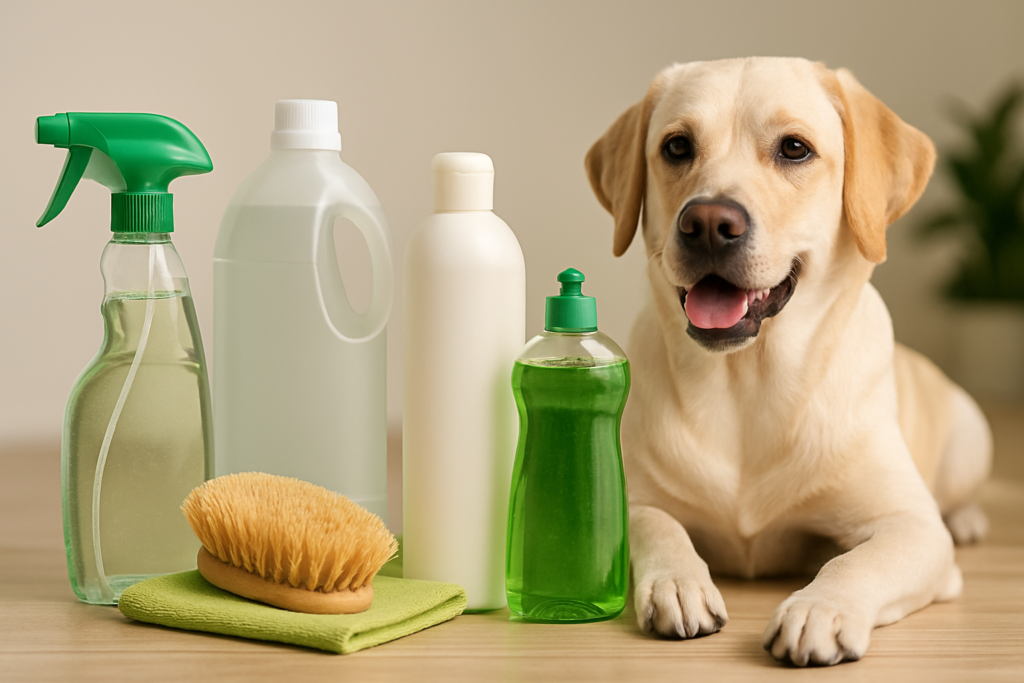
Every pet parent faces the same dilemma: keeping your home spotless while protecting your furry family members from harmful chemicals. Traditional cleaning products might make your counters shine, but they can pose serious risks to pets who explore the world with their noses and mouths. Dogs lick floors, cats groom themselves after walking on freshly cleaned surfaces, and both can suffer from respiratory irritation caused by strong chemical fumes.
The good news is that you don’t have to choose between a clean home and your pet’s safety. Today’s market offers numerous pet-friendly cleaning alternatives that work just as effectively as their chemical-heavy counterparts. From trusted commercial brands to simple DIY solutions you can whip up in minutes, there are options for every cleaning challenge and budget.
Understanding which ingredients to avoid and which products truly deliver on their promises can save you time, money, and potentially expensive vet bills. Let’s explore the world of pet-safe cleaning and find the perfect solutions for your home.
Dangerous Ingredients to Avoid
Before diving into safe alternatives, you need to know what’s lurking in your current cleaning cabinet. Several common ingredients can cause everything from mild stomach upset to serious poisoning in pets.
Ammonia tops the list of hazardous chemicals. Found in many glass cleaners and floor products, ammonia can irritate your pet’s respiratory system and cause chemical burns if they come into direct contact with it. Cats are particularly sensitive because ammonia smells like urine to them, potentially causing behavioral issues.
Bleach and chlorine compounds create another major concern. While effective at killing germs, these chemicals can cause severe gastrointestinal distress, respiratory problems, and skin irritation. Even small amounts ingested through grooming can make your pet seriously ill.
Phenols, commonly found in disinfectants and all-purpose cleaners, are especially toxic to cats who lack the enzymes needed to process these compounds. Brands like Lysol and Pine-Sol contain phenols that can accumulate in your cat’s system over time, leading to liver damage.
Glycol ethers, often listed as 2-butoxyethanol or ethylene glycol, appear in many window cleaners and degreasers. These chemicals can cause anemia, kidney damage, and neurological problems in both dogs and cats.
Top Commercial Pet-Safe Cleaning Products
Several brands have stepped up to create genuinely pet-friendly cleaning solutions that don’t compromise on effectiveness. These products undergo rigorous testing and often carry certifications from veterinary organizations.
Better Life All-Purpose Cleaner
Better Life has earned a reputation for creating plant-based cleaners that actually work. Their all-purpose cleaner uses natural surfactants and essential oils to cut through grease and grime without leaving toxic residues. The formula is pH-balanced and safe for use around pets immediately after cleaning.
This cleaner handles kitchen messes, bathroom surfaces, and general household cleaning with impressive results. The light citrus scent dissipates quickly, and you won’t need to worry about ventilation or keeping pets out of treated areas.

Better Life All-Purpose Cleaner
Plant-based formula that’s tough on messes but gentle around pets
Seventh Generation Disinfecting Multi-Surface Cleaner
When you need disinfecting power without harsh chemicals, Seventh Generation delivers. Their EPA-registered disinfectant kills 99.99% of bacteria and viruses using a thyme oil-based formula. This makes it one of the few pet-safe products that can legitimately claim disinfecting properties.
The thyme oil provides natural antimicrobial action while remaining safe for pets once surfaces dry. It’s particularly useful during cold and flu season when you want to disinfect frequently-touched surfaces without creating a hazardous environment for your animals.
Method Antibacterial All-Purpose Cleaner
Method combines style with safety in their antibacterial cleaner. The formula uses naturally derived ingredients to eliminate bacteria while leaving surfaces streak-free and pleasantly scented. Their pump bottles make application easy and help prevent overuse.
This cleaner performs particularly well on kitchen surfaces, cutting boards, and high-touch areas where bacteria accumulation poses risks to both human and pet health. The quick-drying formula means pets can safely return to cleaned areas within minutes.
Method Antibacterial All-Purpose Cleaner
Naturally derived antibacterial action with stylish packaging and pet-safe ingredients
DIY Pet-Safe Cleaning Solutions
Creating your own pet-friendly cleaners gives you complete control over ingredients while saving money. These simple recipes use common household items to tackle most cleaning challenges.
Basic All-Purpose Cleaner
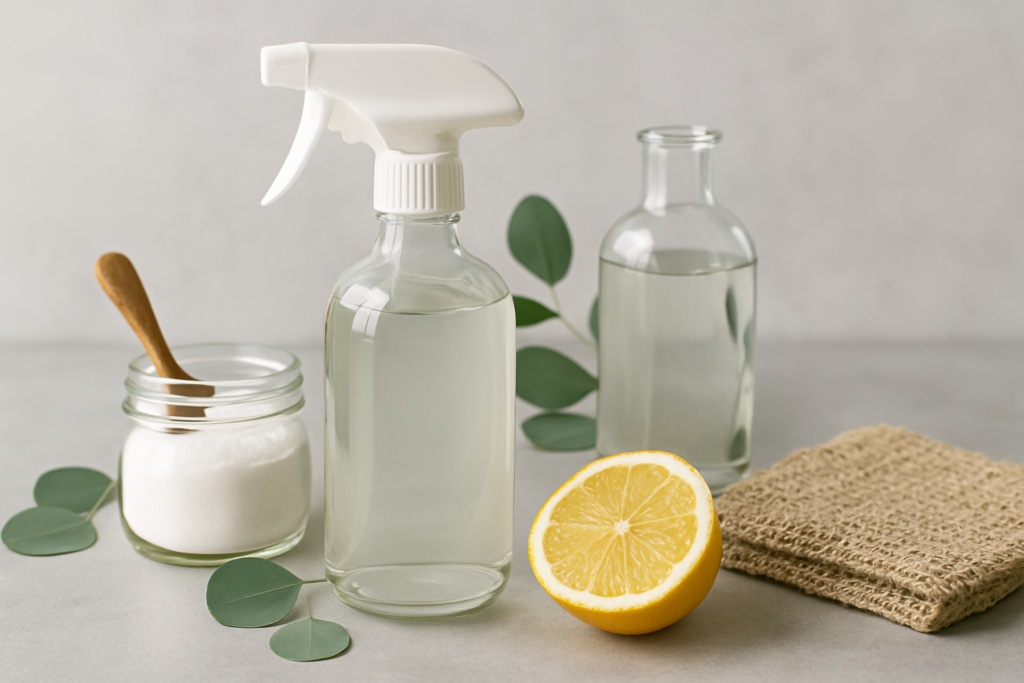
Mix one part white vinegar with one part water in a spray bottle. Add a few drops of pet-safe essential oil like lavender or chamomile for scent. This solution works on windows, counters, and most hard surfaces. The vinegar smell dissipates as it dries, leaving surfaces clean and residue-free.
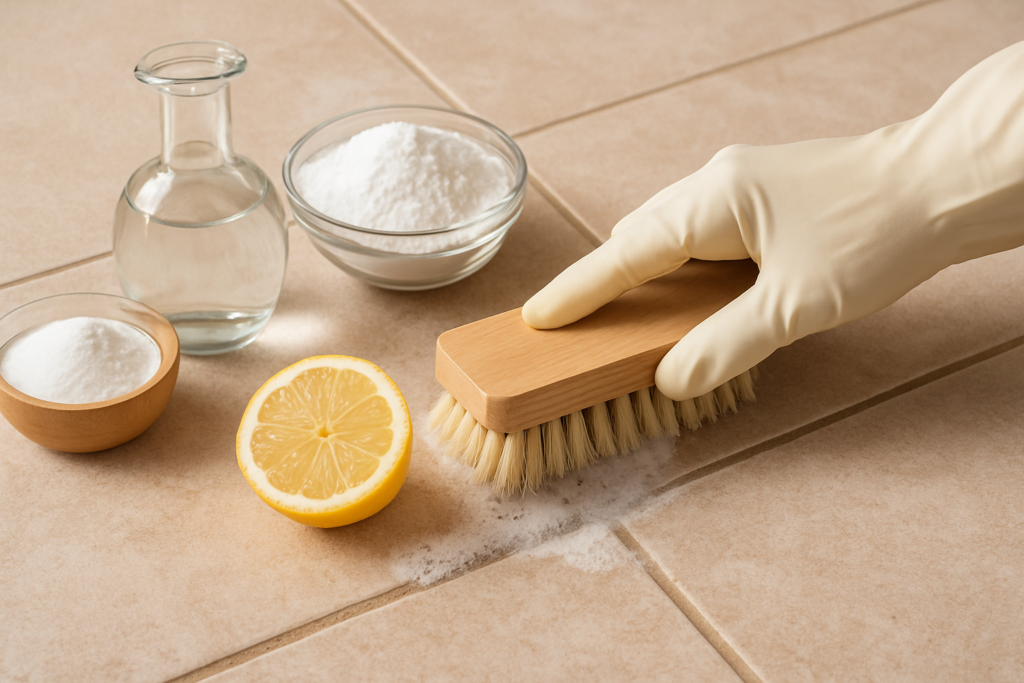
For extra cleaning power, add one tablespoon of baking soda per cup of mixture. This creates a mild abrasive action perfect for scrubbing stubborn stains or soap scum.
Floor Cleaner
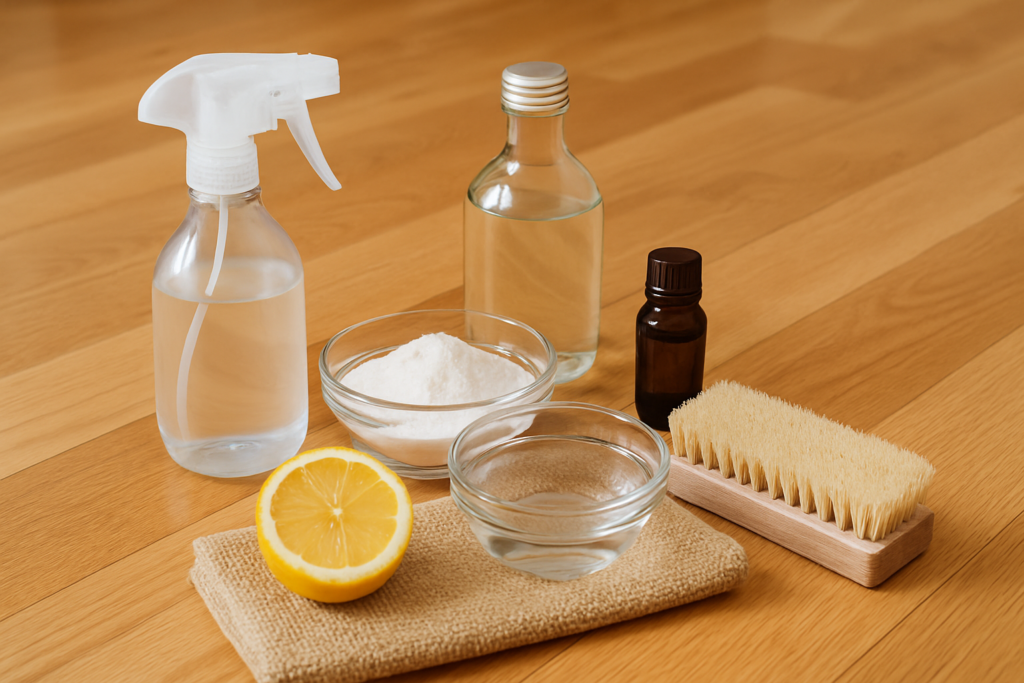
Combine half a cup of white vinegar with one gallon of warm water. This mixture safely cleans hardwood, tile, and laminate floors without leaving streaks or harmful residues. Your pets can walk on treated floors immediately after mopping.
For heavily soiled areas, add two tablespoons of castile soap to the mixture. Castile soap is made from plant oils and provides gentle cleaning action without synthetic additives.
Carpet Deodorizer
Sprinkle plain baking soda over carpeted areas and let sit for 15 minutes before vacuuming. For enhanced odor elimination, mix baking soda with a small amount of cornstarch and a few drops of pet-safe essential oil.
This method neutralizes odors without masking them with artificial fragrances that might irritate sensitive pet noses. It’s particularly effective for eliminating accident odors and general pet smells.
Effectiveness Comparison: Commercial vs. DIY
Both commercial pet-safe products and DIY solutions have their place in a pet-friendly cleaning routine. Understanding their strengths and limitations helps you choose the right approach for each situation.
Commercial products excel in convenience and specialized applications. The Better Life All-Purpose Cleaner outperforms basic vinegar solutions on greasy kitchen messes, while Seventh Generation’s disinfectant provides germ-killing power that DIY solutions can’t match.
DIY solutions shine in cost-effectiveness and customization. A gallon of homemade floor cleaner costs pennies compared to commercial alternatives, and you can adjust concentrations based on your specific cleaning needs. However, they require more preparation time and storage space for ingredients.
For disinfecting, commercial products have a clear advantage. EPA-registered disinfectants like those from Seventh Generation undergo rigorous testing to prove their antimicrobial effectiveness. DIY solutions can clean thoroughly but don’t provide verified germ-killing action.
Scent preferences often determine choice. Commercial products offer consistent fragrances, while DIY solutions let you customize scents or create unscented versions for pets with sensitivity issues.
Seventh Generation Disinfecting Multi-Surface Cleaner
EPA-registered disinfectant using thyme oil that’s safe for pets once surfaces dry
Special Considerations for Different Pets
Different pets have varying sensitivities to cleaning products, requiring tailored approaches to maintain their safety and comfort.
Cats
Cats present the highest risk for cleaning product poisoning due to their grooming habits and unique metabolism. They can’t process many chemicals that are safe for dogs, making ingredient selection critical. Avoid anything containing phenols, pine oils, or tea tree oil around cats.
Their tendency to walk on counters and then groom themselves means every surface they contact should be completely safe. Stick to simple vinegar-based solutions or certified cat-safe commercial products when cleaning areas your cat frequents.
Dogs
Dogs typically tolerate a wider range of cleaning products than cats, but their habit of licking floors and investigating with their noses still requires caution. Focus on ensuring floors and low surfaces are completely safe, as these areas see the most dog contact.
Larger dogs with access to counters need the same level of protection as cats. Small dogs face higher risks from chemical exposure due to their size, requiring the same precautions you’d take for cats.
Birds
Birds have extremely sensitive respiratory systems that react badly to most aerosol products and strong scents. Even pet-safe cleaners with essential oils can cause respiratory distress in birds. Stick to unscented, vinegar-based solutions and ensure excellent ventilation when cleaning bird areas.
Remove birds from the area during cleaning and don’t return them until all surfaces are completely dry and odor-free. Their rapid metabolism means they process toxins differently than mammals, making prevention crucial.
Room-by-Room Cleaning Guide
Kitchen
Kitchen cleaning requires balancing food safety with pet safety. Use Better Life All-Purpose Cleaner on counters and appliances, as it’s safe for food contact surfaces. For the floor, stick to vinegar-water solutions since pets frequently drink spilled water from kitchen floors.
Clean up spills immediately to prevent pets from investigating potentially harmful substances. Store cleaning supplies in secured cabinets, as curious pets often explore kitchen areas.
Bathroom
Bathrooms benefit from disinfecting power, making commercial pet-safe disinfectants worthwhile investments. Focus on ventilation during cleaning, as bathroom chemicals can concentrate in small spaces. Many cats drink from toilet bowls, so ensure toilet cleaners are completely pet-safe or keep lids closed.
Living Areas
Living rooms and bedrooms where pets spend significant time require the gentlest approach. DIY solutions work well for regular maintenance, while commercial products handle deep cleaning tasks. Pay special attention to areas where pets sleep or frequently rest.
Storage and Safety Tips
Even pet-safe products require proper storage and handling. Keep all cleaning supplies in secured cabinets away from curious paws and noses. Many pets can open doors or knock over bottles, creating unnecessary risks.
Always read labels completely, even on pet-safe products. Some require surfaces to dry completely before pet contact, while others are safe for immediate use. When in doubt, err on the side of caution and keep pets away until surfaces are dry.
Maintain good ventilation during cleaning sessions. While pet-safe products produce fewer harmful fumes, adequate airflow prevents any potential respiratory irritation and helps products dry faster.
Method Antibacterial All-Purpose Cleaner
Combines effective bacteria-killing power with pet-safe natural ingredients
Frequently Asked Questions
How long should I wait before letting my pets back into cleaned areas?
This depends on the product used. Most commercial pet-safe cleaners are safe for immediate pet contact once surfaces appear dry. DIY vinegar solutions typically need only a few minutes of drying time. Always check product labels for specific guidance, and when in doubt, wait until surfaces are completely dry and any odor has dissipated.
Are essential oils in cleaning products safe for pets?
Some essential oils are safe for pets in small concentrations, while others can be toxic. Lavender and chamomile are generally safe for dogs and cats, while tea tree oil, eucalyptus, and citrus oils can cause problems. Birds are particularly sensitive to all essential oils. When choosing commercial products with essential oils, look for those specifically labeled as pet-safe and tested by veterinary professionals.
Can I use regular dish soap to make pet-safe cleaners?
Regular dish soap often contains fragrances and additives that aren’t ideal for pets. Castile soap or unscented, plant-based dish soaps work better for DIY cleaning solutions. Dawn dish soap is commonly recommended by veterinarians for cleaning pets themselves, making it a safer choice than most commercial dish soaps for household cleaning around animals.
What should I do if my pet accidentally ingests a cleaning product?
Contact your veterinarian or pet poison control hotline immediately, even if the product is labeled pet-safe. Keep the product label or take a photo to share with the veterinary professional. Don’t induce vomiting unless specifically instructed, as some chemicals can cause additional damage coming back up. Time is critical in poisoning cases, so act quickly while remaining calm.
This article contains affiliate links. We may earn a small commission at no extra cost to you.