Your favorite area rug sees it all. Daily foot traffic, pet accidents, spilled coffee, and the occasional red wine disaster. While these rugs add warmth and style to your space, they also become magnets for dirt, stains, and odors. Professional cleaning can be expensive and inconvenient, especially for smaller rugs or routine maintenance.
The good news is that most area rugs can be effectively cleaned at home with the right approach and tools. Whether you’re dealing with a delicate Persian rug, a sturdy jute runner, or a synthetic area rug from the local store, there’s a DIY method that will work for your situation.
Before diving into specific cleaning methods, it’s crucial to identify your rug’s material and construction. Check the care label or manufacturer’s instructions first. Natural fibers like wool, silk, and cotton require gentler treatment than synthetic materials like nylon or polyester. Antique or handwoven rugs often need special care, while machine-made rugs typically handle more aggressive cleaning.
Method 1: Vacuum and Spot Clean for Regular Maintenance
Regular vacuuming is your first line of defense against embedded dirt and debris. Use a vacuum with adjustable suction settings, especially for delicate rugs. Vacuum both sides of the rug weekly, paying extra attention to high-traffic areas.
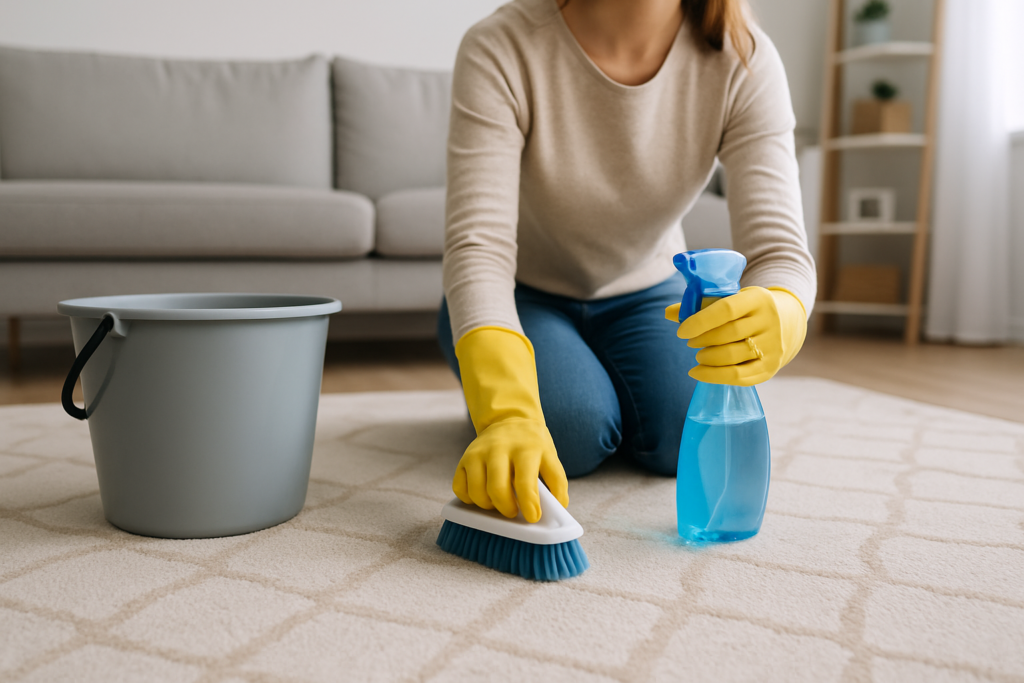
For spot cleaning, act quickly when spills occur. Blot (don’t rub) liquid spills with a clean cloth, working from the outside of the stain toward the center. Mix a solution of one part white vinegar to three parts water for most stains. Test this solution on a hidden corner first to ensure it won’t damage the fibers or colors.
For grease stains, sprinkle cornstarch or baking soda on the area and let it sit for 15 minutes before vacuuming. This method works particularly well on wool and natural fiber rugs that can’t handle harsh chemicals.
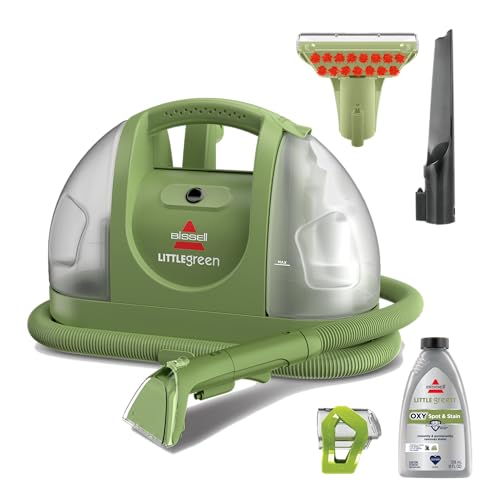
Bissell Little Green Pro Portable Carpet Cleaner
Perfect for spot cleaning and small area rugs with powerful suction and easy portability
Method 2: Steam Cleaning for Deep Sanitization
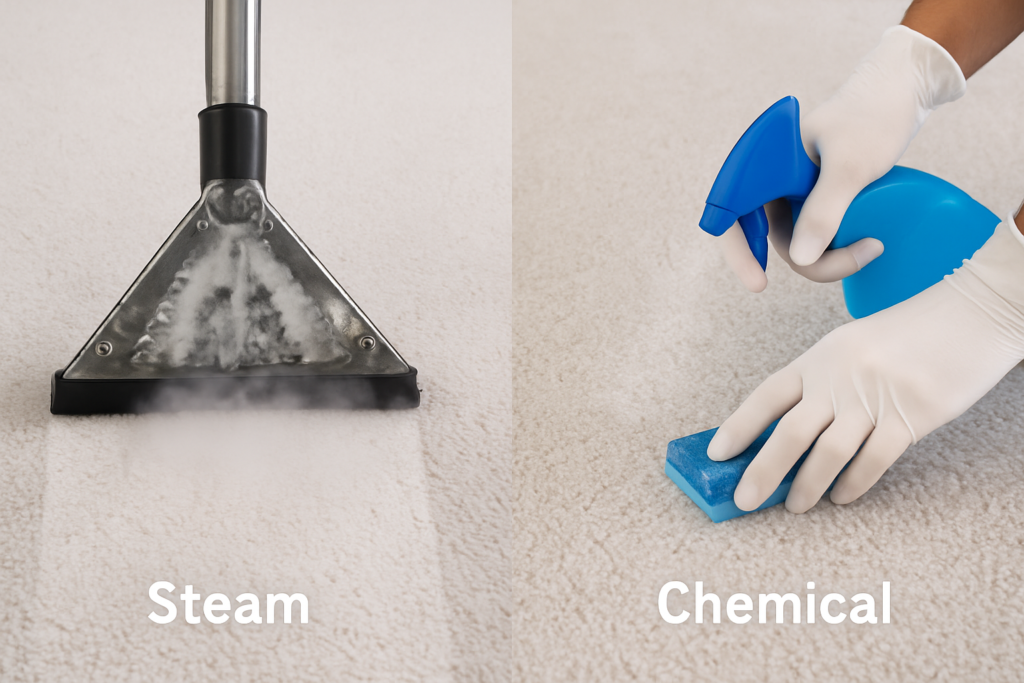
Steam cleaning works exceptionally well for synthetic rugs and some wool blends. The high temperature kills bacteria, dust mites, and other allergens while loosening embedded dirt. Rent or purchase a carpet steam cleaner with upholstery attachments for best results.
Fill the machine with hot water and a carpet cleaning solution designed for your rug type. Work in small sections, making slow passes to allow the steam to penetrate the fibers. Avoid over-wetting, which can damage backing materials or cause mold growth.
After steam cleaning, ensure proper ventilation and use fans to accelerate drying. Wool rugs should dry within 6-8 hours, while synthetic materials may take 12-24 hours depending on thickness and humidity levels.
Method 3: Dry Powder Cleaning for Delicate Rugs
Delicate rugs like silk, antique pieces, or rugs with natural dyes benefit from dry cleaning methods. Commercial dry carpet cleaning powders contain cleaning agents that absorb dirt and odors without moisture.
Sprinkle the powder evenly across the rug surface and work it into the fibers using a soft brush. Let the powder sit for the recommended time (usually 30 minutes to 2 hours) before vacuuming thoroughly. You may need multiple vacuum passes to remove all residue.
Alternatively, make your own dry cleaning solution by mixing equal parts baking soda and cornstarch with a few drops of essential oil for fragrance. This homemade version works well for routine maintenance but may not tackle heavy stains.
Capture Carpet Dry Cleaner Powder
Excellent for delicate rugs and quick cleaning without water damage risks
Method 4: Full Wash for Small, Durable Rugs
Small rugs under 4×6 feet made from cotton, synthetic materials, or washable wool can often go in your washing machine. Check the care label first and test colorfastness by dampening a hidden corner with water.
Use cold water and a gentle cycle with mild detergent. Avoid fabric softeners, which can leave residues that attract dirt. For extra cleaning power, add half a cup of white vinegar to the rinse cycle.
Air dry these rugs flat on a clean surface, flipping them every few hours to ensure even drying. Never put area rugs in the dryer, as the heat can shrink fibers and damage backing materials.
Method 5: Professional-Grade Foam Cleaning
Foam cleaning offers a middle ground between wet and dry methods. Carpet cleaning foam penetrates fibers without over-wetting the rug, making it suitable for most rug types including wool and natural fibers.
Apply the foam according to package directions, typically covering the entire rug surface. Work the foam into the fibers with a soft brush, paying attention to stained areas. Allow the foam to dry completely (usually 2-4 hours) before vacuuming away the residue.
This method works particularly well for rugs that can’t be moved easily or those with attached padding. The foam lifts dirt to the surface where it can be vacuumed away, leaving fibers clean and refreshed.
Woolite Advanced Pet Stain & Odor Remover + Sanitize
Foam formula that’s safe for most rug types and eliminates pet odors effectively
Tackling Common Stains
Different stains require specific approaches for complete removal. For red wine or juice stains, blot excess liquid immediately then apply a mixture of dish soap and hydrogen peroxide. Let it sit for 10 minutes before blotting with clean water.
Pet urine requires enzymatic cleaners to break down odor-causing compounds. Clean visible moisture first, then apply the enzymatic solution and let it air dry completely. Multiple treatments may be necessary for old or set-in odors.
Mud and dirt stains should be allowed to dry completely before treatment. Vacuum away dried particles, then treat remaining stains with a mixture of liquid laundry detergent and warm water.
Proper Drying Techniques
Proper drying prevents mold, mildew, and backing separation. Always dry rugs in a well-ventilated area away from direct sunlight, which can fade colors. Use multiple fans to circulate air around and under the rug.
For faster drying, place clean towels under the rug and change them as they become damp. Flip the rug every few hours to ensure both sides dry evenly. Thick rugs may take 24-48 hours to dry completely.
Check for dampness by pressing your hand firmly against the rug surface. Any moisture or cool spots indicate continued drying is needed. Never place furniture on a rug until it’s completely dry to prevent staining and indentations.
When to Call Professionals
Some situations require professional expertise. Antique rugs, valuable Persian or Oriental pieces, and rugs with silk fibers should generally be cleaned by specialists who understand proper techniques for delicate materials.
Large rugs over 8×10 feet are difficult to clean effectively at home due to space and drying constraints. Professional equipment can handle these sizes more efficiently and ensure complete dirt removal.
Severe damage like color bleeding, fiber damage, or extensive pet contamination often requires professional restoration services. Attempting DIY repairs on valuable rugs can cause irreversible damage and reduce their value significantly.
Hoover PowerDash Pet Compact Carpet Cleaner
Compact size makes it perfect for area rugs while still delivering professional-level cleaning power
Maintenance Tips for Longer Rug Life
Regular rotation prevents uneven wear patterns in high-traffic areas. Rotate your rugs 180 degrees every few months to distribute foot traffic across the entire surface.
Use rug pads under area rugs to prevent slipping and reduce wear. Quality pads also improve air circulation, which helps prevent moisture buildup and extends rug life.
Address spills and stains immediately. The longer stains sit, the more they penetrate fibers and become permanent. Keep a basic cleaning kit nearby with white cloths, mild detergent, and white vinegar for quick response.
Frequently Asked Questions
How often should I deep clean my area rugs?
Deep clean high-traffic area rugs every 12-18 months, or more frequently if you have pets or allergies. Low-traffic rugs may only need deep cleaning every 2-3 years. Regular vacuuming and immediate stain treatment can extend these intervals.
Can I use bleach on my area rug?
Never use chlorine bleach on area rugs, as it can damage fibers and cause color loss. For whitening or disinfecting, use oxygen bleach (color-safe bleach) on white or colorfast rugs only. Always test in an inconspicuous area first.
What’s the best way to remove pet odors from rugs?
Use enzymatic cleaners specifically designed for pet odors. These break down the proteins that cause lingering smells. Clean visible contamination first, apply the enzymatic cleaner, and allow it to air dry completely. Multiple treatments may be necessary for old stains.
How do I know if my rug is colorfast before cleaning?
Test colorfastness by dampening a white cloth with your cleaning solution and pressing it against a hidden corner of the rug. Wait 10 minutes, then check if any color transferred to the cloth. If you see color transfer, use only dry cleaning methods or consult a professional.
This article contains affiliate links. We may earn a small commission at no extra cost to you.