
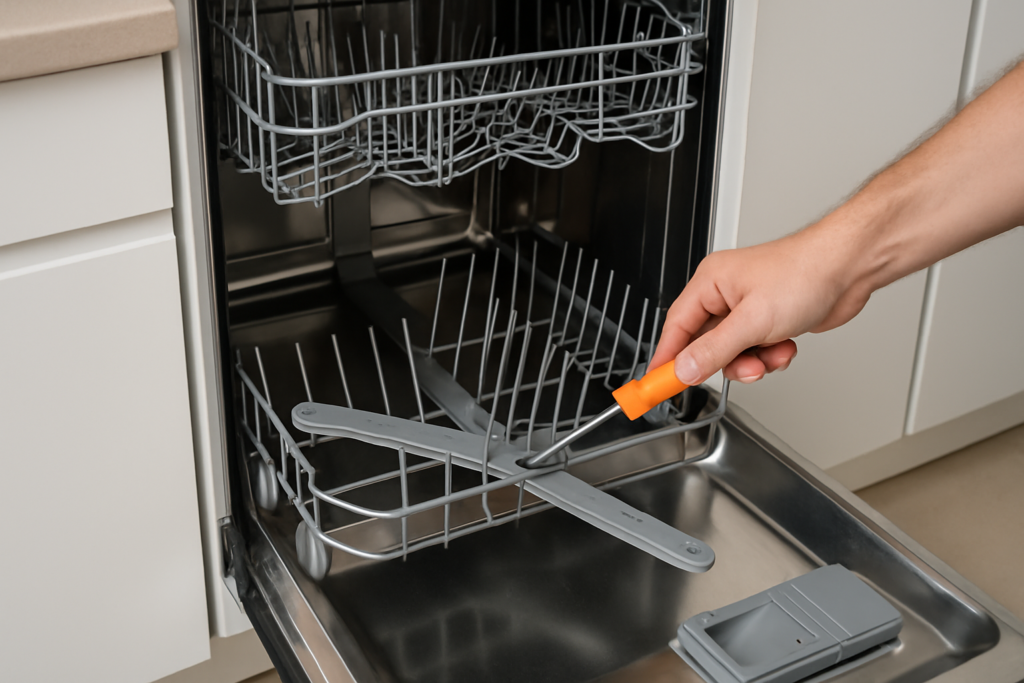
Few things are more frustrating than unloading your dishwasher only to find spots, grime, or food particles still clinging to your supposedly clean dishes. Or worse, you open the door to find a pool of dirty water sitting in the bottom.
Dishwasher problems don’t always require expensive service calls or replacement units. Many common issues stem from simple maintenance oversights or minor component failures that you can address yourself with basic tools and a little know-how.
Understanding what causes these problems and how to fix them will save you money and keep your dishwasher running efficiently for years to come. Let’s walk through the most frequent dishwasher issues and the practical solutions you can implement today.
Poor Cleaning Performance
When your dishwasher leaves dishes dirty or spotted, the problem usually lies in one of several areas. Water temperature, detergent quality, loading technique, and filter condition all play crucial roles in cleaning effectiveness.
Check Your Water Temperature
Your water heater should deliver water at 120°F to your dishwasher for optimal cleaning. Water that’s too cool won’t activate detergent properly or dissolve grease effectively. Run hot water at your kitchen sink until it reaches maximum temperature before starting a wash cycle.
You can test water temperature with a instant-read thermometer placed in a glass of water from the tap. If your water isn’t hot enough, adjust your water heater thermostat or call a plumber to inspect the system.
Clean the Filter System
Most modern dishwashers have cylindrical filters at the bottom of the tub that trap food particles. When these filters become clogged, water can’t circulate properly, leading to poor cleaning and unpleasant odors.
Remove the bottom dish rack and locate the filter assembly, usually positioned beneath the lower spray arm. Unscrew the upper filter (it typically twists counterclockwise) and lift out the entire assembly. Rinse both pieces under hot water and scrub gently with a soft brush to remove debris.
Dishwasher Filter Cleaning Brush Set
These specialized brushes make filter cleaning much more effective than regular scrubbers
Inspect the filter for damage like cracks or bent mesh. A damaged filter won’t trap particles effectively and should be replaced. Clean your filter monthly for best results, or weekly if you frequently wash heavily soiled items.
Evaluate Your Loading Technique
Overcrowding prevents water and detergent from reaching all surfaces. Face soiled surfaces toward spray arms and avoid nesting utensils together. Large items shouldn’t block spray arms from rotating freely.
Pre-rinse only when dishes will sit for extended periods before washing. Modern detergents actually work better with some soil present, as enzymes need organic matter to activate properly.
Drainage Issues
Standing water in your dishwasher bottom indicates a drainage problem. This issue can stem from clogs in multiple locations throughout the drainage system.
Clear the Garbage Disposal
Many dishwashers drain through the garbage disposal. A clogged disposal will prevent proper dishwasher drainage. Run your disposal with cold water for 30 seconds before starting any dishwasher cycle.
Check that the disposal’s knockout plug was removed during dishwasher installation. This small plastic disc blocks the connection between the dishwasher drain hose and disposal if not removed during installation.
Inspect Spray Arms
Clogged spray arm holes reduce water pressure and affect both cleaning and drainage. Remove spray arms by lifting out or unscrewing them, depending on your model. Hold each arm up to a light source to check for blockages in the holes.
Use a toothpick or thin wire to clear individual holes, then rinse thoroughly under running water. Calcium buildup may require soaking in white vinegar for several hours before cleaning.
Dishwasher Spray Arm Replacement
When cleaning doesn’t restore proper water flow, replacement spray arms are often the best solution
Check the Drain Hose
The drain hose connects your dishwasher to either the garbage disposal or directly to the drain pipe under your sink. Kinks, clogs, or improper installation can cause drainage problems.
Disconnect power to the dishwasher and carefully pull the unit forward to access the drain hose connection. Look for visible kinks or damage. The hose should have a high loop or be connected to an air gap to prevent backflow from the sink drain.
Unusual Noises
Dishwashers make various sounds during normal operation, but grinding, squealing, or loud banging indicates potential problems that need attention.
Grinding Sounds
A grinding noise often means something hard has fallen into the wash pump or garbage disposal (if connected). Common culprits include fruit pits, bones, or broken glass or dishware.
Turn off power to the dishwasher and remove the bottom rack. Check the area around the drain and filter for foreign objects. Remove any debris you find and run a test cycle to see if the noise persists.
Persistent grinding after removing debris may indicate pump damage requiring professional repair or replacement.
Squealing or Screeching
High-pitched noises typically come from worn pump motor bearings or wash pump seals. These components wear out over time, especially in hard water areas where mineral deposits accelerate wear.
While you can’t repair these components yourself, regular maintenance with dishwasher cleaner can extend their life by removing mineral deposits.
Rattling or Banging
Loose items bouncing around during the wash cycle create rattling sounds. Ensure all dishes are secure and spray arms can rotate freely without hitting dishes or utensils.
Persistent rattling from the dishwasher itself may indicate loose mounting brackets or worn wash pump components.
Preventive Maintenance Tips
Regular maintenance prevents most dishwasher problems and extends the appliance’s lifespan. Simple monthly tasks can keep your dishwasher running efficiently.
Monthly Deep Cleaning
Run an empty cycle with dishwasher cleaner or two cups of white vinegar placed in a dishwasher-safe bowl on the top rack. This removes mineral deposits, soap scum, and food residues that accumulate over time.
Affresh Dishwasher Cleaner
This cleaner effectively removes buildup and odors without damaging dishwasher components
Follow the vinegar cycle with a sprinkle of baking soda on the bottom of the tub and run a short hot cycle. This combination neutralizes odors and removes stubborn stains.
Inspect Door Seals
Check rubber door seals for food debris, mold, or damage. Clean seals with a damp cloth and mild detergent. Damaged seals should be replaced to prevent leaks.
Pay special attention to the bottom door seal where debris commonly accumulates. A old toothbrush works well for cleaning grooves and crevices.
Monitor Water Softener Salt
Homes with hard water should maintain their water softener system properly. Check salt levels monthly and clean the brine tank annually. Soft water prevents mineral deposits that cause many dishwasher problems.
Even with a water softener, use rinse aid to improve drying and prevent water spots. Adjust the rinse aid dispenser setting based on your water hardness level.
When to Call a Professional
Some dishwasher problems require professional expertise or specialized tools. Electrical issues, major component failures, and problems requiring disassembly of the wash pump should be handled by qualified technicians.
Call for service when you encounter persistent drainage problems after clearing obvious blockages, electrical issues like blown fuses or tripped breakers, water leaks from the unit itself, or unusual noises that continue after basic troubleshooting.
Dishwasher Installation Kit
Having the right connections and fittings makes professional installation smoother and more reliable
Door latch problems, control panel malfunctions, and heating element failures also typically require professional diagnosis and repair.
Cost-Effective Solutions
Before replacing a malfunctioning dishwasher, consider the repair costs versus replacement value. Units over 10 years old with major component failures may be better candidates for replacement than expensive repairs.
However, many common problems cost very little to fix yourself. Replacement filters, spray arms, and basic maintenance supplies represent minimal investment compared to service calls or new appliances.
Keep basic replacement parts on hand for quick fixes. Dishwasher maintenance kits often include filters, cleaning supplies, and basic tools needed for routine maintenance.
Frequently Asked Questions
How often should I clean my dishwasher filter?
Clean your dishwasher filter monthly under normal use conditions. Households that frequently wash heavily soiled items or have hard water should clean filters every two weeks. Regular cleaning prevents clogs and maintains optimal cleaning performance.
Why does my dishwasher leave white spots on dishes?
White spots typically result from hard water mineral deposits or too much rinse aid. Adjust your rinse aid dispenser to a lower setting and ensure you’re using the correct amount of detergent. Consider installing a water softener system for severe hard water problems.
Can I use regular dish soap in my dishwasher?
Never use regular dish soap in your dishwasher. It creates excessive suds that can damage the wash pump and flood your kitchen. Only use detergents specifically formulated for automatic dishwashers, which produce controlled suds levels.
What should I do if my dishwasher won’t start?
First check that the door is fully latched and the control lock isn’t engaged. Verify power at the circuit breaker and ensure the dishwasher is plugged in securely. If these basics check out, the door latch, control panel, or internal wiring may need professional attention.
This article contains affiliate links. We may earn a small commission at no extra cost to you.