
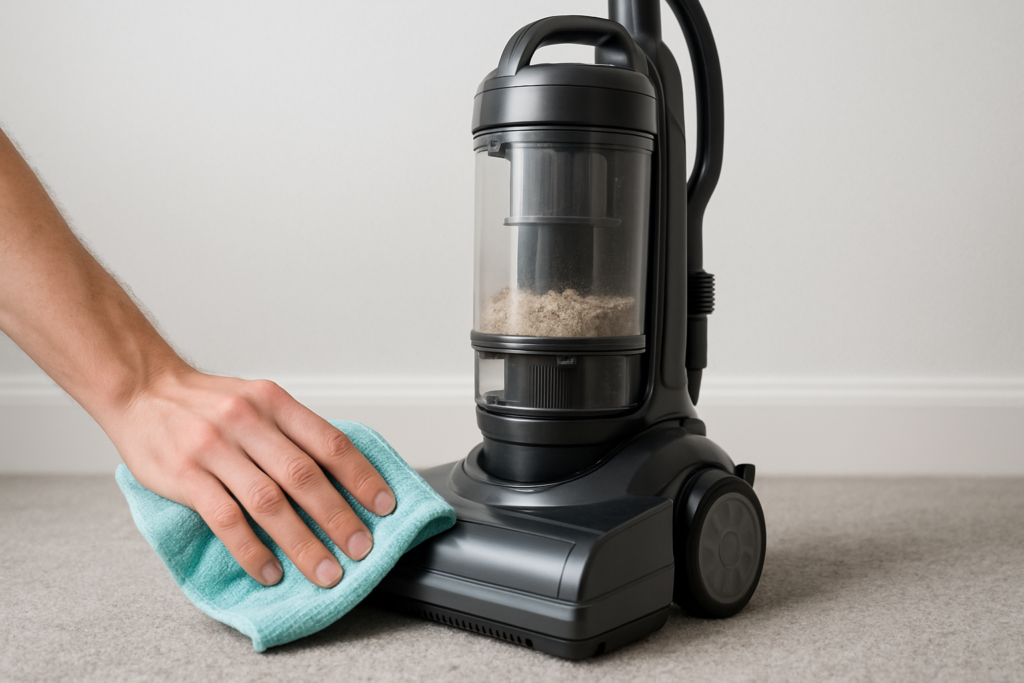
Your vacuum cleaner works hard every day, sucking up pet hair, dust, and debris from every corner of your home. But when was the last time you showed it some love in return? Most people use their vacuum until it stops working, then wonder why it only lasted two years instead of the promised ten.
Regular maintenance can transform your vacuum from a struggling, wheezing machine into a powerful cleaning beast that lasts for years. We’re talking about simple tasks that take just minutes but can double or triple your vacuum’s lifespan. Plus, a well-maintained vacuum actually cleans better, saving you time and effort on every cleaning session.
Let’s break down exactly what you need to do and when to do it. Your vacuum will thank you, and so will your wallet.
The Essential Maintenance Schedule
Different vacuum components need attention at different intervals. Here’s your complete maintenance calendar that works for any vacuum type:
After Every Use (1 minute)
Empty the dust bin or check if the bag needs replacing. This single habit prevents 90% of vacuum problems. When containers get too full, suction drops dramatically and motors work harder than they should.
For bagless models, dump the canister when it reaches the maximum fill line. Don’t wait until it’s completely packed. For bagged vacuums, replace the bag when it’s about two-thirds full, even if it looks like it could hold more.
Weekly Maintenance (5 minutes)
Check the brush roll for hair, string, and thread wrapped around it. Pet owners and households with long-haired family members need to do this religiously. Use scissors to carefully cut away any tangled debris.
Inspect the hose for obvious clogs by looking through both ends. You’d be surprised how often a sock or toy gets stuck in there, killing your suction power.
Monthly Deep Clean (15 minutes)
This is where the real magic happens. Remove and wash all washable filters according to your manual. Most HEPA filters can handle a gentle rinse with cool water, but check your specific model first.
Clean the dust canister thoroughly with warm soapy water. Let everything air dry completely before reassembling. Wet filters can damage your motor and create mold problems.
Quarterly Maintenance (30 minutes)
Deep clean the brush roll by removing it entirely and washing away built-up grime. Check all connections and seals for wear. Replace any cracked hoses or worn gaskets you find.
Test all attachments and clean them individually. That crevice tool probably has more dust in it than you realize.
Filter Care: Your Vacuum’s Lungs
Filters are the heart of your vacuum’s cleaning system, yet they’re the most neglected component. Different filter types need different care approaches.
HEPA Filters
True HEPA filters catch 99.97% of particles, but only when they’re clean. Most are washable, despite what some manufacturers claim. Rinse gently with cool water, tap out excess moisture, and let air dry for 24 hours minimum.
Replace HEPA filters every 12-18 months with normal use, or every 6 months if you have pets or allergies. Don’t try to stretch this timeline. A clogged HEPA filter makes your vacuum work five times harder.
Foam and Cloth Filters
These pre-filters protect your main filter from large debris. Wash them monthly in warm soapy water, rinse thoroughly, and squeeze gently. Never wring or twist them, as this can damage the filter material.
Keep a spare set so you can rotate them while others dry. Replacement filter sets for most major brands cost under competitively priced and last for years.
Brush Roll Maintenance: Keep It Spinning
Your brush roll does the heavy lifting when it comes to carpet cleaning. Hair, thread, and debris gradually wrap around it, reducing effectiveness and potentially burning out the motor.
Weekly Cleaning
Turn your vacuum over and examine the brush roll. Use scissors to cut away any wrapped material, working from one end to the other. Some newer models have brush rolls designed to resist tangling, but they still need regular attention.
Check that the brush spins freely when you turn it by hand. Any resistance means something is wound too tightly around the bearings.
Deep Cleaning Process
Monthly deep cleaning involves removing the entire brush roll assembly. Most models have clips or screws that release the brush housing. Consult your manual for the exact process.
Wash the brush roll with warm soapy water, using an old toothbrush to scrub away embedded dirt. Pay special attention to the bristles and the areas where hair typically wraps. Dry completely before reinstalling.
Bag and Canister Best Practices
Whether you prefer bags or bagless, proper container management directly impacts your vacuum’s performance and longevity.
Bagged Systems
Replace bags when they’re 60-70% full, not when they’re bursting at the seams. Overstuffed bags reduce airflow and force your motor to work overtime. This single mistake shortens vacuum life more than any other factor.
Buy genuine bags when possible. Generic bags often have different pore sizes that can let dust recirculate or restrict airflow. The few dollars you save isn’t worth risking your motor.
Bagless Canisters
Empty the canister after every cleaning session or when it reaches the maximum fill line. Wash the canister weekly with warm soapy water to prevent odor buildup and maintain proper airflow.
Check the cyclone assembly monthly for cracks or damage. These precision-engineered components create the airflow patterns that separate dirt from air. Even small cracks can dramatically reduce performance.
Troubleshooting Common Issues
Most vacuum problems are maintenance-related and easily fixed at home. Here are the most common issues and their solutions:
Loss of Suction
Start with the obvious culprits: full bag or canister, clogged filters, or blocked hose. Check each component systematically. Remove the hose and test suction at the motor housing. If it’s strong there, the problem is downstream.
Use a flashlight to inspect the entire hose length. A straightened coat hanger can help dislodge stubborn clogs, but be gentle to avoid puncturing the hose.
Strange Noises
Grinding or rattling usually means something is caught in the brush roll or fan assembly. Turn off the vacuum immediately and investigate. Continuing to run it can cause expensive damage.
High-pitched whining often indicates a clog that’s making the motor work too hard. Clear any blockages and check that all filters are properly seated.
Brush Roll Not Spinning
Check the drive belt first. Most models have a removable cover that lets you inspect the belt easily. Look for cracks, stretching, or complete breaks. Replacement belts cost just a few dollars and take minutes to install.
Hair wrapped around the brush roll can also prevent spinning. Even a small amount of tangled material can stop the brush completely.
Brand-Specific Maintenance Tips
Different manufacturers have unique design quirks that require specific attention.
Dyson Vacuums
Dyson’s cyclone technology is brilliant but requires clean filters to work properly. Wash the filters monthly and replace them every 12 months. The company’s website has model-specific filter washing instructions.
Check the clear bin regularly for cracks, especially around the release mechanism. Cracked bins lose suction and can’t be repaired effectively.
Shark Models
Shark vacuums often have multiple filters throughout the airflow path. Map out where each filter goes before disassembly. Taking a photo helps during reassembly.
The lift-away feature creates additional seal points that can leak over time. Check these connections quarterly and replace worn seals promptly.
Bissell and Hoover
These brands typically use more traditional designs with replaceable bags and standard filters. Focus on belt maintenance, as these models put more stress on drive belts than cyclonic designs.
Check belt tension monthly. A loose belt will slip and eventually break, while an overtight belt can damage bearings.
When to Replace Parts vs. Buy New
Sometimes repair costs approach the price of a new vacuum. Here’s how to make the right decision:
Replace individual parts when they cost less than 30% of a new vacuum’s price. This includes filters, belts, brush rolls, and most attachments. Motor repairs typically aren’t worth it unless you have a high-end model.
Consider the vacuum’s age too. A three-year-old vacuum deserves new parts. A ten-year-old model might be ready for retirement, especially if multiple components need attention.
Quality replacement parts are available for most major brands and can extend your vacuum’s life significantly when installed properly.
FAQ Section
How often should I replace my vacuum’s HEPA filter?
Replace HEPA filters every 12-18 months with normal use, or every 6-9 months if you have pets or severe allergies. Washable HEPA filters can extend this timeline, but they still need eventual replacement as the filter material breaks down over time.
Why does my bagless vacuum lose suction so quickly?
Bagless vacuums lose suction when filters get clogged with fine dust particles. This happens faster than most people expect. Clean pre-filters weekly and main filters monthly. Also, empty the canister before it gets completely full, as packed dirt reduces airflow significantly.
Can I use generic replacement parts instead of brand-name parts?
Generic parts work fine for basic components like belts and simple filters. However, invest in genuine parts for critical components like HEPA filters and motor assemblies. The quality difference is usually worth the extra cost, and warranty coverage often requires genuine parts.
What’s the most important maintenance task for extending vacuum life?
Emptying the bag or canister before it gets too full is the single most important maintenance task. Overstuffed containers force the motor to work much harder, leading to premature failure. This simple habit can double your vacuum’s lifespan with virtually no effort.
This article contains affiliate links. We may earn a small commission at no extra cost to you.