Picture this: It’s 9 PM on a Sunday, and your kitchen sink decides to stage a rebellion. Water’s backing up, and you’re staring at a growing puddle on your floor. Your first instinct might be to call a plumber, but here’s the reality check. Basic plumbing emergencies don’t always require professional intervention, especially when you have the right tools on hand.
Most homeowners feel helpless when faced with plumbing issues, but you don’t need a truck full of expensive equipment to handle common problems. With just five essential tools, all available for well under competitively priced total, you can tackle everything from stubborn clogs to leaky pipes. These aren’t just emergency stopgaps either. They’re legitimate solutions that can save you hundreds in service calls.
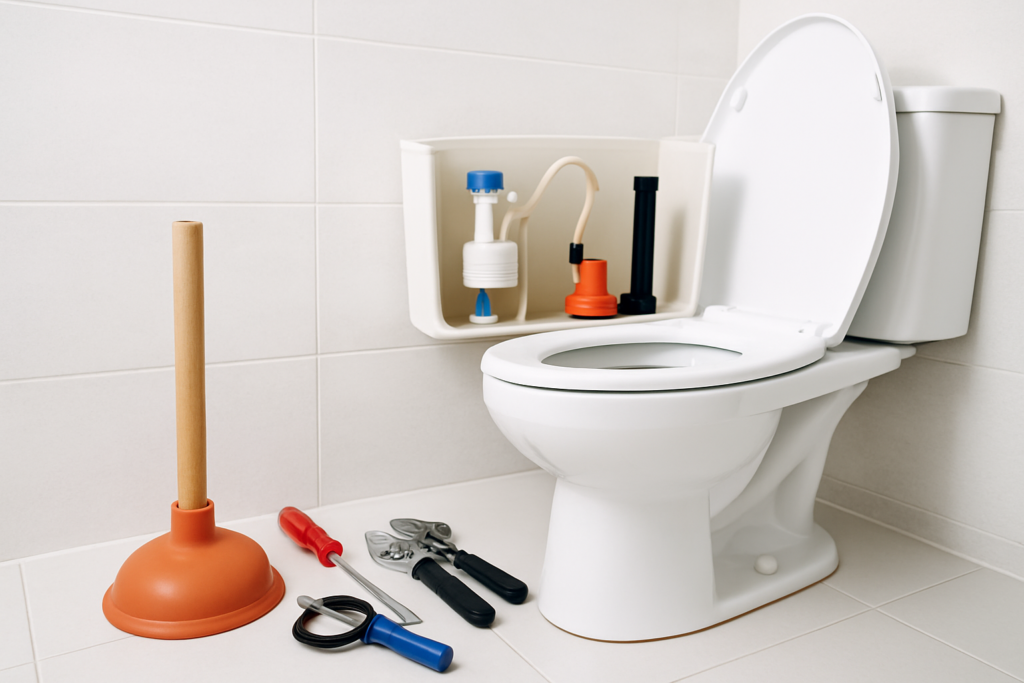
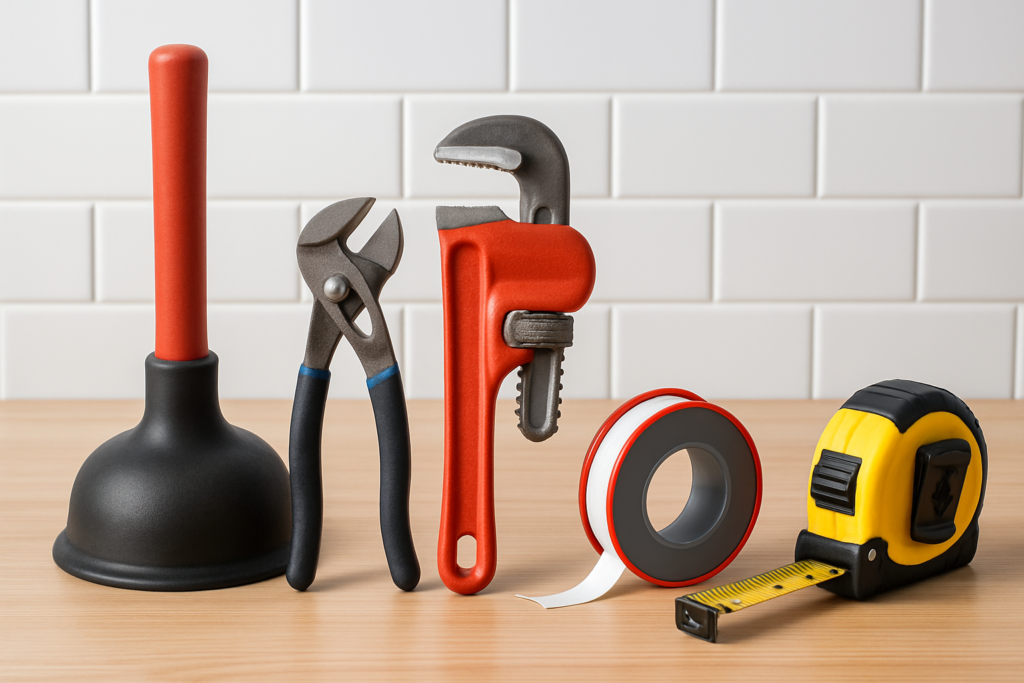
Let’s break down the must-have plumbing tools that belong in every homeowner’s toolkit. Each one serves multiple purposes, and together they’ll give you the confidence to handle most plumbing hiccups yourself.
1. Cup Plunger: Your First Line of Defense
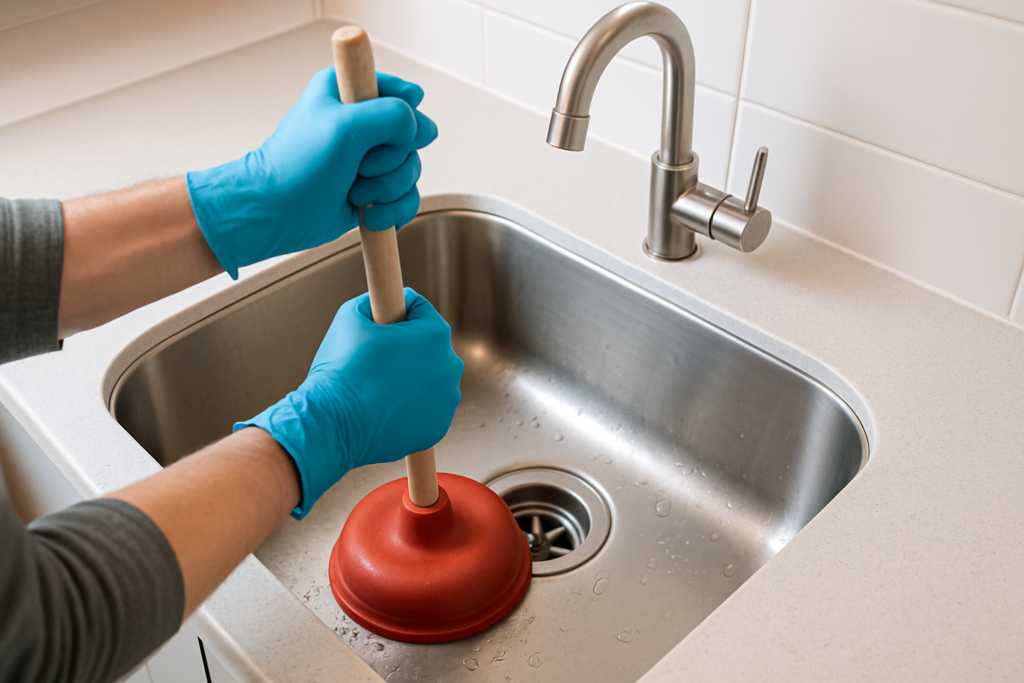
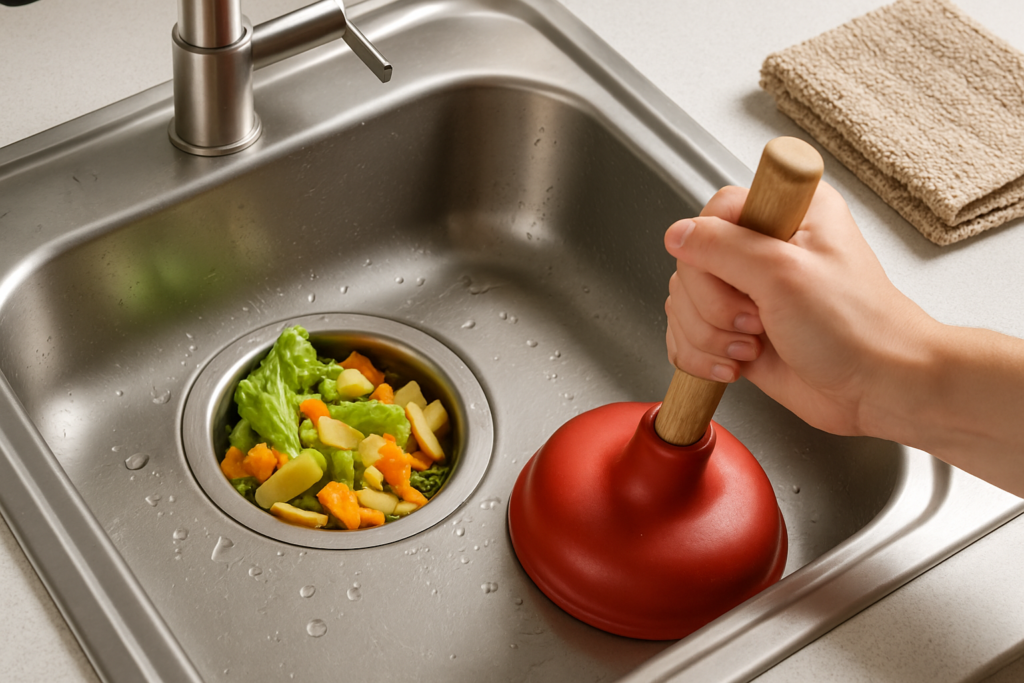
Every home needs a quality plunger, but not all plungers are created equal. The standard cup plunger works best for sinks, tubs, and shower drains. Its flat bottom creates the seal you need to generate proper suction and pressure.
When shopping for a plunger, look for one with a sturdy wooden handle and a flexible rubber cup. Avoid the flimsy plastic versions that bend under pressure. A good plunger should feel substantial in your hands and maintain its shape even when you’re putting serious force behind it.
Korky 99-4A Max Performance Plunger
Features a unique design that works on both toilets and sinks with excellent suction power
The technique matters as much as the tool itself. Create a tight seal around the drain, then use quick, forceful pumps rather than gentle pushes. The goal is to create alternating pressure that breaks up the blockage. For kitchen sinks, remove any standing water first to improve the seal.
Beyond basic clogs, a plunger can help with slow-draining sinks and minor toilet backups. Keep it clean and store it in an easily accessible spot. You’ll reach for it more often than you think.
2. Adjustable Wrench: The Universal Problem Solver
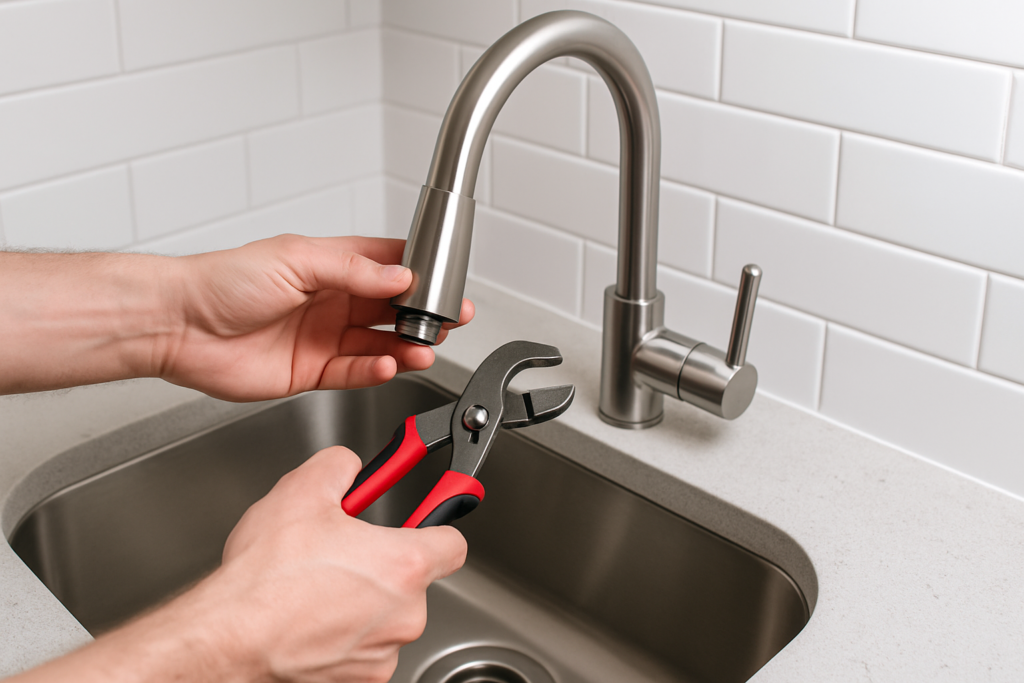
An adjustable wrench is like the Swiss Army knife of plumbing tools. This single tool can tighten or loosen virtually any plumbing connection in your home, from faucet nuts to pipe fittings.
Size matters here. A 10-inch adjustable wrench hits the sweet spot between versatility and manageability. It’s large enough to grip most plumbing nuts securely but not so big that you can’t work in tight spaces under sinks or behind toilets.
Quality makes a huge difference with adjustable wrenches. Cheap ones have jaws that slip under pressure or adjustment mechanisms that stick. Look for wrenches with smooth operation and jaws that stay parallel when tightened. The extra cost pays for itself in reliability and safety.
You’ll use this tool for replacing faucet aerators, tightening loose pipe connections, removing old showerheads, and installing new fixtures. It’s also essential for shutting off water supply lines during repairs. Master the proper grip technique: position your pulling force on the fixed jaw, not the adjustable one, to prevent slipping.
CRAFTSMAN Adjustable Wrench, 10-inch
Offers excellent grip and durability with a comfortable handle for extended use
3. Pipe Wrench: For Heavy-Duty Pipe Work
While an adjustable wrench handles most tasks, some jobs require the gripping power of a dedicated pipe wrench. These tools have serrated jaws designed to bite into pipe surfaces for maximum grip, making them perfect for stubborn connections.
A 12-inch pipe wrench covers most residential applications. It provides enough leverage for tough jobs while remaining manageable for average users. The key feature to look for is smooth jaw adjustment and strong springs that keep the jaws properly positioned.
Pipe wrenches excel at removing old galvanized pipes, tightening threaded connections, and working with larger diameter pipes that challenge adjustable wrenches. They’re particularly useful for water heater connections and main water line work.
Remember that pipe wrenches are designed to grip and turn pipes, not delicate fixtures. The serrated jaws will scratch chrome and other finishes, so use them only on actual pipes or fittings where appearance doesn’t matter. Always wear safety glasses when applying significant force with a pipe wrench.
4. Drain Snake: When Plungers Meet Their Match
Some clogs laugh at plungers. Hair-clogged bathroom sinks, grease-blocked kitchen drains, and mysterious shower blockages often require mechanical removal rather than pressure. That’s where a drain snake becomes invaluable.
For homeowner use, a 25-foot manual drain snake handles most residential drain lines. Look for one with a comfortable handle and a flexible cable that won’t kink under pressure. Some models include interchangeable heads for different types of blockages.
The technique takes a bit of practice. Feed the snake slowly into the drain, turning the handle clockwise as you go. When you hit resistance, don’t force it. Instead, work the snake back and forth while continuing to turn. This helps the tip navigate bends and grab onto blockages.
RIDGID PowerSpin Plus Drain Cleaner
Professional-grade construction with an easy-grip handle and durable cable system
Hair clogs are particularly satisfying to remove with a snake. You’ll often pull up impressive tangles that explain exactly why your drain was running slowly. For grease clogs, the snake breaks up the blockage so water can flush it through.
Clean your snake thoroughly after each use and store it properly to prevent rust. A rusty snake can scratch pipes and become difficult to feed through tight spots.
5. Plumber’s Tape: The Simple Fix for Complex Problems
Plumber’s tape, also known as Teflon tape or thread seal tape, might look insignificant, but it prevents more leaks than any other single product. This thin white tape wraps around pipe threads to create watertight seals.
Not all plumber’s tape is the same. Standard white tape works for most water connections, but yellow tape is designed for gas lines, and pink tape is specifically for water lines. Stick with white tape for general household use, but buy quality tape that won’t tear easily during application.
The application technique is crucial for effectiveness. Always wrap clockwise when looking at the threads head-on. This ensures the tape tightens as you screw on the fitting rather than bunching up. Use two to three wraps for most applications, overlapping each wrap by about half the tape width.
You’ll use plumber’s tape when installing new showerheads, replacing faucet aerators, connecting washing machine hoses, and any time you’re threading pipe connections. It’s also perfect for stopping minor leaks at threaded joints. Simply remove the connection, clean the threads, apply fresh tape, and reassemble.
Keep several rolls on hand. They’re inexpensive, don’t go bad, and always seem to disappear when you need them most. Store them in a dry place to prevent the adhesive from becoming gummy.
Building Your Plumbing Toolkit on a Budget
You don’t need to buy everything at once. Start with a quality plunger and adjustable wrench, as these handle the majority of common issues. Add the other tools as budget allows or when specific needs arise.
Consider buying from established tool brands when possible. The price difference between quality tools and cheap alternatives is often minimal, but the performance gap is substantial. Good tools also last longer, making them more economical over time.
Store your plumbing tools together in an easily accessible location. A simple toolbox or dedicated shelf in your garage or utility room works well. Include a small flashlight and some rags in your kit for working in dark, cramped spaces.
Safety Considerations and Best Practices
Always turn off water supply lines before starting any plumbing work. Most fixtures have individual shut-off valves, but know the location of your main water shut-off as well. This simple step prevents flooding and water damage.
Wear safety glasses when using pipe wrenches or working overhead. Rust, debris, and unexpected spray can cause eye injuries. Keep a first aid kit nearby, especially when working with sharp tools or in cramped conditions.
Know your limits. These tools handle many common problems, but major leaks, sewer line issues, and gas line work require professional attention. Don’t hesitate to call a licensed plumber for complex repairs or when safety is a concern.
When to Call a Professional
Your new toolkit will handle most routine maintenance and minor repairs, but some situations require professional expertise. Call a plumber for any work involving gas lines, major pipe replacement, or sewer line problems.
If you’re uncomfortable with a repair or lack confidence in your ability to complete it safely, hiring a professional is the smart choice. The money you save on smaller repairs gives you budget for professional help when it’s truly needed.
Water heater problems beyond simple connection tightening also warrant professional attention. These systems involve both water and either gas or high-voltage electricity, creating potential safety hazards for inexperienced workers.
Frequently Asked Questions
How much should I expect to spend on these five essential plumbing tools?
A complete set of quality versions of these five tools typically costs between competitively priced-90 total. You can often find deals or buy them individually over time to spread the cost. The investment pays for itself quickly by avoiding just one or two service calls.
Can I use these tools on all types of plumbing systems?
These tools work with most residential plumbing systems, including copper, PVC, and PEX piping. However, be extra careful with older galvanized pipes, which can be brittle. Some very old homes have unique systems that might require specialized tools.
How do I know when a plumbing problem is beyond my skill level?
Call a professional for any problem involving gas lines, major leaks that you can’t quickly isolate, sewer backups, or situations where you’re not confident in your ability to complete the repair safely. Trust your instincts. If something feels too complex or risky, it probably is.
Should I buy a complete plumbing kit instead of individual tools?
Individual tools often offer better quality for the same price, and you can choose exactly what you need. Many complete kits include unnecessary items or compromise on quality to hit a price point. Build your kit thoughtfully with tools you’ll actually use.
This article contains affiliate links. We may earn a small commission at no extra cost to you.